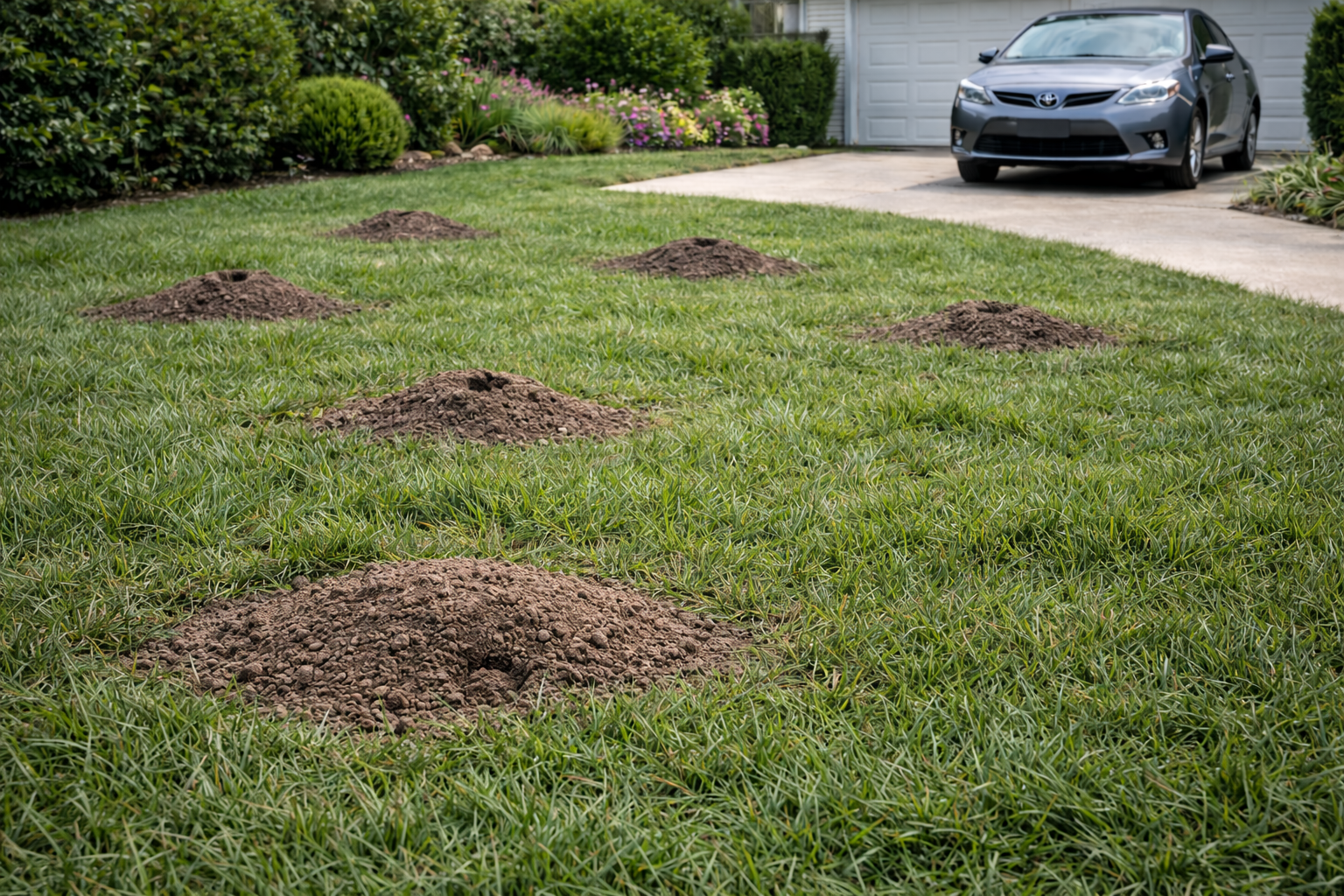
Gopher Activity in Alhambra, CA
Gophers have established a persistent presence throughout Alhambra, a densely populated city in the San Gabriel Valley that straddles the boundary between Los Angeles and San Gabriel. The combination of residential gardens, institutional landscaping, and agricultural remnants across Alhambra creates ideal conditions for pocket gopher populations to thrive year-round. Property owners and landscapers throughout the city regularly encounter evidence of gopher activity, particularly in maintained yards and irrigated green spaces.
Why Alhambra Has Significant Gopher Activity
Several interconnected environmental and geographical factors explain the prevalence of gophers in Alhambra. The city sits in the San Gabriel Valley, an alluvial plain where soil composition provides excellent conditions for burrowing. Alhambra's soil consists primarily of fine sandy loam and silt loam derived from sediment deposited by the San Gabriel River system, creating substrate that is neither too compact nor too loose for tunnel construction. These soil types allow gophers to excavate extensive burrow networks with minimal energy expenditure.
Alhambra's Mediterranean climate—characterized by mild, wet winters and hot, dry summers—influences gopher activity patterns. The city receives approximately 15 to 17 inches of annual precipitation, with most rainfall occurring between November and March. This seasonal moisture cycle softens the soil during winter months, making excavation easier. Additionally, the city's extensive irrigation infrastructure maintains soil moisture throughout the dry summer season, effectively extending the period during which gophers can tunnel and forage comfortably.
The landscape itself supports gopher populations. Residential properties throughout central Alhambra feature established gardens, fruit trees, and ornamental plantings that provide year-round food sources. Larger parcels near the periphery, including areas toward the foothills and remnants of agricultural operations, connect to broader populations in less developed regions. This mosaic of gardens, parks, and semi-wild areas creates corridors for gopher movement and recolonization.
Common Gopher Species in Alhambra
The Botta's pocket gopher (Thomomys bottae) represents the primary gopher species throughout Alhambra and the greater San Gabriel Valley region. Named after naturalist Paolo Botta, this species is native to California and has adapted extensively to human-modified landscapes. Botta's pocket gophers are medium-sized rodents, typically measuring 5 to 7 inches in body length with an additional 1 to 2 inches of tail. They possess compact, muscular bodies adapted for underground locomotion, with powerful front limbs and elongated claws specifically designed for soil excavation.
The species displays adaptable coloration ranging from light tan to dark brown, often matching local soil tones. This cryptic coloration serves a protective function when gophers emerge above ground, though they spend the vast majority of their time in underground burrow systems. Pocket gophers derive their common name from fur-lined cheek pouches, which they use to transport food and nesting materials through their tunnels. These pouches are internal and distinct from the external pouches of kangaroo rats.
Botta's pocket gophers in Alhambra construct burrow systems extending 200 to 600 feet in total length across an individual gopher's territory. The burrows typically descend 6 to 18 inches below the surface, though deeper chambers may extend 3 to 4 feet down. Solitary by nature, adult gophers fiercely defend their territories against other individuals. A single gopher may occupy and maintain a burrow system spanning a quarter-acre or more, depending on soil quality and food availability. The abundance of irrigated vegetation across Alhambra supports relatively high gopher densities in many neighborhoods.
When Gopher Activity Peaks in Alhambra
Gopher activity in Alhambra follows distinct seasonal patterns linked to breeding cycles and environmental conditions. The primary breeding season occurs from January through March, coinciding with Alhambra's rainy season. During this period, males expand their territories and activity levels increase as they search for mates. Females, stimulated by lengthening day length and hormonal changes, become receptive and signal their presence to males through raised mound activity and scent marking within tunnel systems. This breeding season generates noticeably elevated surface activity, with fresh mounds appearing frequently in residential yards and parks.
Spring rains—typically arriving in February and March—provide secondary stimulus for gopher activity. Increased soil moisture softens the earth and promotes rapid growth of tender vegetation that gophers preferentially consume. Many property owners observe peak mounding activity during March and April as gophers take advantage of optimal digging conditions and abundant food resources. Summer months, despite their aridity, maintain consistent gopher activity in Alhambra due to widespread irrigation systems. Watered gardens and landscaping sustain gopher populations throughout the dry season, preventing the population declines that occur in non-irrigated regions.
Activity levels decline somewhat during late summer and fall, though gophers continue tunneling and foraging throughout these seasons. Fall months involve gophers accumulating food stores in underground chambers, preparing for leaner winter months. Young gophers, born in spring litters, reach juvenile size by mid-summer and begin establishing their own territories by late summer and early fall, creating secondary peaks in movement and burrow construction. Winter months in Alhambra rarely freeze, allowing continued activity, though wet soil conditions may occasionally limit tunneling. Understanding these patterns helps property owners anticipate when gopher populations will be most noticeable on their properties.
Signs of Gopher Damage in Alhambra Yards
Gopher presence on Alhambra properties manifests through several distinctive signs that alert residents to active populations. The most visible indicator is the characteristic mound—a horseshoe or fan-shaped mound of excavated soil deposited at the surface when gophers clear soil from main burrows. These mounds typically measure 4 to 6 inches in height and 10 to 18 inches in diameter. Gophers in Alhambra's sandy loam soils produce particularly dark mounds as the excavated subsoil differs in color from surface layers. Fresh mounds contain crumbly, recently moved soil; older mounds become compacted and weathered.
Burrow entrances, distinct from mounding activity, appear as slightly raised or irregular openings in the soil, sometimes covered with loose dirt. Gophers regularly open and close tunnel entrances, making them intermittently visible. Experienced observers can distinguish gopher burrows from other rodent holes by their size (typically three-quarter to one-inch diameter) and location patterns. Gophers do not typically cluster burrow entrances; instead, they space them along active tunnel systems.
Underground damage often exceeds visible surface signs. Gopher tunnels beneath Alhambra's extensive irrigation systems frequently sever drip lines, micro-spray emitters, and feeder tubes. This damage causes water loss, uneven irrigation, and reduced plant vigor. Root damage manifests when gophers gnaw on roots and bulbs of planted vegetation. Ornamental plants, vegetables, and fruit trees across Alhambra show feeding damage characterized by bark stripping at root level and mysterious plant decline without above-ground pest evidence. Soft-rooted plants—including carrots, potatoes, bulbs, and young seedlings—demonstrate particular vulnerability to gopher predation.
Landscape Considerations for Alhambra Properties
Alhambra's landscape character reflects a century of urban development overlaying agricultural heritage. The city features a diversity of property types: densely packed residential neighborhoods with small lot sizes, institutional grounds including schools and parks, and commercial properties with varying landscape intensities. Neighborhoods such as those near Valley Boulevard and Fremont Avenue display predominantly hardscape-heavy designs with minimal vegetation, while areas toward the foothills and residential districts like those near Garfield Avenue feature more extensive gardens. This variation influences gopher pressure across the city—properties with abundant soft landscaping and irrigation experience greater gopher activity than those emphasizing hardscape and drought-tolerant design.
Plant selection significantly impacts gopher vulnerability. Alhambra's traditional Mediterranean-climate landscape palette includes many gopher-attractive species. Fruit trees—including apricot, peach, cherry, and avocado—established throughout older residential neighborhoods provide preferred food sources. Vegetable gardens, common in Alhambra's diverse neighborhoods, offer seasonal abundance of tender roots and shoots. Root vegetables including carrots, parsnips, and potatoes face heavy predation pressure. Ornamental bulbs planted in fall—particularly tulips, lilies, and crocus—attract gopher feeding during winter and spring months. Herbaceous perennials with soft, succulent roots suffer visible damage when gophers tunnel through garden beds.
Properties emphasizing hardscape, drought-tolerant shrubs, and minimal irrigation experience reduced gopher pressure. Established trees with deep root systems and mature shrubs with woody roots are less vulnerable than tender seedlings and soft-rooted perennials. Areas with solid concrete, pavers, and mulched zones rather than bare soil present physical barriers to burrowing. Strategic landscape design—grouping water-demanding plants in raised beds with solid bottoms, selecting California native species adapted to minimal irrigation, and incorporating gopher-resistant elements—reflects understanding of Alhambra's pest ecology.
For professional gopher control in Southern California, visit Rodent Guys — serving Los Angeles, Orange, San Bernardino, and Riverside counties.