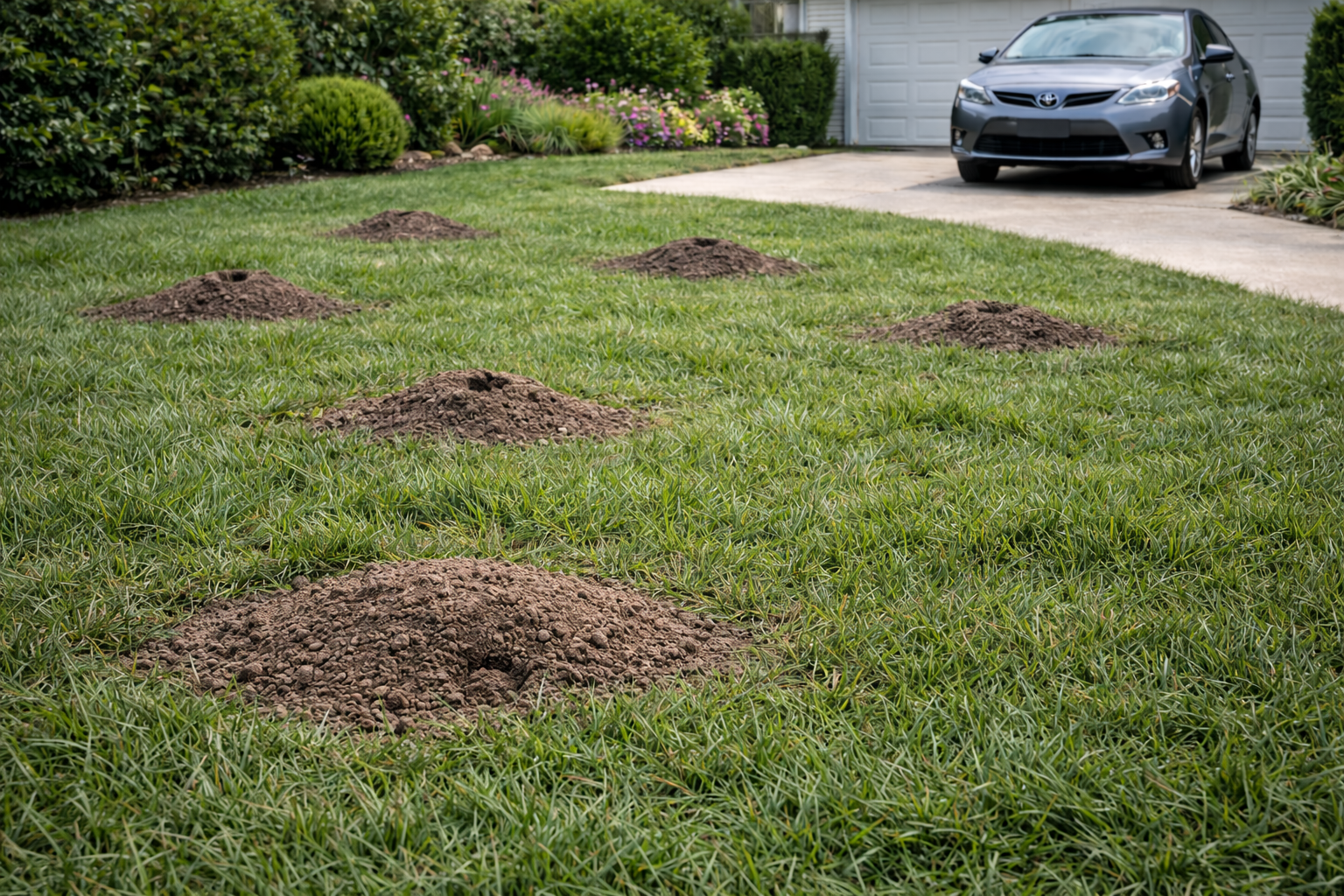
Gopher Activity in Altadena, CA

Gophers represent a persistent and widespread wildlife presence throughout Altadena, the unincorporated community nestled in the foothills north of Pasadena in Los Angeles County. The combination of favorable soil conditions, abundant irrigation infrastructure, and proximity to native chaparral habitat creates an ideal environment for gopher populations to thrive year-round. Property owners in Altadena regularly encounter evidence of gopher activity, from distinctive mounding patterns in lawns to damage affecting both ornamental and edible plantings.

Why Altadena Has Significant Gopher Activity

Altadena's geography and environmental characteristics make it particularly suitable for gopher populations. The community sits at elevations ranging from approximately 1,000 to 2,500 feet above sea level, with terrain that transitions from developed residential areas into the San Gabriel Mountains. The underlying soil composition consists primarily of decomposed granite and silty loam, which are relatively easy to excavate and ideal for the extensive burrow systems that gophers maintain.

The region receives moderate rainfall concentrated in winter months, typically between 15 and 20 inches annually. However, the widespread use of irrigation systems in residential landscapes—including sprinkler systems, drip irrigation for native plants, and water features—maintains soil moisture levels throughout the year. This consistent moisture availability encourages gopher activity during seasons when unirrigated areas might become too dry for burrowing.

Altadena's position adjacent to the Angeles National Forest and local chaparral preserves means that natural gopher habitat exists in close proximity to residential neighborhoods. Animals frequently move between wild and developed areas, particularly as seasonal conditions shift in the surrounding mountains. The patchwork of old-growth landscaping, native plant gardens, and agricultural remnants throughout Altadena provides diverse food sources that sustain robust gopher populations across multiple neighborhoods including Altadena proper, the Crest communities, and areas near Lake Avenue.

Common Gopher Species in Altadena

The Botta's pocket gopher (Thomomys bottae) represents the primary gopher species found throughout Altadena and the greater San Gabriel Valley region. This species derives its common name from the external fur-lined cheek pouches that gophers use to transport food and nesting materials through their burrow systems. Adult Botta's pocket gophers typically weigh between 2 and 4 ounces and measure approximately 5 to 7 inches in body length, with relatively short tails compared to their overall body size.

Botta's pocket gophers display coloration ranging from dark brown to grayish-brown, with fur that appears relatively coarse compared to other burrowing rodents. Their forefeet feature disproportionately large claws adapted for soil excavation, and their eyes are quite small—a characteristic associated with their predominantly subterranean lifestyle. These gophers possess ever-growing incisors similar to other rodents, which they continuously wear down through gnawing on soil, roots, and plant material.

In Altadena specifically, Botta's pocket gophers inhabit areas ranging from manicured suburban yards to partially improved landscapes and the edges of native chaparral. Their burrow systems typically extend several feet deep and branch horizontally, creating the characteristic mounding patterns visible in lawns and garden beds. Individual gophers maintain relatively small home ranges, often confined to areas of one-quarter acre or less, which means that multiple individuals may occupy a single residential property.

When Gopher Activity Peaks in Altadena

Gopher activity in Altadena follows seasonal patterns influenced by breeding cycles, precipitation timing, and soil conditions. The breeding season extends from January through March, during which male gophers exhibit increased movement as they search for mates. This period coincides with elevated soil moisture from winter rainfall, making ground conditions optimal for tunneling and burrow expansion. Residents frequently observe the highest concentration of fresh mounds during late winter and early spring months.

As spring precipitation diminishes and soil conditions dry somewhat during late April and May, gopher activity remains elevated due to the availability of fresh vegetation growth stimulated by winter rains. Summer months present a secondary activity period, particularly in mid-July through August, as supplemental irrigation keeps soil workable and young plants provide tender food sources. Fall months typically see reduced surface activity as soil becomes drier, though gophers continue tunneling at depths where moisture persists.

The timing of irrigation cycles in Altadena neighborhoods directly influences gopher behavior throughout the year. Properties receiving consistent water maintain gopher populations during naturally dry periods. Conversely, yards left unwatered during extended dry seasons may experience temporary population reductions as gophers move toward irrigated areas. Understanding these seasonal patterns helps property owners recognize when they are most likely to observe new mounding activity or increased plant damage attributable to gopher foraging.

Signs of Gopher Damage in Altadena Yards

The most obvious indication of gopher presence in Altadena landscapes consists of the characteristic mounds created as gophers excavate soil from their burrow systems. These mounds typically measure 4 to 12 inches in diameter and 3 to 6 inches in height, appearing as roughly conical piles of loose, fine-textured soil scattered across lawns and garden beds. Unlike mole mounds, which are often more elongated and contain a visible tunnel running through the center, gopher mounds are typically domed with an off-center tunnel opening that becomes apparent upon close inspection.

Beyond mounding, gophers cause damage to subsurface irrigation systems that have become increasingly common in Altadena. Drip irrigation lines, buried PVC pipes, and emitter systems frequently sustain punctures or complete severance from gopher tunneling, resulting in water leaks and system failures. Property owners may notice areas of unexpectedly green grass adjacent to irrigation damage, or conversely, sections of landscape that wilt despite active irrigation systems.

Gophers also damage plants by consuming roots, bulbs, and underground portions of stems. Vegetable gardens, fruit trees, and ornamental plantings throughout Altadena neighborhoods suffer crop losses and plant death when gophers feed on roots system from below. Severed roots on plants that suddenly wilt and decline provide strong evidence of gopher activity, as do empty seed holes in vegetable beds where seeds or transplants have been removed from beneath the soil surface.

Landscape Considerations for Altadena Properties

Altadena landscapes reflect diverse design philosophies ranging from water-intensive lawns and ornamental gardens typical of mid-century development to contemporary native plant gardens emphasizing drought tolerance. Many properties feature combinations of mature oaks, native shrubs from the adjacent chaparral ecosystem, citrus trees from historical agricultural uses, and introduced ornamentals including camellias, azaleas, and roses. This landscaping diversity creates varied food sources and microclimates that support sustained gopher populations across different property types.

Certain plants commonly used in Altadena landscaping prove particularly vulnerable to gopher damage. Root vegetables including carrots, beets, and turnips face complete consumption in vegetable gardens. Bulbs such as tulips, daffodils, and lilies sustain predation when planted in garden beds accessible to gopher tunneling. Young citrus trees, fruit trees, and shrubs with exposed root zones near the soil surface may suffer significant damage from gopher feeding. Conversely, deeply-rooted mature trees, established shrubs with protected root systems, and certain ornamentals such as lantana show greater resistance to gopher predation.

The presence of hardscape features including patios, pathways, and ground-level structures can influence gopher distribution within Altadena properties. Areas of continuous lawn and cultivated garden beds attract higher concentrations of gopher activity, while properties featuring extensive pavers, rock mulches, or structural barriers experience reduced burrowing. Strategic landscape planning that incorporates hardscape elements, deep mulching, and resistant plantings can help reduce the attractiveness of properties to foraging gophers, though established populations within surrounding yards may continue to pose ongoing challenges.