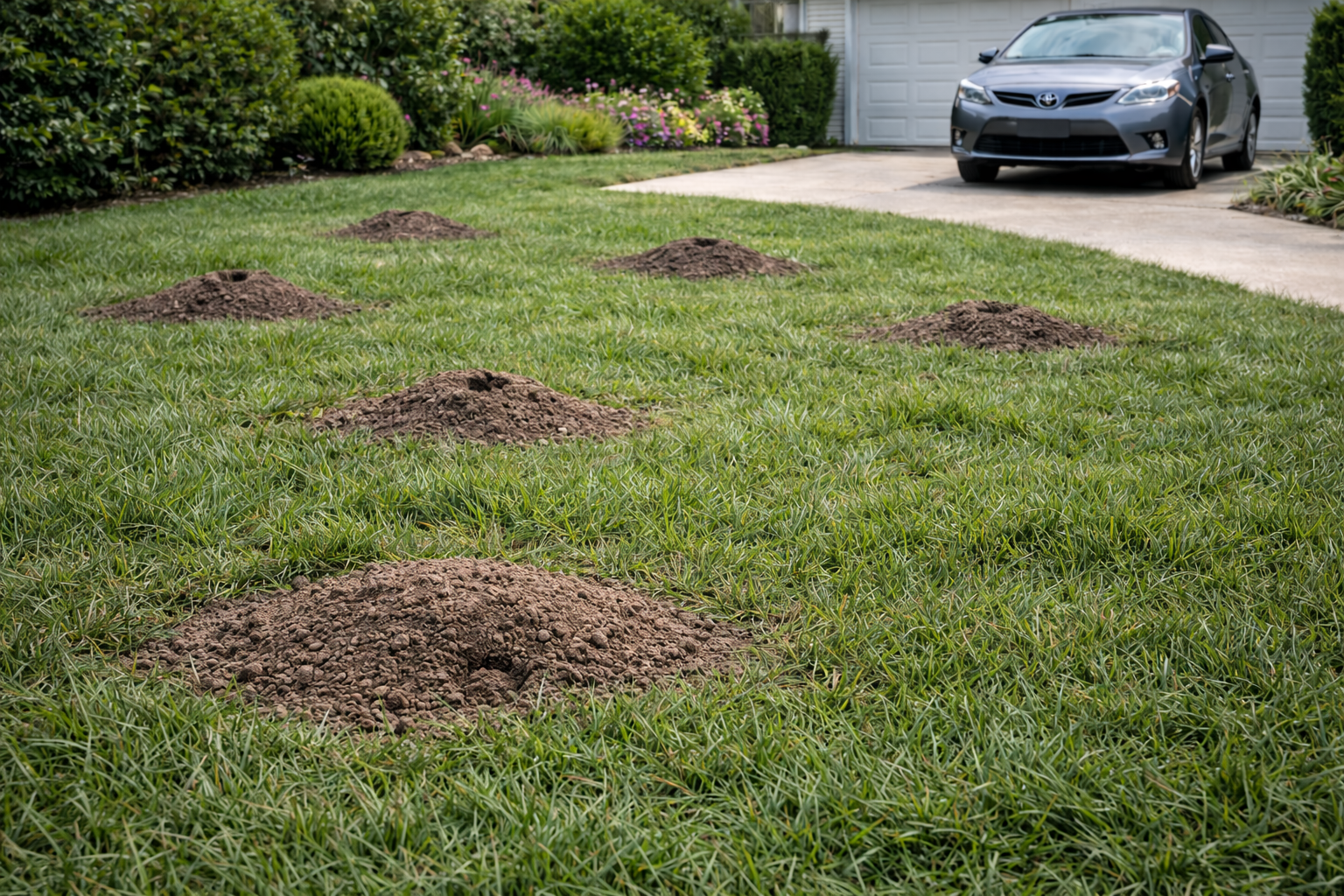
Gopher Activity in Anaheim, CA
Gophers are a persistent presence throughout Anaheim, California, where suburban neighborhoods, commercial landscaping, and proximity to natural habitat create ideal conditions for these burrowing rodents. Property owners across the city—from the areas near Disneyland to the residential zones in West Anaheim and the Platinum Triangle—regularly encounter evidence of gopher activity in lawns, gardens, and landscaped grounds. Understanding gopher behavior and seasonal patterns specific to Anaheim's environment helps residents recognize problems early and take appropriate measures.
Why Anaheim Has Significant Gopher Activity
Anaheim's geography and environmental conditions make it particularly hospitable to gopher populations. The city's soils consist primarily of fine sandy loams and clay loams typical of Orange County's coastal plain, which are relatively easy for pocket gophers to excavate. The presence of extensive irrigation systems throughout Anaheim—used to maintain parks, golf courses, and residential landscaping in this semi-arid climate—provides the moisture that gophers require to keep soil workable year-round. These rodents depend on soil with adequate moisture content to prevent tunnel collapse, making well-watered properties especially attractive.
Anaheim's Mediterranean climate, characterized by mild winters and warm, dry summers, extends the period during which gophers can actively burrow and feed. Temperatures rarely drop below freezing, allowing gophers to remain active throughout the year rather than entering extended hibernation periods. The city's location in Orange County also places it near undeveloped areas, including portions of the Santa Ana River basin and scattered natural reserves, which serve as gopher refugia and population sources. As development gradually encroaches on these areas, gophers naturally colonize adjacent residential and commercial properties seeking suitable habitat and food sources.
Common Gopher Species in Anaheim
The Botta's pocket gopher (Thomomys bottae) is the predominant species throughout Anaheim and Orange County. This medium-sized rodent typically measures 5 to 7 inches in body length, with a short, sparsely haired tail and fur coloring that ranges from dark brown to yellowish-brown depending on local soil composition. Botta's pocket gophers possess distinctively large front teeth and powerful front claws adapted for digging, along with fur-lined cheek pouches used to transport soil and food materials. Their name derives from these external pouches, which extend from the mouth to behind the front legs.
Within Anaheim's urban and suburban landscape, Botta's pocket gophers occupy diverse microhabitats. They establish burrow systems in residential yards, beneath parks and school grounds, along irrigation ditches, and in landscaped medians throughout the city. Individual gophers maintain exclusive territories centered on their burrow networks, with males typically controlling larger areas than females. The species is solitary except during brief breeding periods, meaning that multiple separate gopher infestations across an Anaheim property likely represent different individuals rather than a single family group. Their preference for well-watered soils means that properties with established lawns, frequent irrigation, and lush ornamental plantings attract higher gopher densities than drought-stressed landscapes.
When Gopher Activity Peaks in Anaheim
Gopher activity in Anaheim follows seasonal patterns driven by breeding cycles and environmental conditions. The primary breeding season extends from January through March, during which male gophers expand their burrow networks while seeking mates. This period coincides with Anaheim's typically cooler, slightly wetter winter months, creating optimal soil conditions for tunnel construction. Property owners often notice increased mounding activity and fresh dirt emergence during this window, particularly in late February and March as males actively expand territories.
Spring rains, though modest in Anaheim's semi-arid climate, stimulate gopher activity by increasing soil moisture and promoting vegetative growth that provides food resources. When winter rainfall occurs—averaging roughly 12 inches annually for the Anaheim area—gophers respond by intensifying burrowing and foraging. Summer months bring reduced activity as soil dries and irrigation becomes essential for maintaining softscape attractiveness, yet well-maintained properties with consistent watering continue supporting active gopher populations throughout summer. Fall rains reactivate populations that may have been dormant in parched summer soils. Young gophers disperse from maternal burrows typically in late spring and early summer, creating opportunities for new infestations in nearby properties as juveniles establish independent territories. Understanding these patterns helps residents anticipate when gopher problems are most likely to develop or worsen on their Anaheim properties.
Signs of Gopher Damage in Anaheim Yards
Gopher presence in Anaheim yards manifests through several characteristic signs. Fresh mounds of loose, finely textured soil represent the most visible indicator of gopher activity. These crescent or horseshoe-shaped mounds, typically 3 to 8 inches in diameter and several inches high, appear suddenly in lawns and landscaped beds as gophers excavate tunnels and push soil to the surface. Mound location offers clues about gopher distribution; concentrations of mounds suggest active territories, while scattered isolated mounds may indicate transient animals or exploration tunneling.
Subsurface tunnel damage affects irrigation systems throughout Anaheim's properties. Gophers tunnel beneath buried drip lines, sprinkler pipes, and irrigation risers, crushing supply lines or severing connections. Property owners discover this damage indirectly through dry patches that fail to respond to increased watering, or through sudden water loss visible in utility bills. Above-ground vegetation damage includes wilting and death of ornamental plants as gophers consume roots and bulbs underground. Gophers are particularly destructive to root vegetables, woody plant roots, and prized bulbs. In landscaped areas featuring California native plants or drought-tolerant groundcovers common in Anaheim's water-conscious designs, gopher activity can rapidly degrade expensive installations. Landscape subsidence and uneven turf indicate extensive tunnel networks beneath the surface, creating safety hazards on walkways and property damage that extends beyond visible mounding.
Landscape Considerations for Anaheim Properties
Anaheim's prevalent landscape design styles influence gopher vulnerability across the city. Many properties feature traditional turf lawns maintained with regular irrigation, creating ideal gopher habitat. Ornamental planting beds with mixed shrubs, perennials, and groundcovers dominate residential yards throughout Anaheim's neighborhoods, from older single-family home areas to the newer mixed-use developments near downtown. These cultivated landscapes provide abundant root material and succulent vegetation that attracts and sustains gopher populations. Hardscape elements—concrete patios, stone walkways, gravel pathways, and decorative pavers—offer less attractive habitats for gophers since they provide neither burrowing medium nor food resources.
Certain plant species favored in Anaheim landscaping prove particularly vulnerable to gopher predation. Roses, popular throughout residential gardens and public landscapes, suffer extensive damage as gophers consume their root systems. Fruit trees and vegetable gardens attract gophers seeking the nutrient-dense underground portions of plants. Native California plants increasingly featured in drought-adapted Anaheim landscapes, including ceanothus, manzanita, and California poppy, typically establish more resilient root systems but remain susceptible to gopher damage during establishment phases. Landscape designers and property managers working in Anaheim increasingly recognize that properties with minimal supplemental irrigation, rock mulches, and shallow-rooted or gopher-resistant plantings experience substantially lower gopher pressure than intensively irrigated, richly planted traditional landscapes. The tension between maintaining attractive, irrigated properties and minimizing gopher-attractive conditions remains central to landscape management considerations throughout Anaheim.
For professional gopher control in Southern California, visit Rodent Guys — serving Los Angeles, Orange, San Bernardino, and Riverside counties.