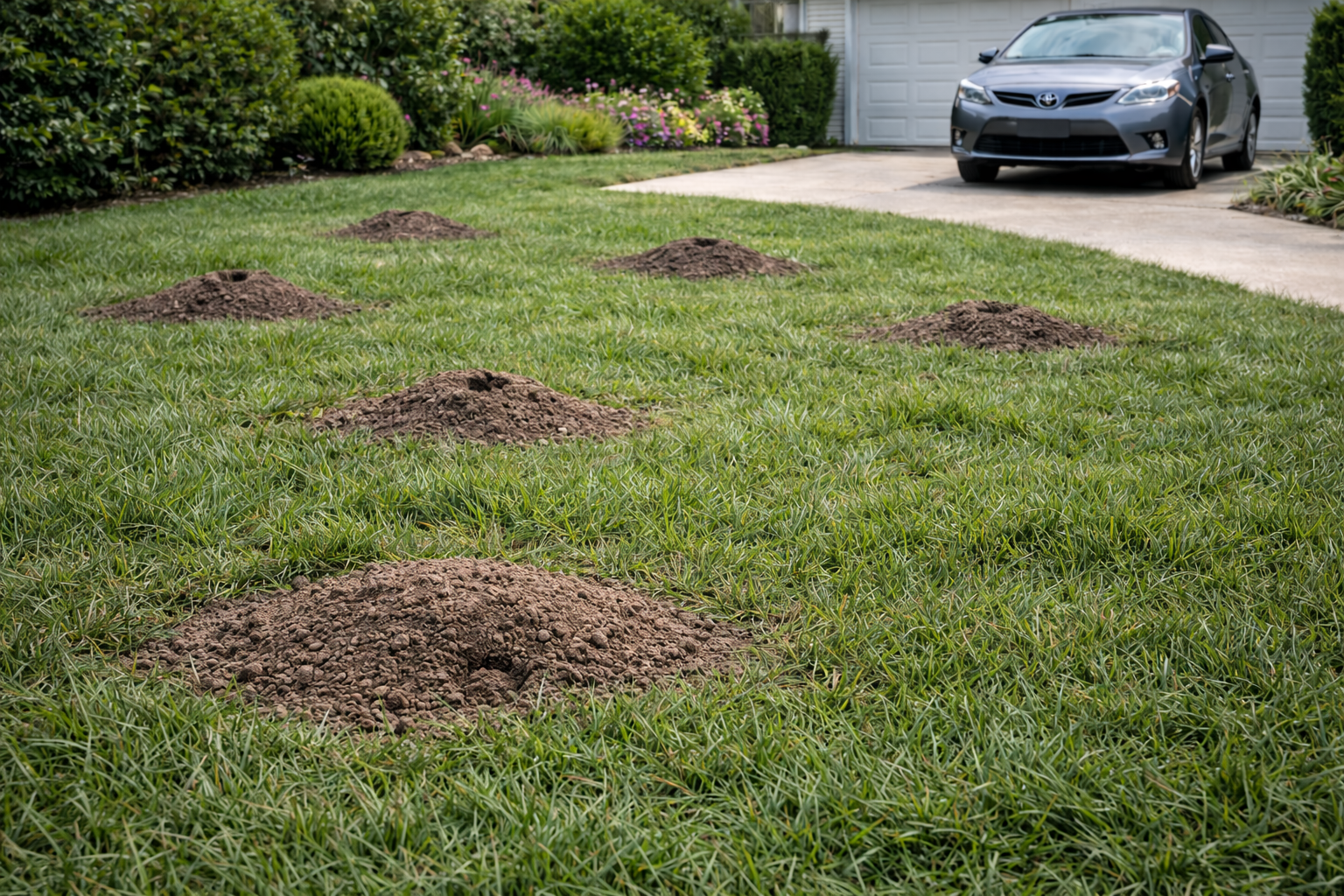
Gopher Activity in Artesia, CA

Gophers are a persistent and widespread pest throughout Artesia, a residential community in southeastern Los Angeles County situated between Long Beach and Norwalk. The combination of rich soil, extensive irrigation systems, and proximity to undeveloped areas has created an ideal habitat for pocket gophers, making them a common concern for homeowners, landscapers, and property managers across the city. Understanding gopher behavior and activity patterns specific to the Artesia area is essential for residents who wish to protect their lawns, gardens, and underground utilities.

Why Artesia Has Significant Gopher Activity

Artesia's geographic location and environmental conditions make the city particularly susceptible to gopher infestations. The area sits within the Los Angeles coastal plain, characterized by alluvial soils deposited over millennia—these soils are exceptionally soft and easy for gophers to excavate, unlike harder clay or rocky substrates found in surrounding foothills. The region's Mediterranean climate brings winter and spring rainfall that softens the soil further, making tunneling less energy-intensive for burrowing animals.

The city's extensive irrigation infrastructure compounds the problem. Artesia features predominantly single-family residential neighborhoods with well-maintained yards, many featuring lawns, ornamental plantings, and vegetable gardens that require regular watering. This consistent moisture keeps soil conditions favorable for gopher activity year-round, even during dry summers. Additionally, Artesia's proximity to the Cerritos Wetlands and larger undeveloped areas in surrounding Los Angeles County means the region maintains natural gopher populations that continually reinvade residential zones. Gophers can travel substantial distances underground, migrating from wild areas into suburban neighborhoods in search of food and suitable burrowing habitat.

Common Gopher Species in Artesia

The Botta's pocket gopher (Thomomys bottae) is the primary gopher species found throughout Artesia and the greater Los Angeles metropolitan area. This species is named for the large, fur-lined cheek pouches that extend from the animal's mouth to its shoulders—adaptations that allow gophers to transport soil and food material while tunneling. Adult Botta's pocket gophers typically measure 5 to 6 inches in body length, with an additional 1 to 1.5 inches of tail. Their fur ranges in color from dark brown to reddish-brown, with lighter coloring on the underside.

In Artesia, these gophers are solitary, territorial animals that spend nearly their entire lives underground. Each gopher maintains an individual burrow system that may extend across 500 to 1,000 square feet, depending on soil quality and available food resources. The soft alluvial soils of Artesia enable rapid tunnel expansion, meaning a single gopher can undermine substantial portions of a residential yard within weeks. Botta's pocket gophers possess powerful front legs with prominent claws specifically adapted for digging, and their eyes and ears are relatively small—sensory adaptations to their underground lifestyle. The species is distinguished from other regional rodents by its distinctive front teeth, which protrude from the mouth even when the lips are closed, allowing the animal to dig without allowing soil to enter its mouth.

When Gopher Activity Peaks in Artesia

Gopher activity in Artesia follows seasonal patterns that align with the local climate and breeding cycle. The most intense activity period occurs from January through March, when Botta's pocket gophers enter their breeding season. During this interval, males actively tunnel and expand their burrow systems while searching for females, resulting in a dramatic increase in surface mounding and visible damage. Resident homeowners frequently report noticing fresh gopher mounds for the first time during this window, as activity becomes unmistakable.

Spring rains, typically occurring between February and April in Artesia, create secondary peaks in gopher activity. Rainfall softens the soil considerably, making tunneling more efficient and triggering movement and expansion of existing burrow systems. Gophers require less energy expenditure when soil moisture is optimal, prompting them to dig more extensively. By late spring and early summer, activity levels typically decline as soil dries out and breeding season concludes, though gophers continue tunneling year-round in search of food. Fall activity increases moderately as animals prepare for winter, though winter temperatures in Artesia rarely become cold enough to force true hibernation—gophers remain somewhat active throughout the year, feeding on stored plant material and roots within their burrow systems.

Signs of Gopher Damage in Artesia Yards

Homeowners in Artesia can identify gopher presence through several distinctive signs. The most obvious indicator is the appearance of fresh mounds of loose, finely granulated soil scattered across lawns and garden areas. These mounds are created as gophers excavate tunnels and push excess soil to the surface; they typically range from 2 to 6 inches in diameter and resemble small volcanoes with a characteristic off-center exit hole. Fresh mounds are light tan or brown and contrast noticeably against established grass.

Beyond surface mounding, gophers damage underground irrigation lines, which are particularly prevalent in Artesia's landscaped residential areas. Gophers gnaw through drip irrigation tubing and PVC piping in search of water and moisture, causing leaks that waste water and reduce irrigation efficiency. Additionally, gopher tunneling creates subsurface voids that cause soil settling and uneven ground surfaces, damaging lawn aesthetics and creating tripping hazards. Plant damage is also characteristic: gophers consume roots, bulbs, and seedlings from below ground, causing plants to suddenly wilt and die without visible above-ground pests. Vegetable gardens are particularly vulnerable—young transplants may disappear entirely overnight as gophers consume both the plant and its root system from beneath the soil surface.

Landscape Considerations for Artesia Properties

Artesia's predominant landscape style consists of traditional suburban yards featuring a combination of irrigated turf, ornamental shrubs, and shade trees. Many properties include vegetable or herb gardens, fruit trees, and flowering perennials—all of which are attractive to gophers. The city's warm, frost-free winters support year-round growing of a diverse range of plants, but this extended growing season also provides extended food availability for gopher populations. Properties with water-wise landscaping and native plantings have somewhat reduced gopher vulnerability, as certain native species are less palatable than introduced ornamentals.

Particularly vulnerable plants in Artesia include young citrus trees, avocado trees, and other fruit-bearing plants commonly found in local yards. Gophers feed extensively on the roots of these valuable landscape features, often killing trees that have been planted within the past several years. Bulbous plants such as tulips, daffodils, and iris are also highly susceptible, as are root vegetables including carrots, turnips, and potatoes if grown in raised beds or in-ground gardens. Established hardscape features—patios, pathways, and decorative rock—offer some protection, as gophers avoid hard materials. Conversely, properties with extensive softscape (lawns, planting beds, and gardens) provide maximum habitat and feeding opportunities. Strategic placement of hardscape features and careful plant selection can somewhat reduce gopher impact, though complete protection is difficult without active management or exclusion measures.