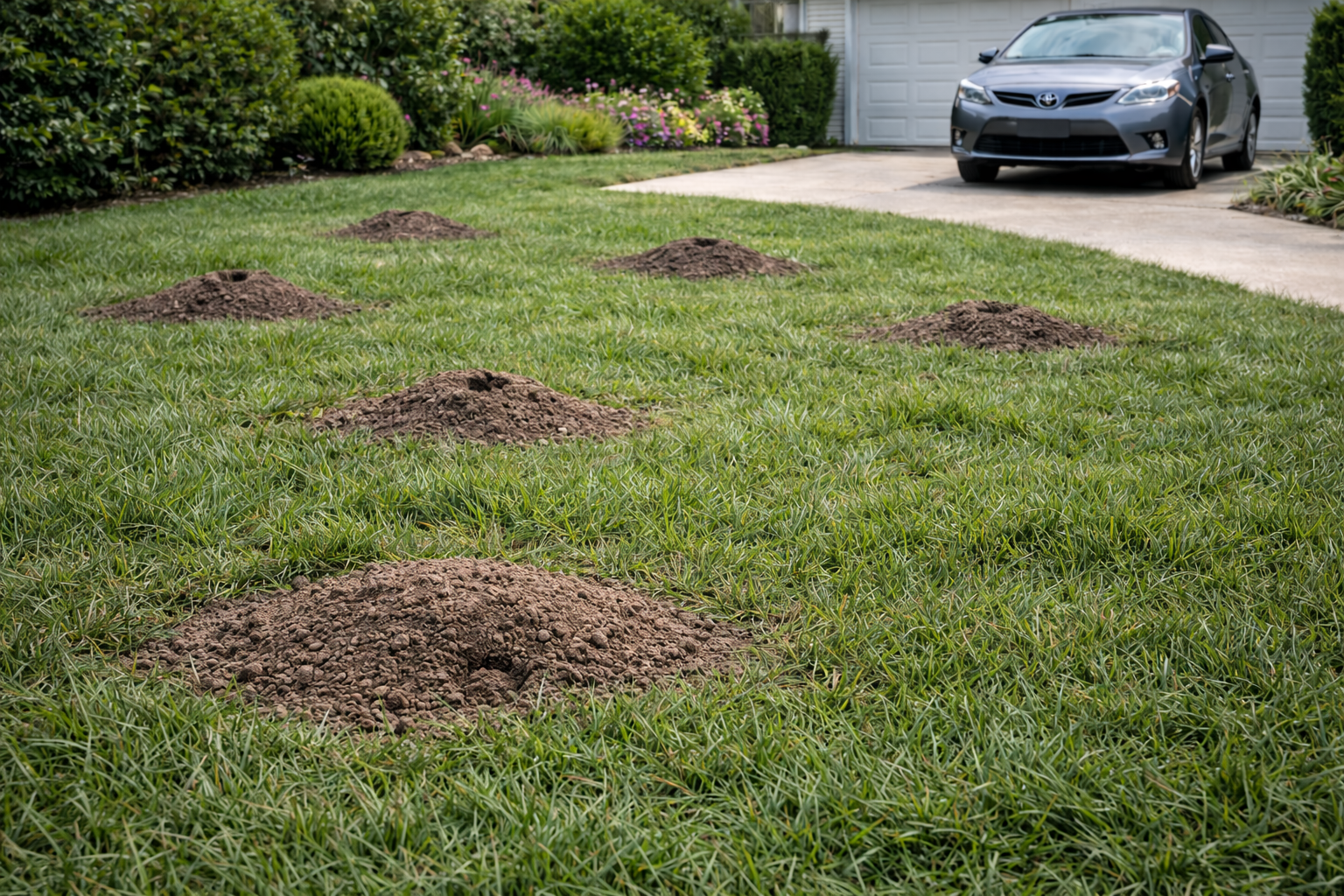
Gopher Activity in Baldwin Park, CA

Baldwin Park, located in Los Angeles County's San Gabriel Valley, experiences consistent gopher activity throughout the year, with populations concentrated in residential neighborhoods, parks, and undeveloped areas. The combination of the region's Mediterranean climate, extensive irrigation infrastructure, and soil composition creates ideal conditions for pocket gopher colonization. Understanding local gopher behavior and environmental factors helps Baldwin Park residents recognize activity early and make informed decisions about property management.

Why Baldwin Park Has Significant Gopher Activity

Baldwin Park's geography and environmental conditions make it particularly susceptible to gopher infestations. The city sits in the San Gabriel Valley floor, characterized by deep alluvial soils deposited by the San Gabriel River over millennia. These soils—typically loamy and relatively loose—are ideal for burrowing, requiring minimal compaction and allowing gophers to excavate tunnel systems with reduced energy expenditure.

The region's irrigation practices significantly contribute to gopher populations. Most residential properties and municipal green spaces in Baldwin Park rely on supplemental irrigation to maintain landscaping, creating consistently moist soil conditions near the surface. Moist soil is easier to tunnel through than dry, compacted earth, and irrigation systems provide accessible water sources that reduce gophers' need to travel extensively. Combined with the region's hot, dry summers and mild winters, year-round irrigation essentially extends the gopher breeding and activity season.

Baldwin Park's climate patterns—averaging approximately 16 inches of annual rainfall concentrated between November and March—mean that winter and early spring rains coincide with and amplify irrigation cycles. During these months, soil conditions become nearly optimal for gopher tunneling and reproduction. The proximity of Baldwin Park to foothill regions and undeveloped areas, particularly toward the San Gabriel Mountains to the north, maintains a persistent source population of gophers that can colonize residential properties over time.

Common Gopher Species in Baldwin Park

The primary gopher species found throughout Baldwin Park and the broader San Gabriel Valley is the Botta's pocket gopher (Thomomys bottae). This species is well-adapted to the region's soil types and climate patterns. Adult Botta's pocket gophers are relatively small rodents, typically measuring 5 to 6 inches in head-body length, with short, stocky builds optimized for subterranean life. Their fur color ranges from light brown to nearly black, with significant variation between individuals and even between different populations within the same region.

Key identifying features of Botta's pocket gophers include their small eyes, nearly hidden beneath fur; small, rounded ears; and prominent front teeth adapted for gnawing through soil and roots. The most distinctive feature is the pair of external cheek pouches—the "pockets" for which the species is named—that extend from the mouth to the shoulders and can hold substantial quantities of soil or plant material. These pouches are used to transport excavated soil from tunnel systems.

Botta's pocket gophers are highly adapted to Baldwin Park's specific habitat conditions. They construct extensive burrow networks with multiple chambers for nesting, food storage, and waste disposal. Unlike some gopher species that are gregarious, Botta's pocket gophers are largely solitary except during breeding season, meaning individual properties may be colonized by a single gopher or small family groups rather than large colonies. This behavior pattern has important implications for understanding activity patterns and damage distribution across Baldwin Park yards.

When Gopher Activity Peaks in Baldwin Park

Gopher activity in Baldwin Park demonstrates clear seasonal patterns driven by breeding cycles, rainfall, and soil conditions. The primary breeding season extends from January through March, coinciding with early winter rains and warming temperatures in the San Gabriel Valley. During these months, male gophers expand their tunnel networks and become more active in search of mates, increasing the visibility of new mounds and the likelihood of encountering disturbed soil.

Spring activity typically intensifies between February and April, when young gophers born during winter breeding disperse from natal burrows and seek territories. This dispersal period often results in gophers colonizing new yards and properties as young individuals search for unoccupied habitat. The combination of spring rains, growing vegetation, and soil moisture creates abundant food and ideal burrowing conditions.

Summer activity in Baldwin Park can seem to decrease during the hottest months (July through September), but this often reflects reduced surface evidence rather than reduced underground activity. Gophers retreat deeper into soil systems to access moisture and cooler temperatures during extreme heat. Fall months bring renewed activity as gophers prepare for winter by expanding food storage and burrow systems. Even winter months in Baldwin Park rarely experience freezing that would halt gopher activity entirely, so year-round presence and damage potential remain significant factors for local property owners.

Signs of Gopher Damage in Baldwin Park Yards

Identifying active gopher presence requires recognizing multiple forms of evidence. The most obvious sign is fresh mounding—the characteristic earthen mounds created when gophers excavate soil from tunnel systems. In Baldwin Park's typical loamy soils, fresh mounds appear as neat, crescent-shaped or circular piles of loose earth, often with a visible soil plug near the center where the gopher sealed the tunnel opening. Distinguishing fresh mounds from old ones is important; fresh mounds contain moist, dark soil and may show signs of recent creation, while old mounds become compressed, dried, and light-colored.

Beyond mounding, gophers damage Baldwin Park properties through multiple mechanisms. Root pruning—the cutting and consumption of plant roots—causes sudden wilting or death of established trees, shrubs, and garden plants despite adequate irrigation. Damage to irrigation systems includes tunnel creation through irrigation lines, causing leaks and reducing system efficiency. Gophers may also nest directly in landscape planting beds, creating subsurface voids that destabilize soil and cause surface settling or collapse.

Visible surface damage often appears as sunken areas in lawns, disrupted turf where tunnels run just beneath the surface, and unexplained plant decline in ornamental beds. In Baldwin Park's common front and backyard configurations, gophers frequently damage decorative landscaping in foundation plantings and median strips before becoming visible in larger lawn areas. Identifying damage early provides opportunities for addressing problems before populations expand significantly.

Landscape Considerations for Baldwin Park Properties

Baldwin Park residential properties typically feature specific landscaping patterns that influence gopher impact. Many homes include drought-resistant Mediterranean and xeric plantings—succulents, California native shrubs, and ground covers—that have become popular throughout the San Gabriel Valley. While these plants require less water than traditional turf, they often have shallow root systems that gophers readily exploit. Conversely, established trees with deep roots—common in older Baldwin Park neighborhoods—can withstand gopher root pruning better than shallow-rooted ornamentals.

Front and rear yards in Baldwin Park frequently include mixed hardscaping and softscaping. Concrete patios, raised planter beds, and pathways provide some barrier to gopher activity, though motivated gophers can tunnel beneath hardscape elements. Properties with extensive lawn areas present obvious habitat for gopher colonization and tunneling. The prevalence of irrigation systems in Baldwin Park yards—particularly drip irrigation and underground sprinkler systems common in the region—creates the moist, accessible soil conditions gophers prefer.

Understanding local plant vulnerability helps Baldwin Park residents make informed landscaping decisions. Vegetables and herbaceous plants are particularly susceptible to gopher damage, explaining the challenges local gardeners experience with in-ground vegetable beds. Native California plants like California buckwheat, desert marigold, and various sage species are present in some Baldwin Park properties and gardens, and while these plants are adapted to local conditions, they remain subject to gopher root damage. Properties with mature shade trees—coast live oaks, California sycamores, and London plane trees common in established Baldwin Park neighborhoods—face potential damage to root systems, though large trees often tolerate moderate root pruning better than smaller plants.