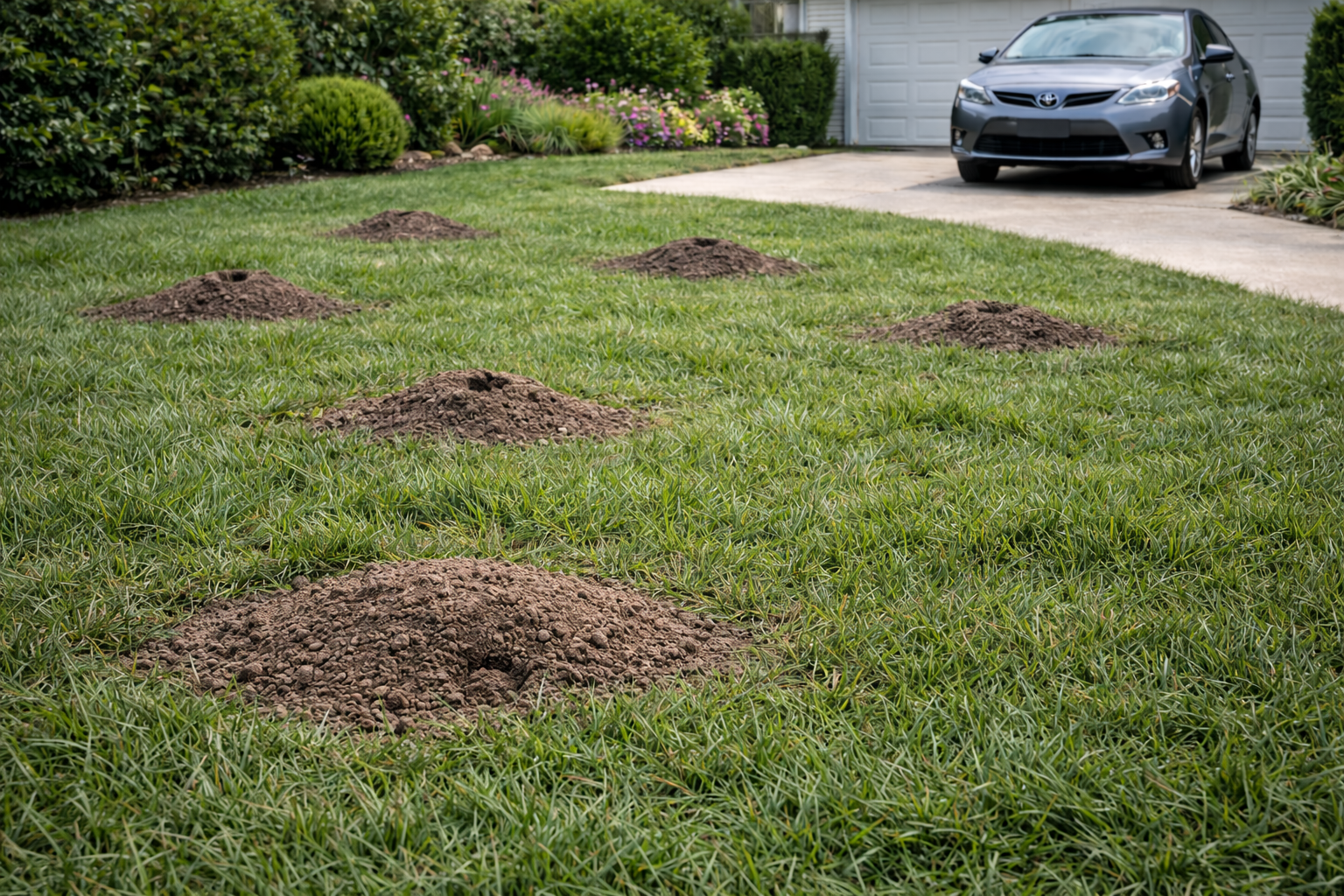
Gopher Activity in Bellflower, CA

Gopher activity represents a persistent challenge for property owners throughout Bellflower, a densely populated community in southeast Los Angeles County. The combination of favorable soil conditions, extensive residential landscaping, and proximity to undeveloped areas creates an environment where pocket gophers thrive year-round. Understanding the patterns and characteristics of gopher presence in this region helps residents identify problems early and make informed decisions about property management.

Why Bellflower Has Significant Gopher Activity

Bellflower's geography and soil composition make the area particularly susceptible to gopher colonization. The community sits within the Los Angeles Plain, characterized by alluvial soils deposited by historical water movement—exactly the type of soft, workable earth that pocket gophers prefer for burrowing. The region's clay-loam soils, common throughout Bellflower's residential neighborhoods, are neither too hard nor too sandy, providing ideal conditions for tunnel construction.

The climate reinforces gopher activity throughout the year. Bellflower experiences mild winters with average December temperatures around 57°F and hot, dry summers reaching into the low 80s. This extended growing season means vegetation remains available to gophers for longer periods than in colder regions. The area receives approximately 14 inches of annual rainfall, concentrated primarily between November and March, which softens soil and promotes plant growth—both factors that attract and sustain gopher populations.

Irrigation infrastructure throughout residential Bellflower creates additional advantages for gophers. The widespread use of lawn sprinkler systems and landscape watering maintains soil moisture levels that gophers exploit for easier digging. Bellflower's numerous parks, golf courses, and landscaped commercial properties require constant irrigation, establishing corridors where gophers move between properties with relative ease. The proximity of developed areas to the San Gabriel River basin and agricultural lands in adjacent communities provides source populations that continuously replenish Bellflower's gopher numbers.

Common Gopher Species in Bellflower

The Botta's pocket gopher (Thomomys bottae) dominates gopher populations throughout Bellflower and the greater Los Angeles basin. This species, named after Italian naturalist Paolo Botta, reaches lengths of 12 to 14 inches from nose to tail, with adults typically weighing between 2 and 4 ounces. Their coloring varies from dark brown to reddish-brown, often matching the soil composition of their immediate environment, which aids in camouflage when they emerge briefly above ground.

Botta's pocket gophers possess distinctive anatomical features adapted for their subterranean lifestyle. Their front teeth, or incisors, continue growing throughout their lives, remaining perpetually sharp for gnawing through roots and soil. Powerful front legs equipped with long claws enable efficient tunnel excavation, while their small, beady eyes provide minimal visual function in the underground darkness. Most notably, the "pocket" referenced in their name consists of fur-lined cheek pouches extending from their mouths—specialized storage structures they use to transport soil, seeds, and plant material through their tunnel systems.

Within Bellflower's various neighborhood contexts—from the older, more established residential areas near the northern sections to newer developments in southern portions—Botta's pocket gophers establish territorial burrow systems that can span 200 to 500 square feet. Individual gophers occupy solitary tunnels except during brief breeding periods, remaining largely invisible to property owners while actively undermining yards, gardens, and landscaped areas. Their nocturnal and crepuscular activity patterns mean residents typically discover gopher presence only after visible damage accumulates.

When Gopher Activity Peaks in Bellflower

Gopher activity in Bellflower follows seasonal patterns closely aligned with vegetation growth and soil conditions. The breeding season, occurring from January through March, marks one of the year's most active periods for gopher movement and tunneling. During these months, males expand their burrow systems in search of mates, creating additional mounding activity that becomes visible across Bellflower properties. This winter-to-spring transition, when soil moisture peaks from regional rainfall patterns, enables gophers to dig more extensively with less physical effort.

Spring rains characteristic of Bellflower's Mediterranean climate, typically heaviest from February through April, soften soil throughout the area's residential neighborhoods. Simultaneously, the diverse plant palette common in Bellflower landscaping—including tender shoots of ornamental grasses, bulbs, and emerging perennials—attracts intensified gopher feeding activity. The area's irrigation systems, increasingly activated as temperatures climb into spring, further elevate soil moisture and encourage burrow expansion.

Summer activity in Bellflower tends to decrease as soil becomes harder and drier, particularly in July and August when regional temperatures peak and irrigation must intensify to maintain plant health. However, consistent lawn and landscape watering prevents complete dormancy, and gophers continue tunnel maintenance and foraging throughout the summer months. Fall activity revives somewhat as temperatures moderate and vegetation begins a secondary growth flush in response to reduced heat stress. Activity remains present even during the mild Bellflower winters, differentiating this region from northern climates where gophers enter extended dormancy periods.

Signs of Gopher Damage in Bellflower Yards

The most visible indicator of gopher activity consists of the characteristic mounds scattered across Bellflower lawns and landscaped areas. These mounds, typically 6 to 12 inches in diameter and 3 to 5 inches high, represent excavated soil pushed to the surface as gophers expand their tunnel networks. Unlike mole mounds, which form symmetrical, volcano-like shapes, gopher mounds appear more irregular with a plug of soil typically positioned to one side of the mound's apex. A single gopher may create dozens of mounds across a property during active periods, making identification straightforward for Bellflower residents who understand what constitutes normal gopher behavior.

Subsurface damage often precedes visible mounding. Gopher tunnels undermine Bellflower's extensive irrigation systems, crushing plastic pipes and creating water leaks that waste resources and create wet zones attracting additional gopher activity. Damage to drip lines and soaker hoses—common throughout Bellflower's drought-conscious landscaping installations—disrupts water delivery to plants, causing unexpected plant death that homeowners may initially attribute to disease or pest problems. Roots of desirable plants encounter gopher tunnels, become exposed to air, and begin to decline as the gopher's feeding activity directly damages root systems. Vegetable gardens common throughout Bellflower neighborhoods suffer particular vulnerability, with gophers consuming underground portions of carrots, potatoes, bulbs, and other root crops before gardeners can harvest them.

Above-ground vegetation damage provides another gopher indicator. Gophers feeding from below create sunken areas where grass thins or dies, with the damage appearing to originate from beneath rather than from typical disease patterns. Newly planted shrubs in Bellflower yards mysteriously wilt despite adequate watering when gophers sever roots below the soil surface. Damage patterns appear random rather than following disease progression, an important distinguishing characteristic for Bellflower property owners attempting to diagnose landscape problems accurately.

Landscape Considerations for Bellflower Properties

Bellflower's landscape aesthetic reflects both the region's semiarid native conditions and decades of imported ornamental horticulture. Established neighborhoods feature mature coast live oaks, pepper trees, and liquidambar specimens interspersed with water-demanding turf grass and diversified perennial plantings. Newer developments throughout Bellflower increasingly incorporate drought-tolerant species including California native plants, Mediterranean varieties, and adapted ornamentals that reduce irrigation demands while still providing visual interest and landscape structure. This combination of landscape types creates varied vulnerability patterns to gopher damage.

Shallow-rooted plants common in Bellflower landscaping face heightened gopher vulnerability. Ornamental grasses—particularly popular in contemporary Bellflower designs—produce fine, fibrous root systems that gophers readily consume. Bulbs planted in fall across Bellflower properties provide concentrated food sources that attract and sustain gopher populations. Fruit trees, prevalent in many Bellflower residential yards, suffer damage when gophers girdle roots or create tunnels that expose critical root systems. Conversely, deeply rooted native species including toyon, California buckeye, and coast live oak demonstrate greater resilience to subsurface gopher activity, though substantial gopher populations can eventually impact even established trees.

Hardscape features influence gopher distribution patterns across Bellflower properties. Concrete patios, pool decks, and permeable paving create barriers that channel gopher movement, concentrating activity along landscape edges and adjacent soft-soil areas. Properties featuring extensive lawn areas punctuated by landscape islands present ideal conditions for gopher colonization, while heavily mulched landscape beds with minimal live plant material attract gophers less intensively. Bellflower residents considering landscape modifications can incorporate hardscape elements as components of integrated property management, though complete exclusion through hardscaping alone typically proves impractical for typical residential properties.