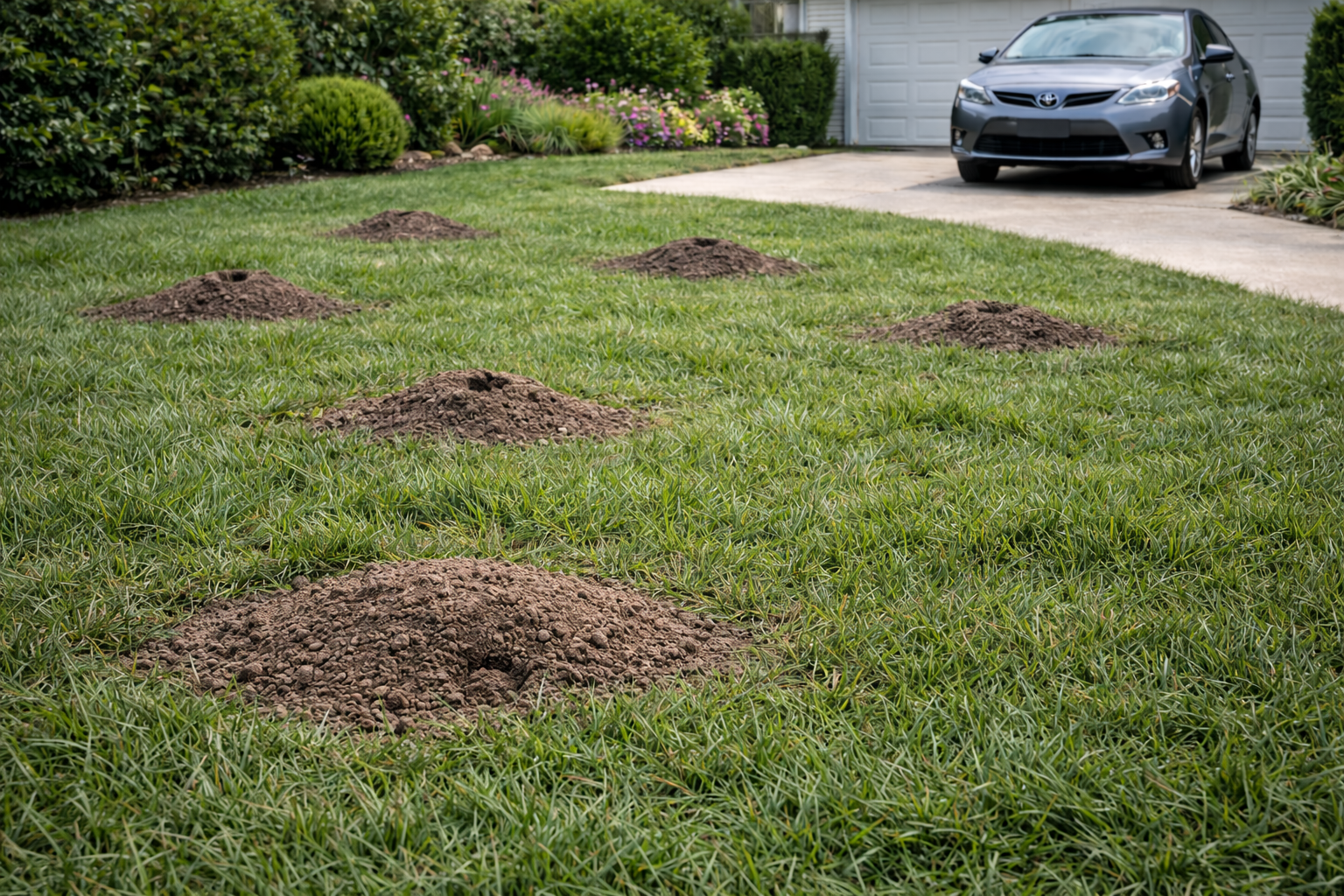
Gopher Activity in Burbank, CA
Gophers represent a persistent wildlife presence throughout Burbank, California, affecting residential properties, commercial landscapes, and public spaces across the city. The combination of Burbank's geography, soil composition, and extensive irrigation infrastructure creates an environment particularly conducive to gopher populations. Understanding gopher behavior and activity patterns helps property owners recognize problems early and make informed decisions about management strategies.
Why Burbank Has Significant Gopher Activity
Burbank's location in the San Fernando Valley creates ideal conditions for gopher populations. The city sits at the northern edge of the Los Angeles Basin, with elevations ranging from approximately 500 to 900 feet, placing it in a semi-arid climate zone that receives minimal rainfall—typically between 14 and 16 inches annually. This limited precipitation necessitates extensive irrigation systems throughout the city's residential neighborhoods, commercial districts, and landscaped public areas.
The soil composition in Burbank plays a critical role in supporting gopher activity. Much of the city's underlying soil consists of alluvial deposits and sandy loam, particularly in areas west of the Burbank Hills and throughout the flatlands near the Los Angeles River. These soil types are softer and easier to excavate than clay-heavy soils, making tunnel construction relatively energy-efficient for burrowing rodents. The soil drainage characteristics also support the vegetation that gophers consume, including tree roots, shrubs, and herbaceous plants.
Proximity to undeveloped areas and natural wash systems contributes to Burbank's gopher pressure. The Los Angeles River, Coyote Creek, and various tributary systems in the surrounding areas maintain populations of gophers that periodically migrate toward developed properties. Additionally, the Burbank Hills and nearby foothill areas provide natural habitat corridors. Gophers frequently disperse from these wild areas into suburban neighborhoods, particularly during spring and after drought periods when food sources in natural areas become scarce.
The city's diverse landscaping practices, ranging from drought-resistant native plantings to ornamental gardens, provide abundant food sources. Many properties feature established trees, shrubs, and ground covers that gophers actively consume or tunnel beneath in search of roots and tubers.
Common Gopher Species in Burbank
The Botta's pocket gopher (Thomomys bottae) is the predominant gopher species in Burbank and throughout the greater Los Angeles area. These rodents are medium-sized burrowing mammals, measuring approximately 5 to 7 inches in body length, with relatively short tails extending 1 to 2 inches. Coloration varies considerably, though individuals in the Burbank area typically display brown to grayish-brown fur on their dorsal surfaces, with lighter coloring on their ventral sides.
Botta's pocket gophers possess several specialized adaptations for their subterranean lifestyle. Their front limbs are notably muscular and equipped with large claws designed for efficient digging. The animals possess small, externally visible ears and relatively small eyes, as these sensory organs are less critical in underground tunnel systems where gophers spend the majority of their lives. They have small external cheek pouches used for transporting food items through their tunnel networks—a characteristic that earned them their common name.
Individual Botta's pocket gophers in Burbank typically establish home ranges of approximately 200 to 2,000 square feet, depending on food availability and population density. In suburban areas with abundant irrigation and diverse plantings, territories tend toward the smaller end of this range. Gophers are primarily solitary animals, with the exception of breeding periods. Their tunnel systems often reach depths of 2 to 4 feet below the surface, with lateral tunnels extending multiple feet in various directions from the main burrow.
These gophers are active throughout the year in Burbank's mild climate, though activity levels fluctuate seasonally. They do not hibernate, making winter months an opportune time for observation, as fresh mounds frequently appear in yards and landscaped areas. Their presence can be confirmed through characteristic mound formation, tunnel system observation, and direct sighting, though the latter is less common given their subterranean nature.
When Gopher Activity Peaks in Burbank
Gopher activity in Burbank follows predictable seasonal patterns tied to breeding cycles and environmental conditions. The primary breeding season extends from January through March, when males become increasingly active in establishing territories and seeking mates. During this period, property owners frequently notice heightened mound activity and more extensive tunneling, particularly in areas with adequate moisture and established vegetation.
The spring months—March through May—represent the second major activity peak in Burbank. Winter and early spring rains increase soil moisture, making tunnel construction easier and activating dormant vegetation that provides food resources. The combination of breeding activity and improved digging conditions results in significant observable damage during this window. Many property owners report their most noticeable gopher problems during late March and April.
Summer months (June through August) typically see reduced gopher activity in Burbank due to drying soil conditions and the stress of high temperatures. However, activity does not cease entirely; rather, gophers shift their focus to irrigated landscapes where consistent moisture is maintained. Properties with regular lawn watering, landscape irrigation systems, and well-established plantings may experience continued problems throughout the summer season. The contrast between irrigated and non-irrigated areas becomes particularly apparent during drought periods.
Fall months bring a return to more consistent activity levels as temperatures moderate. Activity again increases as gophers prepare for winter and capitalize on late-season vegetation growth. December through early January typically represents a period of moderate activity, as gophers remain focused on food accumulation before the breeding season commences.
Signs of Gopher Damage in Burbank Yards
The most obvious indicator of gopher activity consists of characteristic mounds that appear throughout affected yards. Burbank property owners typically observe these mounds as fan-shaped or crescent-shaped piles of loose soil, measuring 4 to 8 inches in diameter and rising 2 to 4 inches above the ground surface. These mounds result from gophers pushing excavated soil to the surface while creating and maintaining their tunnel systems. Multiple mounds scattered across a yard indicate an active population or several individual gophers.
Subsurface tunnel damage often precedes visible mounding. Homeowners may notice settling or depression patterns across lawns where tunnel roofs have collapsed, creating irregular surface depressions. In Burbank's common xeriscaped landscapes featuring wood chips and ground covers, tunnel activity becomes particularly visible as subsurface pathways beneath these materials.
Plant damage represents another significant indicator of gopher presence. Gophers consume roots, bulbs, and underground portions of vegetation, causing plants to wilt, yellow, or die suddenly despite adequate watering. Established shrubs and small trees in Burbank yards frequently suffer from gopher root damage. Gophers will girdle tree roots and consume bark from below the soil surface, eventually killing trees that property owners have maintained for years. Root vegetables and bulbs—including carrots, potatoes, and bulbs—disappear or become partially consumed when gophers access them underground.
Irrigation system damage occurs when gopher tunnels intersect with drip lines, soaker hoses, or underground sprinkler systems. This damage disrupts water distribution and may result in unexpected increases in water usage as water escapes through openings created by gophers. In Burbank's water-conscious climate, such system failures often become apparent through changes in landscape appearance or higher than normal water bills.
Landscape Considerations for Burbank Properties
Burbank's landscape diversity reflects its history as both a residential community and an entertainment industry hub. Older neighborhoods in areas such as Olive Avenue and Magnolia Boulevard feature mature trees, established lawns, and traditional ornamental plantings that create attractive but vulnerable environments for gophers. Conversely, many modern Burbank properties have adopted Mediterranean and drought-resistant landscaping styles featuring native California plants, succulents, and hardscape elements that reduce—though do not eliminate—gopher appeal.
Certain plant species common in Burbank landscapes attract gopher activity more significantly than others. Fruit trees, including apricot, peach, and citrus varieties, provide highly desirable food sources with roots and fruits that gophers actively seek. Ornamental shrubs such as privet hedges, pyracantha, and ornamental plums frequently sustain root damage from gopher activity. Ground covers including ivy and vinca are vulnerable to undermining as gophers tunnel beneath them. Conversely, drought-resistant native plants such as California sage, toyon, and manzanita appear less attractive to gophers, though they remain susceptible to damage if gophers encounter them during routine tunneling.
Hardscape elements—including patios, decks, stone pathways, and gravel areas—do not eliminate gopher activity but reduce accessibility in some cases. Burbank properties that transition from irrigated softscape to hardscape create less desirable habitat for gophers seeking easily accessible food and water. However, gophers routinely tunnel beneath hardscaping elements, potentially compromising structural integrity over time.
Irrigation system design influences gopher problems. Properties with efficient drip irrigation or micro-irrigation systems that deliver water directly to plant roots create less extensive wet zones that may support fewer gophers than traditional overhead sprinkler systems that wet large soil areas. The frequency and duration of irrigation affect soil moisture levels that, in turn, influence gopher comfort and activity levels.
For professional gopher control in Southern California, visit Rodent Guys — serving Los Angeles, Orange, San Bernardino, and Riverside counties.