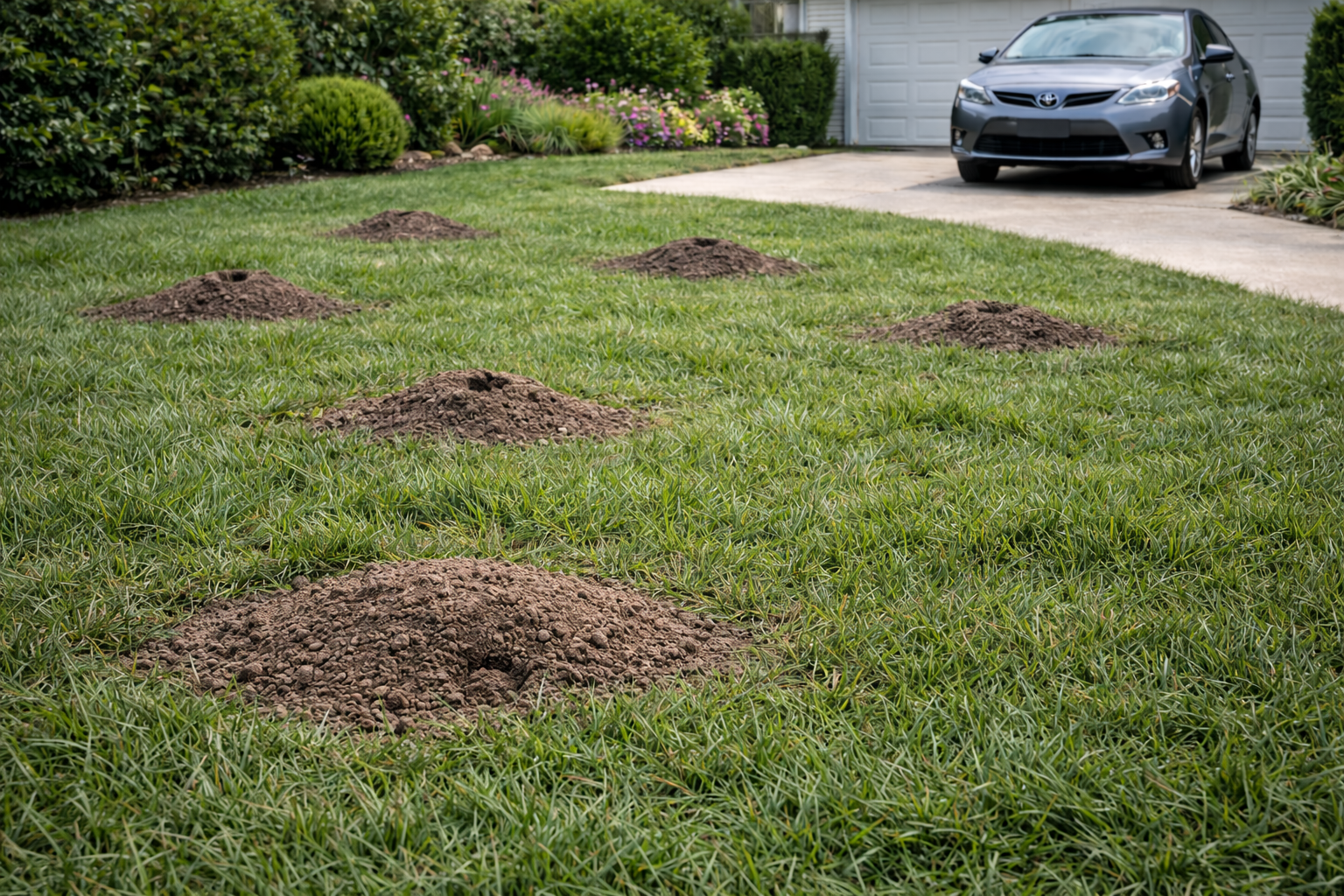
Gopher Activity in Covina, CA
Covina, located in San Gabriel Valley in Los Angeles County, experiences persistent gopher activity throughout the year. The combination of mild winters, well-irrigated residential properties, and proximity to undeveloped foothill areas creates an ideal environment for gopher populations to thrive. Property owners across this community frequently encounter evidence of burrowing activity, from distinctive mound formations in lawns to damaged irrigation systems and compromised plant root zones.
Why Covina Has Significant Gopher Activity
The San Gabriel Valley's geological composition directly supports robust gopher populations. Covina's underlying soils consist primarily of alluvial deposits derived from San Gabriel Mountain runoff, creating friable, easily-burrowed earth that gophers can excavate with minimal effort. These soils retain moisture effectively, which is particularly important since gophers require damp conditions to prevent their tunnel systems from collapsing.
Covina's climate patterns intensify gopher activity. The region experiences mild winters with average January temperatures around 50°F, allowing gophers to remain active year-round rather than entering hibernation. Seasonal rainfall between November and March provides natural soil moisture that supplements the extensive irrigation systems found throughout residential neighborhoods. The gradual drying that occurs in summer months drives gophers to dig deeper into soil strata seeking moisture, often damaging underground irrigation lines in the process.
The proximity of Covina to the San Gabriel Mountains significantly influences gopher presence. Wild gopher populations inhabit the chaparral and coastal sage scrub ecosystems in adjacent foothills, and individual gophers regularly disperse into residential areas seeking resources. Additionally, Covina's established neighborhoods feature mature landscaping with deep-rooted trees and shrubs that require regular watering, creating moisture corridors that attract burrowing rodents from less developed surrounding areas.
Common Gopher Species in Covina
The Botta's pocket gopher (Thomomys bottae) represents the dominant gopher species throughout Covina and the broader San Gabriel Valley region. This species derives its common name from the external, fur-lined cheek pouches that extend from the mouth to the shoulder, used for transporting food and nesting materials through tunnel systems. Adult Botta's pocket gophers typically measure six to eight inches in body length, with relatively small eyes, short rounded ears concealed by fur, and prominent front incisors adapted for excavation.
Botta's pocket gophers display coloration patterns ranging from light brown to nearly black, with variations sometimes occurring between individual populations in different neighborhoods. Their front feet feature elongated claws specifically adapted for digging, while their hind feet remain proportionally smaller and function primarily for bracing during excavation. The tail is notably short and relatively hairless, serving a sensory function within dark tunnel systems.
Within Covina's boundaries, these gophers establish territories across residential yards, particularly in areas with adequate soil depth and consistent moisture. They construct extensive burrow systems that may extend fifty feet or more, with primary tunnels positioned twelve to eighteen inches below the surface and deeper chambers used for nesting and food storage. Each gopher typically maintains an exclusive territory of one-quarter to one-half acre, aggressively defending against intruding individuals through violent encounters.
When Gopher Activity Peaks in Covina
Gopher activity in Covina exhibits pronounced seasonal variations tied to reproductive cycles and soil moisture availability. The primary breeding season occurs between January and March, coinciding with Covina's peak rainfall months when soil conditions become optimal for tunnel construction and maintenance. During this period, male gophers increase surface activity while searching for receptive females, leading to accelerated mound construction and visible evidence of burrowing throughout affected properties.
Spring represents a critical period for gopher visibility in Covina neighborhoods. Following winter rains that saturate soil profiles, gophers expand their tunnel systems horizontally rather than vertically, producing the characteristic mounding patterns that property owners recognize as infestation indicators. March through May typically shows the highest frequency of new mound appearance across lawns and garden areas, as young gophers dispersing from natal burrows establish independent territories.
Summer months in Covina bring seasonal shifts in gopher behavior. As irrigation becomes the primary soil moisture source and natural rainfall ceases, gophers concentrate burrowing activity in areas with consistent watering. This often means extensive tunneling beneath foundation plantings, vegetable gardens, and actively-maintained landscape areas. Fall activity remains moderate as soil moisture gradually declines, though underground feeding continues as gophers stockpile roots, bulbs, and plant material in deeper storage chambers.
Signs of Gopher Damage in Covina Yards
The most visible indicator of gopher presence comprises fresh mounds appearing in Covina yards, particularly after rainfall or irrigation events. These mounds typically measure four to six inches in height and eight to twelve inches in diameter, displaying a distinctive crescent or horseshoe shape when viewed from above. Gophers create mounds by excavating lateral tunnels and pushing accumulated soil upward through vertical shafts, often creating multiple mound clusters across affected properties as tunnel systems expand.
Irrigation system damage constitutes a significant consequence of gopher burrowing activity in water-dependent Covina landscapes. As gophers tunnel through soil, they frequently intersect buried drip irrigation lines, soaker hoses, and PVC supply pipes. Damaged irrigation systems may leak water into burrow systems, accelerating erosion around foundation areas and creating muddy zones that attract additional gopher activity. Property owners often first suspect gopher presence when noticing unexplained lawn die-off in specific areas despite active irrigation, indicating subsurface damage.
Plant damage patterns provide additional evidence of gopher feeding activity. Gophers girdle roots and bulbs of desirable plants, consuming stem and root tissues from below the soil surface. Trees and shrubs may suddenly decline or die, with root inspection revealing characteristic gnaw marks on primary and lateral roots. Vegetable gardens prove particularly vulnerable, with gophers consuming planted bulbs, root crops, and transplant seedlings before these plants achieve visible above-ground growth.
Landscape Considerations for Covina Properties
Covina's neighborhood character reflects Southern California's mid-century suburban aesthetic, with established residential areas featuring predominantly conventional turf lawns, foundation plantings, and specimen trees. Many properties across Covina maintain similar landscape profiles: mature coast live oaks and California pepper trees as shade elements, drought-tolerant shrubs including California privet and toyon, and regularly-irrigated turfgrass sod in front and rear yards. This standardized approach to landscaping creates vulnerability to gopher populations, as consistent irrigation and soft soil conditions favor burrowing activity.
Certain plant species common in Covina landscapes experience particular susceptibility to gopher predation. Bulbs including tulips, daffodils, and lilies prove attractive to gophers, as do root vegetables such as carrots, potatoes, and turnips. Young fruit trees newly planted in Covina yards face root damage risk, as gophers readily consume tender root tissues. Established trees with deeper root systems generally tolerate moderate gopher activity, though severe tunneling beneath root collars can eventually girdle tree trunks and cause mortality.
The balance between hardscaped and softscaped areas influences gopher activity patterns. Properties featuring extensive patios, walkways, and decorative rock features provide barriers to burrowing, creating refugia for desirable plants positioned in proximity to impermeable surfaces. Conversely, large open turf areas and continuous planting beds enable unobstructed tunnel construction, allowing gopher populations to expand rapidly across properties lacking structural impediments to underground movement.
For professional gopher control in Southern California, visit Rodent Guys — serving Los Angeles, Orange, San Bernardino, and Riverside counties.