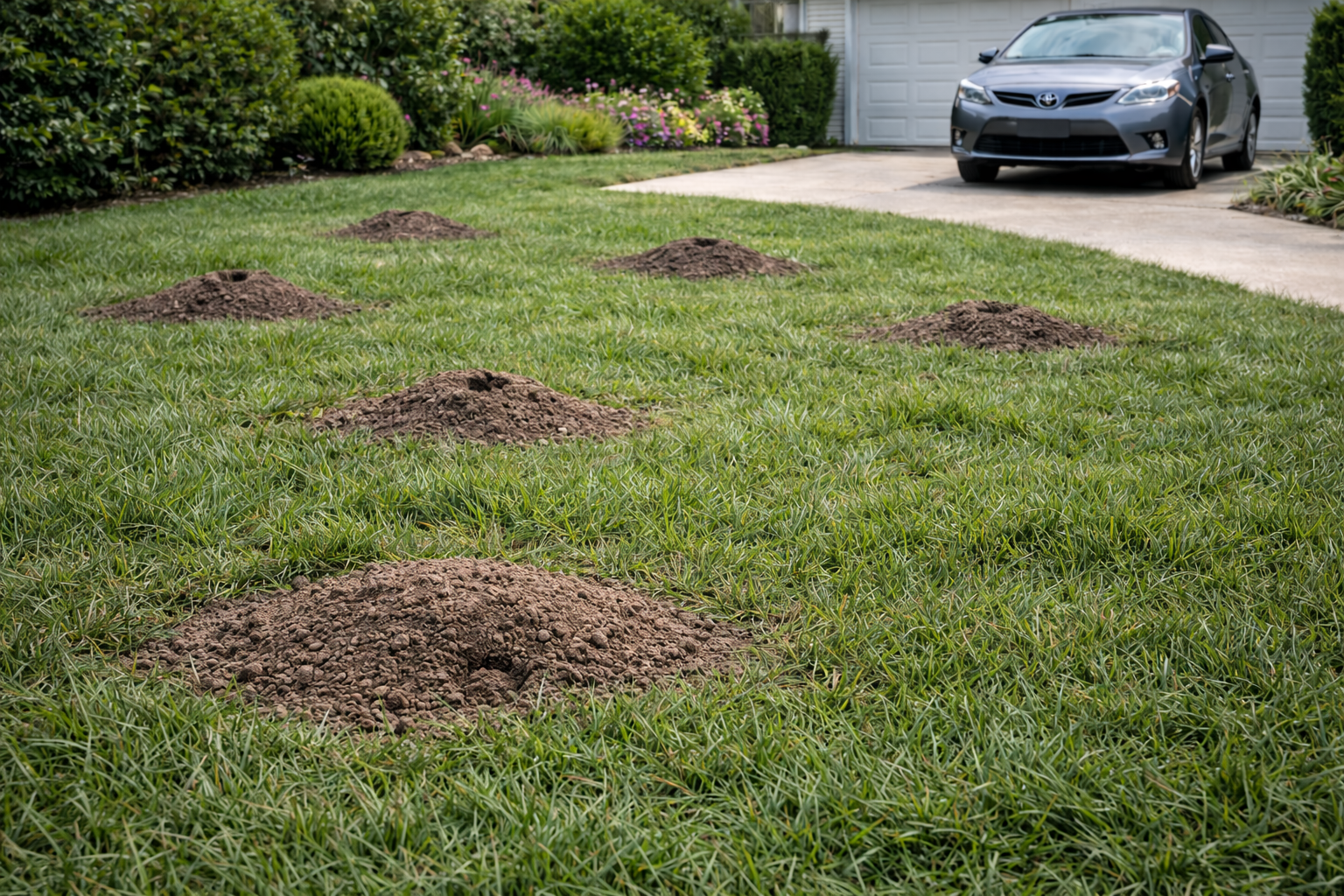
Gopher Activity in Cypress, CA

Gopher activity represents a persistent wildlife management concern throughout Cypress, California, particularly in residential neighborhoods and landscaped properties. The city's combination of suburban development, irrigated gardens, and proximity to natural open spaces creates ideal conditions for pocket gopher populations to thrive. Understanding the patterns and characteristics of gopher activity in this Orange County community helps property owners recognize damage early and make informed decisions about land management.

Why Cypress Has Significant Gopher Activity

Cypress experiences notable gopher populations due to multiple environmental and geographic factors that converge across the community. The city's soil composition—primarily composed of fine sandy loams and silty loams derived from marine deposits—provides excellent digging conditions for burrowing rodents. These soil types, which dominate much of Orange County's coastal plain, are soft enough for gophers to excavate extensive tunnel systems without expending excessive energy, yet stable enough to maintain burrow integrity.

The region's Mediterranean climate, characterized by mild winters and warm, dry summers, allows gopher populations to remain active year-round. Cypress receives approximately 12 to 14 inches of annual rainfall, concentrated primarily between November and March. This precipitation pattern, combined with widespread irrigation systems throughout residential neighborhoods, maintains soil moisture levels that gophers require for successful burrowing and foraging activities.

Cypress's position in the greater Los Angeles Basin, situated between natural habitat areas and densely developed suburban zones, creates a transition landscape where gophers naturally congregate. The city's extensive landscaping—featuring irrigated lawns, ornamental gardens, and cultivated vegetation—provides abundant food sources year-round. Additionally, the relative scarcity of natural predators in suburban settings allows gopher populations to expand more freely than they would in wild habitats.

Common Gopher Species in Cypress

The Botta's pocket gopher (Thomomys bottae) represents the primary gopher species found throughout Cypress and the surrounding Orange County region. This medium-sized rodent typically measures 5 to 7 inches in body length, with a tail adding another 1 to 1.5 inches. Botta's pocket gophers display brown to grayish-brown fur coloration, with darker shades common in Orange County populations, and possess the characteristic large front teeth and prominent claws adapted for extensive tunneling.

The species derives its common name from the fur-lined cheek pouches used to transport food and nesting materials through tunnel systems. These external pouches, which open near the mouth rather than inside the cheeks, allow gophers to forage efficiently without using their front paws to carry materials. Botta's pocket gophers are solitary animals, with each individual maintaining its own tunnel system and defending territories against neighboring gophers with surprising aggressiveness.

In Cypress's suburban environment, Botta's pocket gophers demonstrate particular preference for landscaped areas featuring irrigated vegetation. They occupy various microhabitats throughout the city, from actively gardened residential lots to vacant properties and median strips. The species's adaptability to disturbed habitats and human-modified landscapes explains its success in maintaining robust populations across Cypress neighborhoods, despite ongoing removal efforts by individual property owners.

When Gopher Activity Peaks in Cypress

Gopher activity in Cypress follows distinct seasonal patterns, with winter and early spring representing the period of most intensive surface activity and damage. The breeding season extends from January through March, during which male gophers increase their aboveground movement while seeking mates. This reproductive period corresponds with increased tunnel construction and mound formation, making gopher presence most visually apparent during these months.

Spring rains, typically occurring between February and April, soften Cypress's soil and stimulate growth of tender vegetation that gophers consume. This combination of factors—breeding activity, soil conditions favorable for digging, and abundant fresh plant growth—creates a convergence of peak gopher behavior. Property owners often observe the most extensive mounding and plant damage during March through May.

Summer months bring reduced activity in some areas due to heat and dry soil conditions, though gophers in irrigated landscapes maintain relatively consistent tunneling throughout the warmer season. Fall rains resume in October and November, triggering a secondary peak in gopher activity as populations prepare for winter. Understanding these seasonal patterns helps explain why gopher damage appears more prominent at certain times of year, even when total gopher populations remain relatively stable.

Signs of Gopher Damage in Cypress Yards

Property owners in Cypress can identify active gopher presence through several distinct visual indicators. The most obvious sign consists of crescent-shaped or fan-shaped mounds of displaced soil appearing in lawns, gardens, and landscaped areas. Gophers create these mounds by pushing soil upward from their tunnel systems, typically producing multiple mounds across a property as they expand their burrow networks. A single active gopher can create dozens of mounds over several weeks.

Plant damage in Cypress gardens and landscapes frequently indicates gopher presence, particularly when vegetation dies or wilts despite adequate irrigation. Gophers consume roots of ornamental plants, vegetables, and turf grasses, killing plants by severing their root systems below soil level. In Cypress's typical residential landscapes featuring shallow-rooted ornamentals and groundcovers, gophers can devastate entire planting beds within short periods.

Damage to irrigation systems occurs when gophers tunnel through buried drip lines and water pipes. This activity causes water loss and uneven irrigation distribution across lawns and gardens. Cypress's reliance on irrigation for maintaining landscaping during the dry season makes this damage particularly consequential, as broken lines can waste significant water volumes and create oversaturated or completely dry zones within properties. Collapsed or sunken areas in lawns and garden beds often indicate extensive tunneling below the surface.

Landscape Considerations for Cypress Properties

Cypress neighborhoods display diverse landscaping approaches, ranging from traditional turf grass lawns to drought-conscious native plantings and hardscape-dominated designs. Standard residential properties in established neighborhoods like Old Town Cypress and central Cypress often feature irrigation-dependent landscapes with soft soil components highly vulnerable to gopher activity. These properties, common in the neighborhood surrounding the historic Cypress cemetery and throughout the densely developed residential core, present ideal habitat for gopher populations.

Certain plant species popular in Cypress gardens exhibit particular susceptibility to gopher damage. Root vegetables including carrots, potatoes, and turnips attract gophers actively, as do many ornamental bulbs such as tulips and daffodils. Established trees and shrubs can survive gopher activity once their root systems mature, but young plantings vulnerable to root damage require protection. Mediterranean-climate adapted plants popular in Cypress landscapes—including sage varieties, California poppies, and drought-tolerant shrubs—generally prove less attractive to gophers than traditional landscape plants.

Properties with extensive hardscaping elements, such as those featuring large patio areas, concrete pathways, and rock gardens, experience reduced gopher pressure compared to properties with predominantly soft landscaping. However, gophers tunnel readily beneath hardscape features, potentially destabilizing patios and pathways over time. The choice between maintaining irrigated, vulnerable landscapes versus implementing more drought-resistant and gopher-resistant designs represents a significant consideration for Cypress property owners planning long-term landscape management strategies.