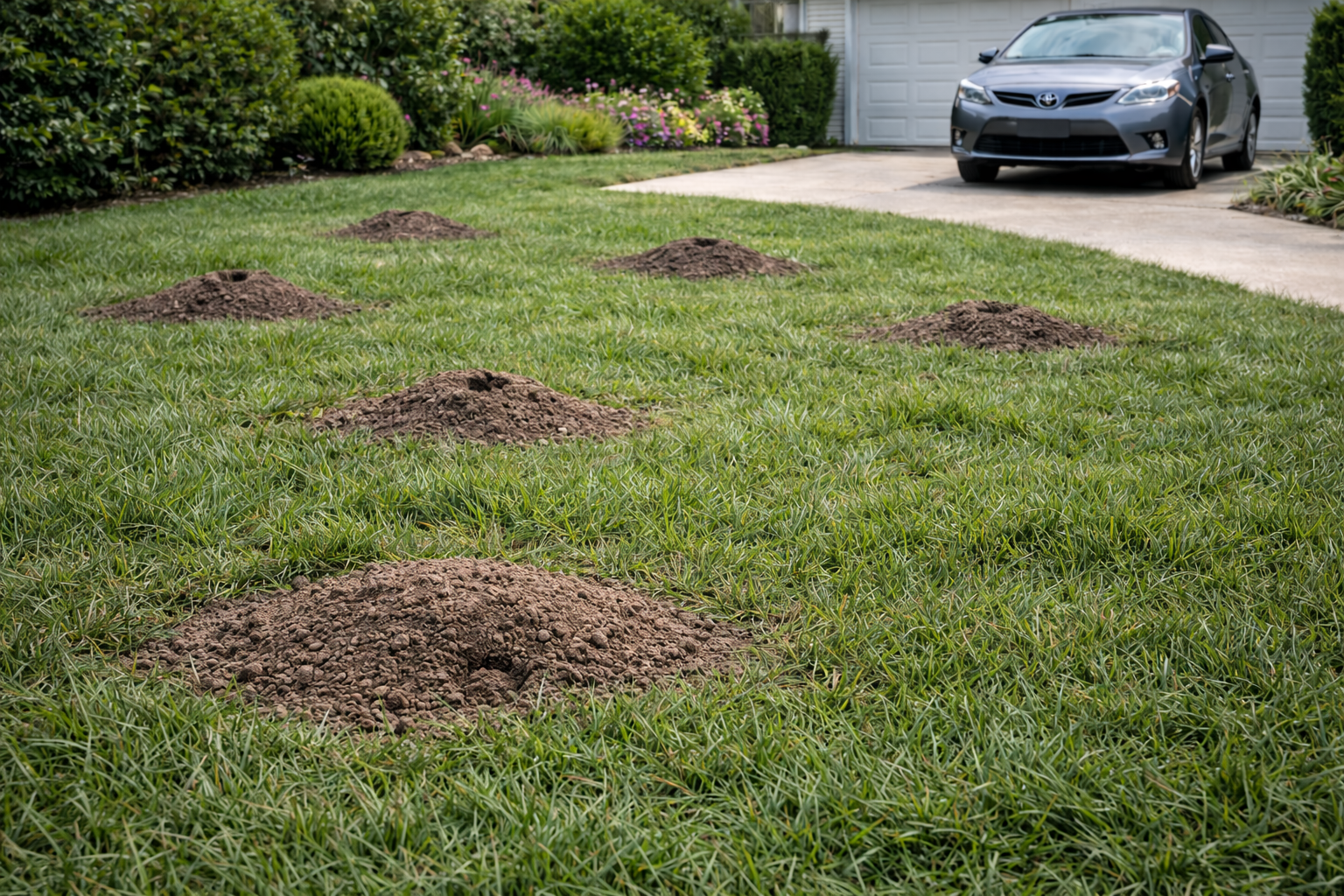
Gopher Activity in Downey, CA

Downey, located in southeastern Los Angeles County, experiences consistent gopher activity throughout the year due to its favorable climate, irrigation practices, and soil composition. The presence of pocket gophers in residential yards, parks, and landscaped areas has made them a notable wildlife concern for property owners across the city. Understanding gopher behavior and activity patterns specific to Downey's environment helps residents recognize and address problems when they occur.

Why Downey Has Significant Gopher Activity

Downey's geographic and environmental characteristics create ideal conditions for gopher populations. The city sits in the Los Angeles Basin, an area with relatively mild winters and warm summers that allow gophers to remain active and reproduce throughout much of the year. The region's alluvial soils—deposited over centuries by the San Gabriel River and Rio Hondo—are typically well-draining yet workable, making tunnel excavation easier for burrowing rodents compared to harder clay soils found in other parts of Southern California.

The extensive irrigation systems that maintain Downey's residential landscapes and public green spaces provide consistent moisture, which softens soil and creates better conditions for tunnel construction and maintenance. Many properties feature mature landscaping with established irrigation lines, creating underground environments where gophers can move safely while accessing both plant roots and water sources. Additionally, Downey's proximity to the San Gabriel River riparian zone and various natural areas means gopher populations have nearby wildlife corridors that facilitate migration into developed neighborhoods. The combination of water availability, suitable soil, moderate temperatures, and established vegetation makes Downey particularly attractive to pocket gopher populations seeking shelter and food.

Common Gopher Species in Downey

The Botta's pocket gopher (Thomomys bottae) represents the primary gopher species found throughout Downey and most of Southern California. These rodents are medium-sized burrowers, typically measuring 5 to 7 inches in body length with a short tail and powerful front legs adapted for digging. Their coloring ranges from light tan to dark brown, with fur that becomes coarser along the back. Botta's pocket gophers possess distinctive external cheek pouches used for carrying food and nesting materials through their tunnel systems.

In Downey's landscape, Botta's pocket gophers inhabit both residential yards and undeveloped lots where suitable vegetation and soil conditions exist. They prefer areas with good soil structure and access to plant matter, including roots, tubers, and bulbs. These gophers are solitary creatures, with each individual maintaining its own tunnel system and being highly territorial. They create elaborate networks of tunnels that can extend across an entire yard, with main runways often positioned 6 to 12 inches below the soil surface. The mounding activity associated with tunnel construction becomes most visible during wet seasons when soil moisture facilitates excavation, making spring months particularly noticeable for gopher presence in Downey yards.

When Gopher Activity Peaks in Downey

Gopher activity in Downey follows seasonal patterns tied to rainfall, temperature, and breeding cycles. The primary breeding season occurs from January through March, coinciding with Downey's winter rainy season. During these months, male and female gophers mate, and females subsequently prepare nesting chambers within their tunnel systems. The combination of winter precipitation and elevated gopher breeding activity means January through April typically shows the highest level of visible mounding and tunneling damage in local yards.

Spring rains, which occasionally extend into April and May, continue to soften Downey's soil and support gopher activity. Summer months bring drier conditions, and while gophers remain active, their surface mounding activity decreases as soil becomes harder and moisture becomes less abundant in the upper soil layers. Fall brings cooler temperatures and occasional rainfall, spurring renewed activity as gophers prepare for winter and take advantage of moisture that enhances digging. Winter itself sees continued high activity due to breeding season and winter moisture. Property owners in Downey who observe increased mounding or fresh tunnel activity during late winter and early spring are witnessing the peak of gopher reproductive and construction activity for the year.

Signs of Gopher Damage in Downey Yards

Identifying active gopher presence in Downey properties requires familiarity with characteristic signs and damage patterns. The most obvious indicator is the appearance of fresh mounds—conical or crescent-shaped piles of excavated soil that may appear overnight in yards, particularly after irrigation or rainfall. Unlike mole mounds, gopher mounds typically feature a more pronounced crescent shape and are often slightly flattened on top. These mounds indicate recent tunnel excavation and represent fresh gopher activity within the yard.

Beyond surface mounds, gophers cause damage to irrigation systems by gnawing through PVC and poly pipes that carry water throughout landscaped areas. Downey's reliance on sprinkler irrigation makes this damage particularly common and costly. Homeowners may notice reduced water pressure, dry patches in lawns, or visible water damage without obvious surface leaks—often caused by gopher damage to underground lines. Plant damage is equally significant; gophers consume roots and bulbs of ornamental plants, vegetables, and turf grass, causing sudden wilting or death of vegetation. They also clip plants at ground level while gathering stems and leaves. In established Downey neighborhoods with mature landscaping, gopher damage to prized ornamental plantings—including roses, fruit trees, and foundation shrubs—becomes particularly problematic when populations establish themselves in yards.

Landscape Considerations for Downey Properties

Downey's residential landscape character reflects both contemporary suburban design and older established neighborhoods with mature vegetation. Many properties feature the classic Southern California landscaping combination of drought-tolerant shrubs, ornamental trees, and irrigated turf grass. Mediterranean-style plants, palm trees, and citrus remain common in Downey yards, reflecting both the region's climate and long-standing horticultural traditions. The mix of hardscape features—patios, pathways, and walls—with softscape plantings creates complex underground environments where gophers exploit root systems and irrigation infrastructure.

Certain plants commonly grown in Downey yards prove particularly vulnerable to gopher damage. Young fruit trees, vegetable gardens, flowering bulbs, and tender perennials face significant risk when gopher populations establish in a yard. Root vegetables including carrots, beets, and potatoes suffer high loss rates in gardens with active gophers. Conversely, some established plants with fibrous root systems rather than taproots—like mature landscape shrubs and native vegetation—offer gophers less nutritional value and thus attract fewer feeding gophers. Properties with extensive hardscape features including driveways, pools, and patio areas present fewer attractants to gophers compared to yards dominated by softscape plantings and irrigation. Understanding these landscape vulnerabilities helps Downey residents assess their property's relative risk for gopher establishment and damage.