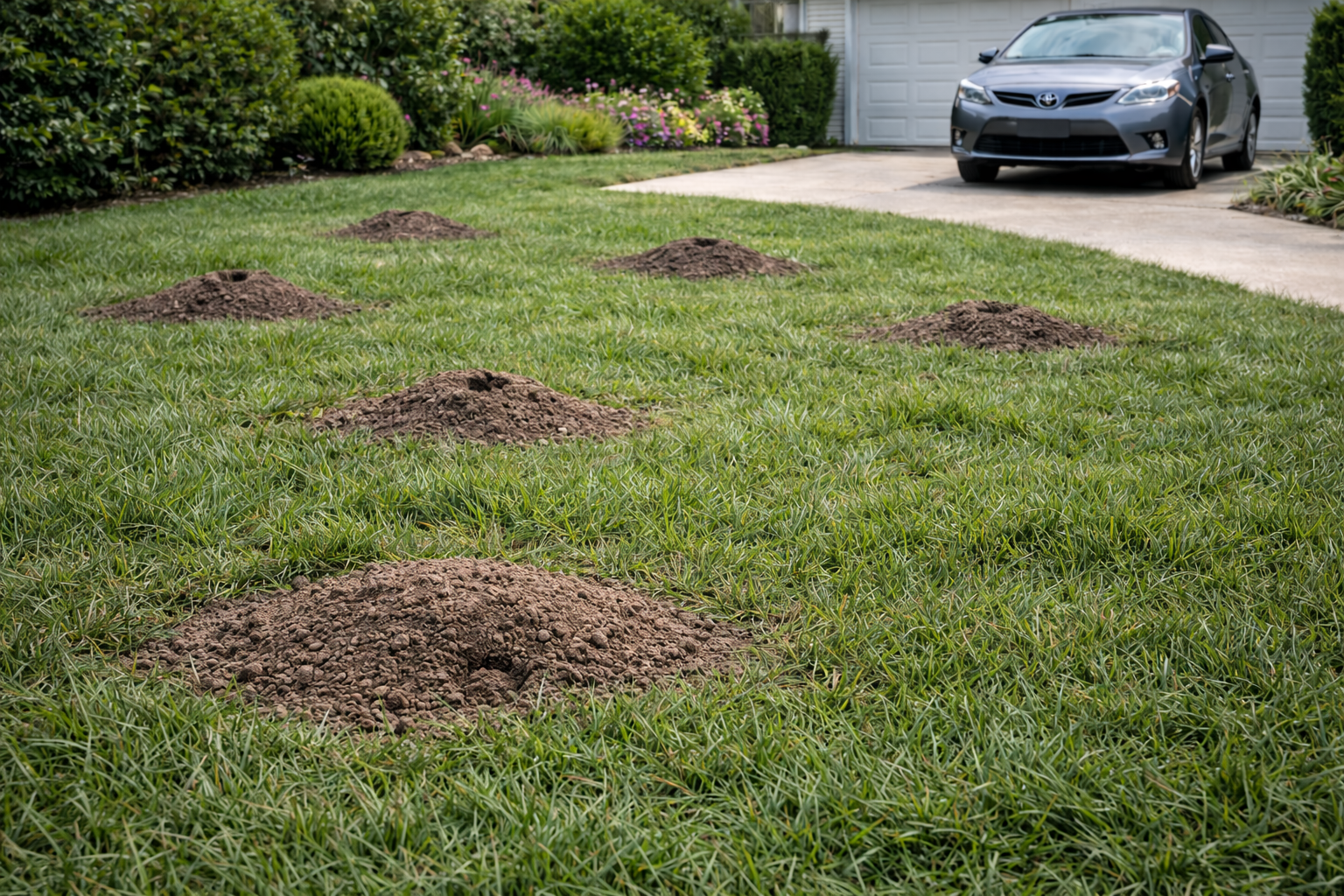
Gopher Activity in El Monte, CA
Gopher activity represents a persistent ecological and landscaping concern throughout El Monte, a densely populated community in the San Gabriel Valley region of Los Angeles County. The convergence of agricultural heritage, suburban residential development, and proximity to foothill terrain has created ideal conditions for pocket gophers to establish and maintain active populations. Understanding the factors that support gopher presence in El Monte helps residents and property managers recognize vulnerability patterns and make informed decisions about landscape management.
Why El Monte Has Significant Gopher Activity
El Monte's geographical position and environmental characteristics create particularly favorable conditions for gopher colonization and persistence. The community sits on the alluvial plain of the San Gabriel Valley, an area historically dominated by agricultural use before suburban expansion. The underlying soil composition—primarily sandy loam and silty loam derived from valley wash deposits—provides optimal burrowing substrate. These soil types are loose enough to tunnel through with minimal resistance, yet stable enough to maintain tunnel structure without frequent collapse, making them ideal for the extensive underground networks that pocket gophers construct.
The region's irrigation infrastructure, developed over more than a century of agricultural use, continues to maintain elevated soil moisture levels even in developed areas. Garden irrigation systems, landscape watering schedules, and periodic rainfall create periodic moisture conditions that soften soil and make excavation easier for burrowing rodents. El Monte's semi-arid Mediterranean climate—with average annual precipitation around 14 inches concentrated in winter months—means that spring conditions from February through April coincide with both increased soil moisture and peak gopher activity periods.
Beyond immediate local conditions, El Monte's proximity to undeveloped foothill areas and the San Gabriel River riparian corridor maintains a reservoir population of wild gophers. The foothills to the north, part of the larger San Gabriel Mountain complex, support established gopher populations in chaparral and grassland habitats. Migration corridors and dispersal patterns mean that suburban properties near these transition zones experience recurring reinvasion pressure, particularly following seasonal population peaks in wild areas.
Common Gopher Species in El Monte
The predominant gopher species throughout El Monte and the greater San Gabriel Valley is the Botta's pocket gopher, scientifically designated as Thomomys bottae. This species represents the most widespread pocket gopher across California's diverse ecosystems and dominates in the valley's elevation and soil conditions. Adult Botta's pocket gophers typically measure 5 to 6 inches in body length, with an additional 1 to 2 inches of short, hairless tail. Their coloration ranges from dark brown to grayish-brown, often with slightly lighter undersides, providing effective camouflage in El Monte's native soil environments.
The species derives its common name from the distinctive external cheek pouches, or "pockets," that extend from the mouth to behind the front legs. These fur-lined pouches enable gophers to transport food and nesting materials from foraging sites back to underground chambers without using their mouths, allowing them to continue digging simultaneously. Botta's pocket gophers possess powerful forelimbs and specialized claws adapted for excavation, making them remarkably efficient tunnel constructors. Their incisors continue growing throughout life, requiring constant gnawing activity to maintain functional length—a factor that contributes to their propensity for damaging plant roots and irrigation components.
Within El Monte's residential and mixed-use zones, Botta's pocket gophers exploit both actively maintained gardens and abandoned or neglected properties. The species exhibits solitary territorial behavior, with individual gophers maintaining burrow systems that can extend across several hundred square feet. Population density varies seasonally and depends on local food availability, but established colonies can support multiple individuals within larger properties or connected landscape areas.
When Gopher Activity Peaks in El Monte
Gopher activity in El Monte follows predictable seasonal patterns driven by breeding cycles, food availability, and soil conditions. The primary breeding season extends from January through March, corresponding with winter rainfall and the initiation of spring growth in native vegetation and cultivated plants. During this period, gophers increase tunneling activity as males expand territories to seek mates and females prepare burrow systems for litters. The combination of moist soil—which facilitates excavation—and emerging food plants creates peak conditions for observable gopher damage.
Spring months (March through May) represent the secondary activity peak, as young gophers dispersing from natal burrows establish new territories and expand existing tunnel networks. This dispersal activity often results in multiple new mound formations across previously unaffected areas of properties. Homeowners frequently report noticing mounds for the first time during late April and May, often mistakenly assuming recent invasion when the activity actually represents seasonal emergence of existing populations.
Summer months (June through August) typically show reduced surface activity as soil becomes drier and harder, making tunneling more energetically expensive. However, gophers with access to irrigated landscapes maintain active burrow systems and continue feeding on plant roots. Fall months (September through November) demonstrate variable activity depending on whether autumn rains arrive early or remain delayed. Most property owners in El Monte observe the most pronounced gopher problems during the January-to-May window, corresponding with rainfall patterns and biological breeding cycles rather than continuous year-round activity.
Signs of Gopher Damage in El Monte Yards
Property owners in El Monte can identify active gopher presence through several characteristic signs visible above ground and in landscape conditions. The most obvious indicator consists of the earthen mounds themselves—crescent or horseshoe-shaped accumulations of soil typically 4 to 8 inches in diameter and 2 to 4 inches in height. These mounds represent soil excavated during tunnel construction and pushed upward through vertical shafts. Fresh mounds appear darker and looser than surrounding soil, indicating recent activity within the preceding few days or weeks. Older, weathered mounds become compacted and blend more readily with the landscape.
The pattern of mound distribution across properties provides information about gopher territories and activity intensity. Single isolated mounds may indicate a transient visitor, while clusters of multiple mounds suggest established burrow systems with multiple access points. Gophers typically maintain several mounds per tunnel system, using them for ventilation, emergency escape, and material disposal. Properties with dozens of visible mounds across multiple areas indicate high population density or multiple individual territories.
Subsurface damage often precedes visible mound formation. Property owners may notice sudden wilting or death of plants, shrubs, or young trees without obvious surface cause—a symptom of gopher gnawing on plant roots and underground portions of stems. Irrigation lines, particularly those made of soft plastic or PVC, sustain punctures and damage as gophers tunnel through landscape zones. Water pooling, reduced water pressure, or unexpected increases in water bills may indicate irrigation damage before the gopher activity itself becomes apparent. Raised or subsiding patches of lawn or soil indicate tunnel collapse or active excavation beneath the surface.
Landscape Considerations for El Monte Properties
El Monte's landscape character reflects both its agricultural heritage and its contemporary suburban and commercial development. Native vegetation historically included coast live oak woodlands, sage scrub, and native grasslands, while contemporary landscapes feature diverse plantings adapted to the region's semi-arid conditions. Many residential properties incorporate drought-tolerant ornamentals, fruit trees, and vegetable gardens—exactly the plant types that pocket gophers find most palatable. The transition from purely agricultural land to residential and commercial mixed-use zones created fragmented habitat where suburban gardens provide concentrated food resources that support gopher populations far more effectively than native vegetation.
Soft-stemmed vegetables including lettuce, carrots, potatoes, and beans rank among gopher's preferred foods, making vegetable gardens particularly vulnerable to damage. Fruit trees, especially young specimens, suffer significant damage as gophers gnaw on roots and bark. Ornamental shrubs and perennials with tubers or fleshy roots—such as geraniums, roses, and various bulbs—sustain losses. Conversely, plants with strong chemical defenses, including California natives like coyote brush and white sage, show considerably less damage. Hardscape elements including driveways, patios, and rock gardens provide physical barriers that discourage tunneling, though determined gophers can undermine structural elements over extended periods.
El Monte's mix of small residential lots, commercial properties, and community spaces means that gopher management on individual properties cannot succeed in isolation. Properties with active gopher populations can serve as source areas for dispersal to neighboring properties. Community-level habitat modification, including fence installation, landscape selection, and coordinated management, produces better long-term outcomes than individual-property approaches alone. Properties adjacent to foothill transition zones face particular reinvasion pressure, requiring ongoing vigilance and sustained management practices rather than one-time interventions.
For professional gopher control in Southern California, visit Rodent Guys — serving Los Angeles, Orange, San Bernardino, and Riverside counties.