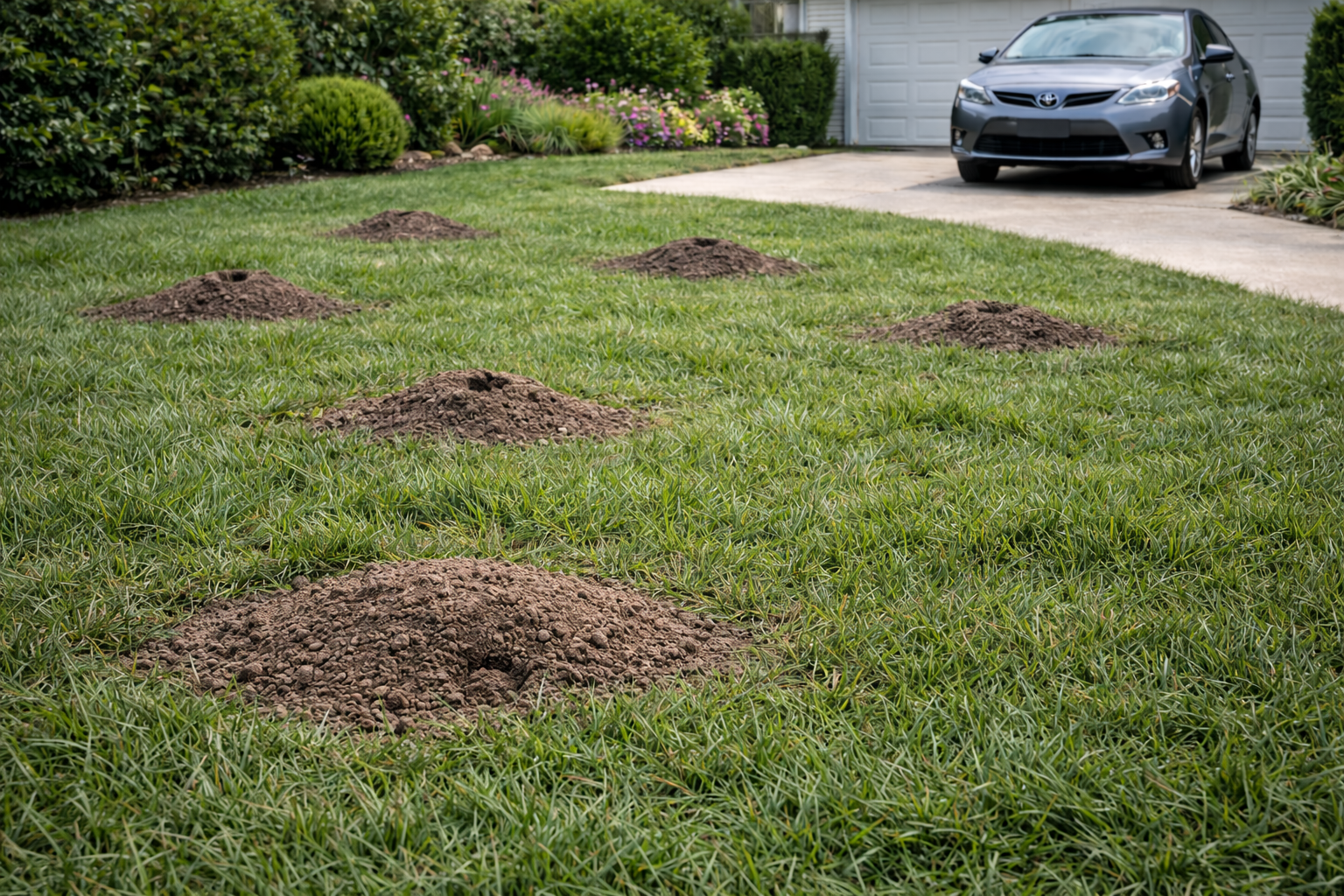
Gopher Activity in Gardena, CA

Gardena, located in southwestern Los Angeles County, experiences consistent gopher activity throughout the year due to its favorable soil conditions, abundant irrigation infrastructure, and moderate climate. The city's blend of residential neighborhoods, commercial developments, and proximity to the Torrance Wetlands and coastal sage scrub habitat creates an environment where gophers thrive. Property owners in Gardena frequently encounter evidence of gopher tunneling systems, particularly in yards with established landscaping and irrigation systems.

Why Gardena Has Significant Gopher Activity

Gardena's geography and environmental conditions make it especially susceptible to gopher populations. The region sits on coastal plains with predominantly sandy loam and loamy soil types, which are ideal for burrowing. These soils are loose enough to excavate without excessive effort, yet stable enough to maintain tunnel structures. The city's extensive network of residential irrigation systems—including sprinkler lines, drip irrigation, and landscape watering—creates consistent moisture in the soil, which gophers depend upon for habitat stability and food source availability.

The local climate plays a significant role as well. Gardena experiences mild winters with average temperatures rarely dropping below 50°F and warm, dry summers. This extended growing season means vegetation remains available for much of the year, providing gophers with sustained food sources. The proximity of Gardena to natural open spaces, including the Torrance Wetlands to the south and various coastal sage scrub areas, means wild gopher populations in adjacent habitats occasionally migrate into residential zones seeking resources or new territory.

Additionally, Gardena's mature landscaping base—developed over several decades—offers established root systems, perennial plantings, and developed gardens that are attractive food sources for gophers. The combination of human-managed irrigation, cultivated plants, and climate conditions creates what amounts to an ideal gopher habitat within an urban setting.

Common Gopher Species in Gardena

The primary gopher species found in Gardena is the Botta's pocket gopher (Thomomys bottae), a medium-sized rodent native to California and the southwestern United States. Botta's pocket gophers typically measure 5 to 7 inches in body length, with relatively short tails. They possess small eyes and ears adapted for underground life, along with powerful forelimbs and large claws designed for digging. Their fur coloration varies from dark brown to tan, often matching the soil color of their native habitat.

These gophers are named for their external cheek pouches—flexible pockets of skin on either side of the mouth—which they use to transport soil and food materials through their tunnel systems. A single Botta's pocket gopher maintains an extensive burrow network that can span a quarter acre or more, with multiple chambers for nesting, food storage, and waste disposal. Within Gardena's residential areas, these tunnel systems frequently intersect with landscape features like foundation plantings, vegetable gardens, and ornamental planting beds.

Botta's pocket gophers are solitary animals, with each burrow system typically inhabited by a single individual outside of breeding season. This means that multiple mounds in a yard may indicate either one gopher with an extensive territory or multiple individuals occupying adjacent territories. The species is active year-round, though activity levels fluctuate seasonally based on breeding cycles and soil moisture conditions.

When Gopher Activity Peaks in Gardena

Gopher activity in Gardena follows distinct seasonal patterns shaped by the local climate and breeding cycles. The peak activity period occurs during late winter and early spring, spanning January through March, when Botta's pocket gophers enter their primary breeding season. During these months, gophers increase their tunnel excavation and movement as males seek females and establish mating territories. This heightened activity makes gopher presence more apparent to property owners, as fresh mounds appear frequently and soil disturbance becomes more visible.

Spring rainfall, typically occurring between February and April in the Gardena area, further intensifies gopher activity. Winter and spring precipitation increases soil moisture, making excavation easier and encouraging plant growth. The combination of breeding season coinciding with increased soil moisture creates a window of particularly intense gopher activity. Property owners often notice the most dramatic landscape damage and new tunnel construction during this period.

Summer months bring moderate activity levels. While the soil becomes drier and gophers may spend more time in deeper burrow sections, they continue tunneling and feeding throughout June through September. The irrigation systems common in Gardena yards partially offset natural drying, maintaining the soil conditions gophers require. Fall activity remains consistent, with gophers preparing food caches and expanding burrow systems before any winter cooling. Understanding these seasonal patterns helps property owners recognize that gopher activity is rarely absent—it fluctuates in intensity rather than disappearing entirely.

Signs of Gopher Damage in Gardena Yards

The most obvious indicator of gopher presence is the appearance of mounds in yards and landscaped areas. Gopher mounds in Gardena typically measure 4 to 12 inches in diameter and 3 to 8 inches in height, appearing as fresh soil deposits scattered across lawns, garden beds, and sometimes hardscape edges. Unlike some other burrowing rodents, Botta's pocket gophers create mounds that are somewhat asymmetrical and often loosely packed, as the soil is pushed to the surface from a lateral tunnel.

Subsurface damage often precedes visible mounding. Gopher tunnels frequently intersect with drip irrigation lines and buried sprinkler systems common in Gardena homes, creating breaks in irrigation infrastructure that lead to water loss or uneven landscape watering. Property owners may notice dead patches in otherwise healthy lawns, indicating ruptured irrigation lines below ground. Garden beds and vegetable gardens suffer root damage as gophers tunnel through soil near plant roots or consume roots directly, particularly targeting legumes, root vegetables, and young tree seedlings.

Above-ground vegetation damage includes wilting plants, sudden plant death, and undermined plantings that become unstable in the soil. Ornamental shrubs, perennial borders, and fruit trees in Gardena yards frequently show evidence of gopher feeding and root severing. In severe cases, plants may appear healthy above ground while their root systems are severely compromised or consumed below. Additionally, gophers sometimes create surface runways—flattened paths through lawns—as they move between burrow entrances, though this is less common than mounding.

Landscape Considerations for Gardena Properties

Gardena's residential landscape aesthetic reflects its coastal Southern California location, featuring a mix of native coastal sage scrub plantings, Mediterranean-style gardens, and traditional ornamental landscaping. The city's abundant sunshine and mild climate support diverse plant palettes, from drought-tolerant California native species to water-intensive ornamental gardens. Understanding how gophers interact with these common landscaping styles is important for property owners managing gopher populations.

Certain plants commonly used in Gardena landscaping are particularly vulnerable to gopher damage. Root vegetables like carrots and potatoes are highly attractive to gophers, as are legumes including clover and beans. Ornamental plants with fleshy roots, such as hostas, dahlias, and tulips, also suffer significant gopher predation. Native plants sometimes used in Gardena landscaping, including sage species and California buckwheat, are less attractive to gophers, making them relatively safer choices for properties with active gopher populations.

The distinction between hardscape and softscape becomes relevant in managing gopher impact. Properties with extensive hardscaping—patios, walkways, and paved surfaces—present fewer burrowing opportunities and fewer food sources. Conversely, yards with significant lawn, planting beds, and tree canopy provide ideal gopher habitat. Many Gardena properties combine both, meaning gophers concentrate their activity in the softscape zones while avoiding paved areas. Strategic hardscaping placement can help reduce but rarely eliminate gopher activity entirely, as these rodents readily tunnel beneath hardscape edges to access surrounding vegetation.