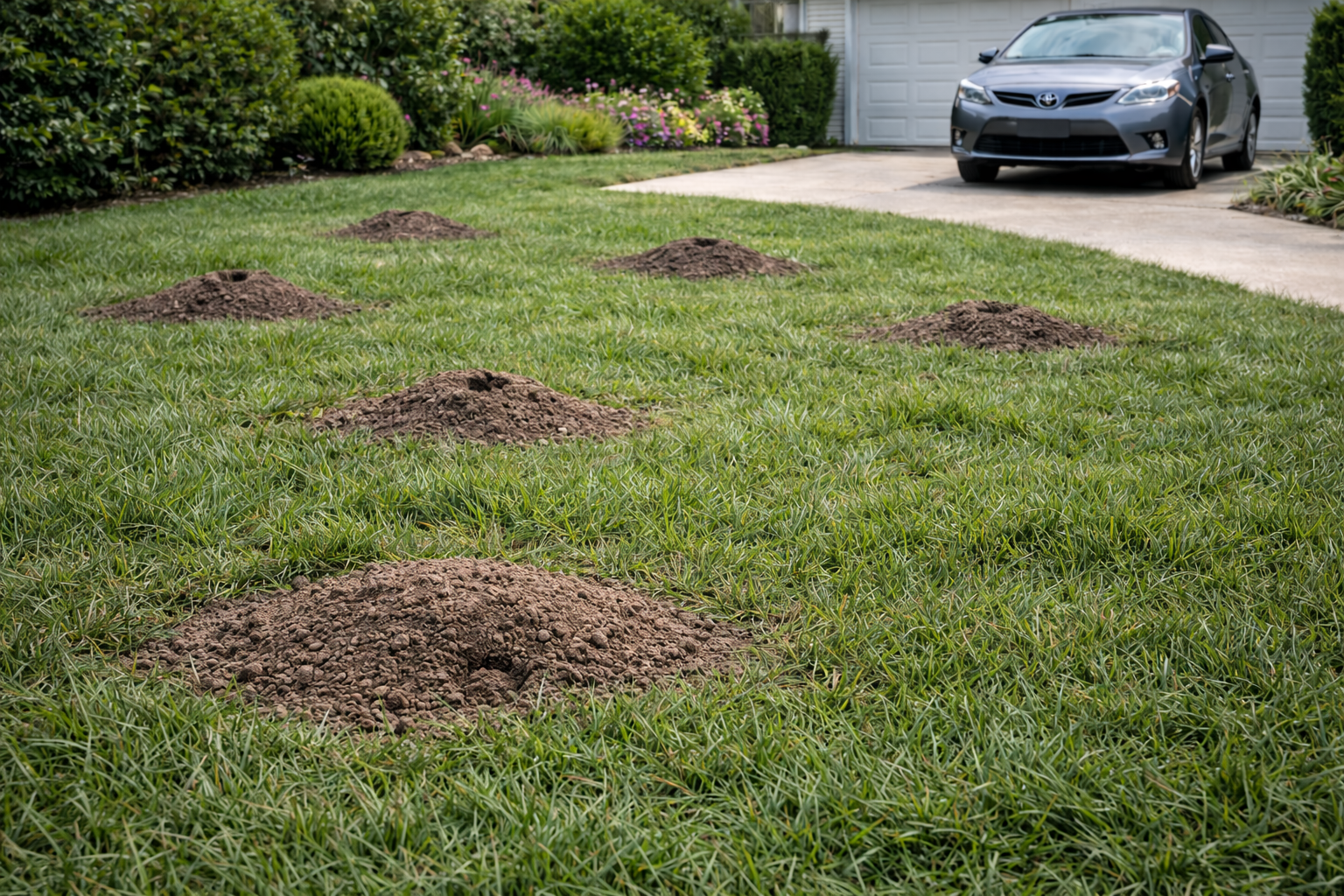
Gopher Activity in Glendora, CA
Glendora, situated in the San Gabriel Valley foothills of Los Angeles County, experiences notable gopher populations that affect residential properties throughout the community. The combination of the city's geographic location, soil composition, and irrigation infrastructure creates an environment where burrowing rodents thrive. Understanding gopher activity patterns and damage signs helps property owners in Glendora recognize and respond to infestations early.
Why Glendora Has Significant Gopher Activity
Glendora's unique position at the transition zone between urban development and the San Gabriel Mountains contributes significantly to gopher populations in the area. The city sits on alluvial fan deposits and sandy loam soils typical of foothill communities, which are ideal for gopher burrowing. These soil types, lacking the clay density found in lower valley areas, allow pocket gophers to excavate extensive tunnel systems with relatively minimal effort. The consistency of the earth in Glendora's neighborhoods—particularly in areas like Wildrose, Oakside, and the properties near the Glendora Ridge—provides perfect conditions for subsurface activity.
The city's irrigation infrastructure amplifies gopher habitat suitability. Residential properties throughout Glendora rely on consistent watering for landscaping maintenance, especially given the region's semi-arid Mediterranean climate. Regular irrigation keeps soil moist and workable, allowing gophers to tunnel more efficiently than they could in drier conditions. Properties with established landscape irrigation systems, common in Glendora's more affluent neighborhoods near Michillinda Avenue and Mountain View Drive, inadvertently support larger gopher populations by maintaining optimal soil conditions year-round.
Proximity to wild areas further explains Glendora's gopher presence. The city's northern and eastern boundaries border the Angeles National Forest and various open-space preserves. Gophers naturally inhabit these wild regions and gradually expand their range into adjacent residential neighborhoods. As urban development continues in Glendora, wildlife habitat fragmentation pushes gopher populations into yards and gardens, where human food sources and managed landscapes become attractive alternatives to native habitat.
Common Gopher Species in Glendora
The pocket gopher species most commonly found in Glendora is Botta's pocket gopher (Thomomys bottae), a burrowing rodent adapted specifically to California's diverse ecosystems. Botta's pocket gophers are stocky animals, typically measuring 6 to 8 inches in body length with relatively short tails—usually 1 to 2 inches. Their fur ranges from light tan to dark brown, with coloration varying based on local soil types; gophers in Glendora's sandy soils often display lighter tan coats that blend with their surrounding environment.
The species derives its common name from external, fur-lined cheek pouches that extend from mouth to shoulders. These pouches allow gophers to collect and transport food and nesting materials through their tunnel networks without using their front paws. Botta's pocket gophers possess powerful, curved claws on their front feet and relatively small eyes and ears, reflecting their subterranean lifestyle. In Glendora, these adaptations make them particularly effective at creating extensive burrow systems that can extend 50 to 100 feet in length, depending on soil conditions and food availability.
Botta's pocket gophers are solitary animals, with each individual maintaining its own territory and tunnel system. This behavior is significant for property owners in Glendora because multiple gopher problems typically indicate multiple animals rather than one individual, complicating management efforts. Gophers occupy a range of habitats throughout Glendora, from maintained residential gardens to native oak woodland areas in the city's foothill sections. Their presence depends more on suitable soil conditions and food availability than on specific plant communities, allowing them to persist in both landscaped yards and wild spaces throughout the community.
When Gopher Activity Peaks in Glendora
Gopher activity in Glendora follows distinct seasonal patterns influenced by the region's Mediterranean climate and breeding cycles. Winter months, particularly January through March, represent peak breeding season for pocket gophers. During this period, males expand their territories and tunneling activity increases significantly as they search for mates. Property owners in Glendora frequently report increased mound appearances and surface damage during these months, coinciding with the animals' reproductive drive.
Spring rains, typical in the San Gabriel Valley region during February and March, dramatically alter soil conditions in Glendora. Moisture penetration makes soil easier to excavate and more conducive to tunnel maintenance. Simultaneously, spring vegetation growth provides abundant food sources—roots, bulbs, and emerging plants—attracting gopher activity to yards and gardens. The intersection of breeding season, seasonal rainfall, and spring plant growth creates a three-part surge in gopher activity during early spring months.
Summer activity in Glendora remains moderate, though irrigation systems maintain soil conditions favorable for burrowing. By late summer and early fall, activity typically decreases as animals prepare for the cooler months ahead. Late fall through early winter shows variable activity depending on rainfall patterns and soil moisture. Understanding these seasonal fluctuations helps Glendora property owners anticipate when monitoring for gopher signs becomes most critical and when damage prevention measures deserve particular attention.
Signs of Gopher Damage in Glendora Yards
The most obvious evidence of gopher activity in Glendora is the appearance of mounds—crescent or circular piles of soil pushed up from below ground. Unlike mole mounds, which are often conical with a hole in the center, gopher mounds in Glendora yards typically appear as fan-shaped or semicircular piles with a distinctive plugged burrow entrance on one side. These mounds accumulate as gophers excavate new tunnel sections and push excavated soil to the surface. A single gopher can create multiple mounds throughout its territory, and property owners in Glendora may observe new mounds appearing regularly during active seasons.
Irrigation damage represents a significant concern for Glendora property owners managing landscape systems. Gophers tunnel through irrigation lines, puncturing drip systems and buried water pipes. This damage disrupts water delivery to landscaping and can result in sudden dry patches in previously healthy lawn and garden areas. Properties with extensive underground irrigation—common in Glendora neighborhoods with mature landscaping—experience substantial operational disruption when gophers damage these systems.
Plant damage from gopher activity varies in appearance depending on plant type and gopher feeding behavior. Gophers consume roots, bulbs, and underground stems, causing plants to wilt, yellow, or die suddenly without visible surface damage. Young trees and shrubs are particularly vulnerable; gophers sometimes girdle roots or consume bark at or below the soil line, killing plants from the roots upward. In Glendora's landscaping, gophers frequently target fruit trees, ornamental shrubs, and planted bulbs. Property owners may observe plants dying in irregular patterns corresponding to gopher tunnels beneath the soil surface.
Landscape Considerations for Glendora Properties
Glendora's residential landscape aesthetic reflects its foothill location and variable property sizes. Properties range from carefully manicured suburban yards with extensive plantings to larger estates with native California gardens and mixed hardscape-softscape designs. This landscape diversity means gopher vulnerability varies significantly across Glendora neighborhoods. Properties in areas like the Country Club district and along Mountain View Drive, featuring mature trees and extensive plantings, present abundant food sources attractive to pocket gophers. More modest properties with smaller planting areas or primarily hardscaped designs experience fewer gopher-related problems simply due to reduced target vegetation.
Common Glendora landscaping plants show variable resistance to gopher damage. Fruit trees—particularly citrus, apple, and stone fruits popular in Glendora yards—suffer heavy damage from gopher root consumption. Ornamental shrubs, especially newly planted specimens, frequently become gopher casualties. Bulb plantings, including daffodils and tulips, attract concentrated gopher feeding activity. Conversely, some established native plants demonstrate greater gopher tolerance, though not immunity. Trees like California oak, toyon, and native shrubs show better survival rates in gopher-affected properties, partly because gophers preferentially consume softer, more nutritious cultivated plants when available.
Hardscape elements—patios, walkways, raised garden beds, and retaining walls—can influence gopher populations within Glendora properties. Areas with substantial hardscaping present barriers to tunneling and reduce usable burrow habitat. Raised garden beds elevated significantly above ground level remain accessible but require deeper gopher excavation to reach. Retaining walls common in Glendora's hillside neighborhoods sometimes redirect gopher tunneling patterns, channeling activity to more or less vulnerable areas depending on wall construction and property layout. Understanding how hardscape features interact with gopher behavior helps Glendora property owners make informed landscaping decisions.
For professional gopher control in Southern California, visit Rodent Guys — serving Los Angeles, Orange, San Bernardino, and Riverside counties.