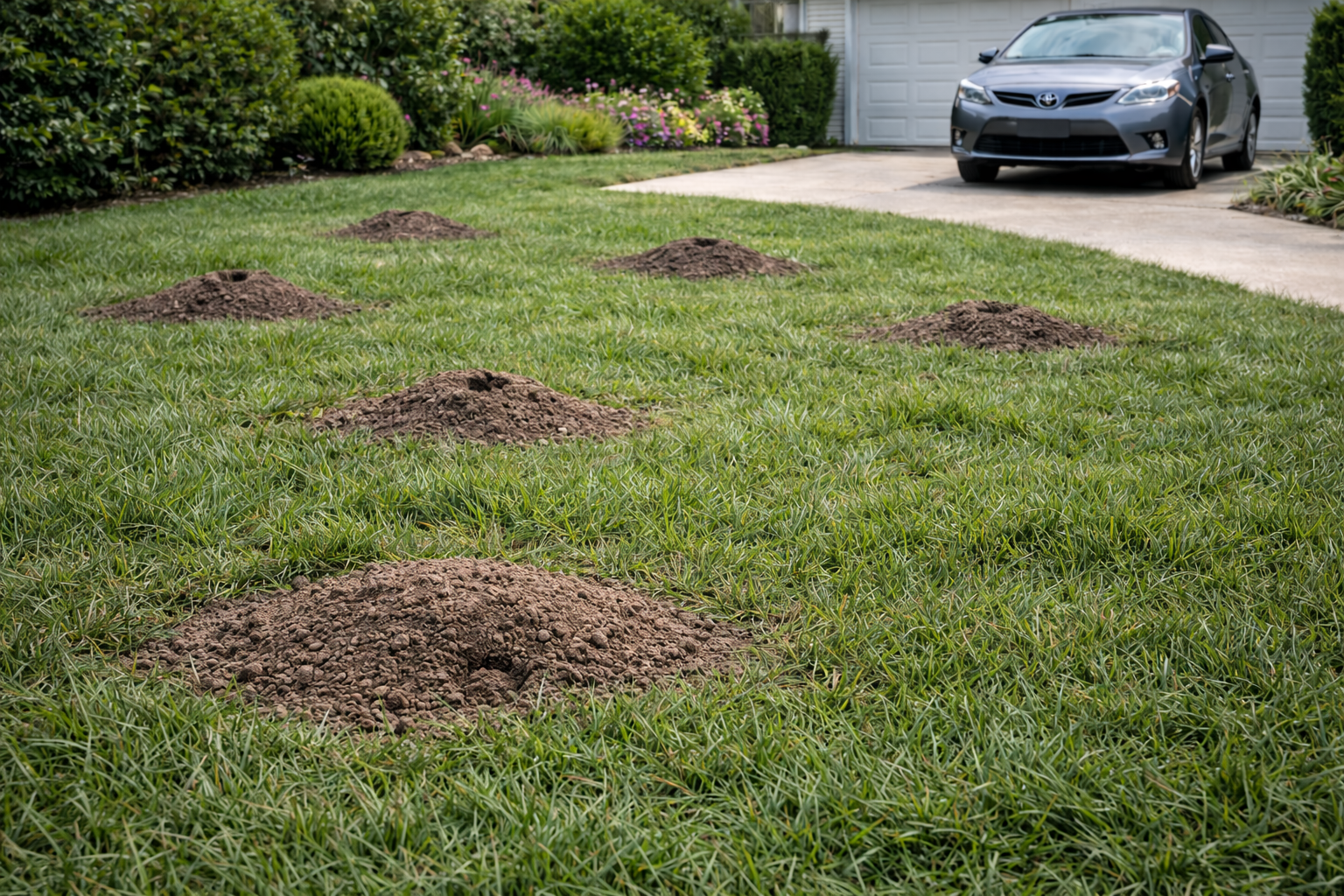
Gopher Activity in Granada Hills, CA
Granada Hills, located in the northern San Fernando Valley region of Los Angeles, experiences persistent gopher activity due to its unique combination of residential landscaping, irrigation infrastructure, and proximity to undeveloped hillside terrain. The community's blend of suburban homes, community gardens, and maintained green spaces creates ideal conditions for pocket gophers to establish and expand their tunnel systems. Understanding gopher behavior and activity patterns in this specific neighborhood helps residents recognize problems early and make informed decisions about property management.
Why Granada Hills Has Significant Gopher Activity
The geographical and environmental characteristics of Granada Hills make it particularly susceptible to gopher colonization and persistence. The area sits in the San Fernando Valley basin with elevation ranging from approximately 900 to 2,000 feet, particularly where properties approach the foothills and Santa Susana Mountains to the north. The soil composition throughout most residential Granada Hills consists of sandy loam to clay loam types, which are ideal for gopher burrowing—these soils are firm enough to hold tunnel structure but soft enough to excavate without excessive energy expenditure.
Irrigation is a critical factor in Granada Hills gopher activity. The region receives limited natural rainfall, with most precipitation occurring between November and March, averaging around 15 inches annually. Consequently, virtually all landscaped properties depend on sprinkler systems, drip irrigation, and regular watering to maintain lawns, trees, and ornamental plantings. This consistent soil moisture from irrigation creates year-round suitable conditions for gopher tunneling and root access to planted material. Additionally, Granada Hills' proximity to the Santa Susana Mountains and undeveloped open space areas means gopher populations maintain natural reservoirs in wild chaparral and grassland habitats. Gophers dispersing from these areas naturally colonize suburban properties, particularly those adjacent to or with clear sightlines toward undeveloped land.
Common Gopher Species in Granada Hills
The Botta's pocket gopher (Thomomys bottae) is the predominant gopher species throughout Granada Hills and the broader San Fernando Valley region. This medium-sized rodent measures approximately 5 to 6 inches in body length, with a short tail typically 1 to 1.5 inches long. Coloration varies from light brown to dark brown, with fur that is often slightly darker along the spine. The species' most distinctive features include small rounded ears, small dark eyes positioned on the sides of the head, and powerful front legs equipped with large claws adapted for digging.
Botta's pocket gophers derive their name from the external cheek pouches (or "pockets") that extend from the mouth to the shoulders, used exclusively for carrying food and nesting material rather than for temporary storage. These animals are solitary and highly territorial, with individual gophers maintaining exclusive control over their tunnel systems. In Granada Hills' residential environment, each tunnel system typically represents a single animal, though multiple systems may exist within the same yard. The species is active year-round and does not hibernate. Adult Botta's pocket gophers reach sexual maturity by 2 months of age and can reproduce multiple times per year under ideal conditions. Their presence in Granada Hills yards is confirmed through characteristic surface mounding and feeding evidence rather than visual sightings, as the animals spend the vast majority of their time underground.
When Gopher Activity Peaks in Granada Hills
Gopher activity in Granada Hills follows seasonal patterns influenced by the region's climate and breeding cycles, though activity occurs throughout the year. The most noticeable and intensive gopher activity occurs during late winter and early spring, specifically from January through March. This period corresponds with gopher breeding season, when males actively search for mates by expanding and extending their tunnel systems. Increased tunneling activity during these months results in visible mounding that often prompts property owners to notice and report gopher presence for the first time.
Spring rains in Granada Hills, concentrated primarily in February and March, further intensify gopher activity by softening soil and making excavation easier. The combination of breeding season tunneling activity and optimized digging conditions from moisture creates a marked increase in surface evidence. Secondary peaks in activity occur during early fall (August through September) when juvenile gophers disperse from parent tunnel systems and establish new territories. Summer months tend to show reduced surface activity in Granada Hills, partly due to harder, drier soil conditions and partly because established animals remain within existing tunnel systems with adequate food resources. However, this apparent reduction in activity does not indicate reduced gopher populations—animals are still present and actively feeding below ground. Year-round irrigation in residential yards somewhat obscures these natural seasonal patterns, potentially allowing breeding and dispersal to occur outside typical timeframes.
Signs of Gopher Damage in Granada Hills Yards
Identifying gopher presence in Granada Hills properties requires recognizing specific signs of their activity. The most obvious indicator is the appearance of fresh mounds—conical piles of excavated soil pushed up through the surface as gophers create and maintain their tunnel systems. In Granada Hills' sandy loam soils, mounds typically measure 4 to 8 inches in diameter and 2 to 4 inches in height. Fresh mounds appear relatively uniform in texture with no clear entrance hole, as gophers typically plug tunnel openings. Older mounds become flattened and may develop visible vegetation or weathering. Multiple mounds appearing in a yard within a short timeframe strongly indicate active gopher presence rather than historical damage.
Irrigation system damage is another critical sign of gopher presence in Granada Hills. As gophers tunnel through yards, they frequently intersect underground irrigation lines, chewing through poly tubing or PVC pipe and creating leaks or complete line failures. Property owners often discover this damage when portions of their landscape suddenly wilt despite operating irrigation systems. Plants in Granada Hills yards show characteristic gopher feeding damage including wilting, yellowing, or death of individual plants or small plant clusters corresponding to tunnel locations. Root systems of trees and shrubs may show gnawing marks or severed roots where gophers have accessed them through tunnels. In vegetable gardens or newly planted areas, seedlings disappear or show evidence of being pulled underground by feeding gophers.
Landscape Considerations for Granada Hills Properties
Granada Hills landscaping typically reflects Southern California suburban aesthetic preferences with an emphasis on water-wise design in recent years, though many established properties maintain more water-intensive landscapes reflecting earlier development patterns. Common plantings include California native shrubs such as manzanita, California lilac, and toyon, alongside introduced ornamental species and productive fruit trees. The area's Mediterranean climate and relatively moderate temperatures year-round support diverse plant palettes. These landscape choices have direct implications for gopher vulnerability and management.
Certain plants common in Granada Hills yards are particularly attractive to gophers or particularly vulnerable to damage. Trees such as fruit varieties (citrus, stone fruits, apple) planted throughout the neighborhood are highly favored gopher foods, with animals accessing roots and lower bark through tunnel systems. Newly planted trees and shrubs are especially vulnerable during establishment phases when root systems are still developing. Conversely, some plants present physical or chemical barriers that discourage gopher feeding, including plants with toxic properties, tough fibrous root systems, or strong odors. Properties relying heavily on softscape (planted areas, lawns, gardens) universally provide more gopher habitat than those with extensive hardscape (patios, decking, pools, driveways). However, even properties with substantial hardscape remain vulnerable if surrounding landscaping and irrigation maintain suitable conditions. Granada Hills' diverse neighborhood character means gopher management approaches must be tailored to specific property layouts, local soil conditions, and individual landscape composition.
For professional gopher control in Southern California, visit Rodent Guys — serving Los Angeles, Orange, San Bernardino, and Riverside counties.