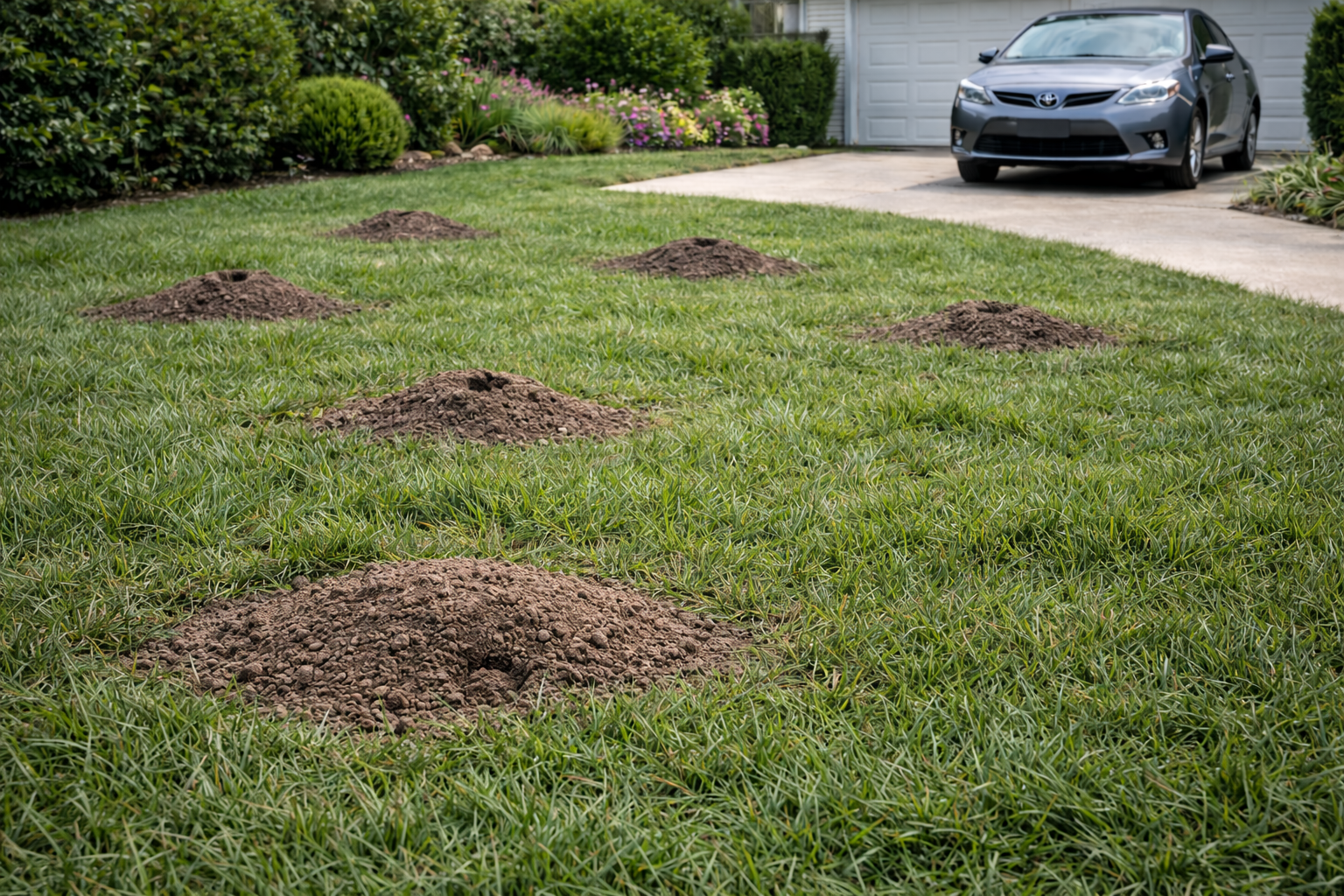
Gopher Activity in Hawthorne, CA

Gophers are a persistent presence throughout Hawthorne, California, where the combination of favorable soil conditions, extensive residential landscaping, and proximity to undeveloped land creates ideal habitat for these burrowing rodents. Property owners across the city—from the neighborhoods near El Camino College to the residential areas bordering Inglewood and Lawndale—regularly encounter evidence of gopher tunneling beneath lawns and gardens. Understanding gopher activity patterns specific to Hawthorne's climate and geography helps residents recognize problems early and appreciate the scope of the issue in this South Bay community.

Why Hawthorne Has Significant Gopher Activity

Hawthorne's environment supports robust gopher populations for several interconnected reasons. The city sits on the coastal plain of Los Angeles County, where the underlying soil composition consists primarily of fine sandy loam and silt loam—exactly the type of substrate that gophers excavate with ease. These soils, deposited during ancient coastal processes, lack the heavy clay content that would make tunneling difficult, allowing gophers to create extensive burrow systems with minimal energy expenditure.

The region's Mediterranean climate, characterized by mild winters and warm, dry summers, permits year-round gopher activity. While other regions experience dormancy periods during harsh winters, Hawthorne's average January low temperature of 48°F and minimal frost occurrence mean gophers remain active throughout the year, continuously foraging and expanding their territories. The city receives approximately 12 inches of annual rainfall, concentrated primarily between November and April, which softens soil conditions in winter and spring—the peak periods for gopher burrowing and movement.

Irrigation infrastructure compounds the problem substantially. Hawthorne's residential neighborhoods, business districts, and public spaces rely heavily on irrigation systems to maintain landscaping in the naturally arid South Bay climate. These systems create zones of consistent soil moisture that gophers exploit as foraging corridors. Additionally, the landscaping itself—featuring ornamental plants, fruit trees, and turf grass throughout neighborhoods near Inglewood Avenue, El Camino College, and south toward Manhattan Beach Boulevard—provides abundant food sources that concentrate gopher populations in residential areas. The proximity of undeveloped land, including natural areas to the east and south, serves as a persistent source of gopher dispersal into developed zones.

Common Gopher Species in Hawthorne

The Botta's pocket gopher (Thomomys bottae) is the predominant gopher species inhabiting Hawthorne and most of Southern California's coastal plain regions. This medium-sized rodent measures approximately 5 to 6 inches in body length, with an additional 1 to 2 inches of tail, making it substantially larger than some other pocket gopher species found elsewhere in California's interior valleys. Botta's pocket gophers display the characteristic features of the genus: robust, compact bodies adapted for excavation; powerful front legs with enlarged claws for digging; small eyes positioned high on the skull; and distinctive external cheek pouches used for transporting food and nesting material.

The coloration of Botta's pocket gophers in the Hawthorne area typically ranges from gray-brown to dark brown, allowing effective camouflage in local soils. Their fur is relatively coarse compared to other pocket gopher species, reflecting adaptation to the sandy, abrasive soils of the coastal plain. These gophers are solitary animals outside of breeding season, with each individual or pair maintaining a dedicated burrow system that may extend across several hundred square feet depending on food availability and soil conditions.

Botta's pocket gophers are active foragers throughout the upper soil layers, typically working within the top 12 inches where roots concentrate and moisture retention is optimal. In Hawthorne's landscaped properties, they particularly favor the root systems of ornamental plants, vegetables, and ground covers, as well as irrigated turf grass. Their burrowing creates the characteristic volcano-shaped mounds visible across affected yards, and they rarely venture above ground, instead pulling vegetation down into tunnel openings to feed.

When Gopher Activity Peaks in Hawthorne

Gopher activity in Hawthorne demonstrates distinct seasonal patterns tied to local precipitation, breeding cycles, and food availability. The most intense period of visible activity occurs during late winter and spring, roughly January through April, when several factors align. Winter and early spring rains soften Hawthorne's typically compacted soils, making excavation significantly easier. These same rains promote germination of seeds and emergence of annual plants that provide concentrated nutrition for gophers, incentivizing dispersal and territorial expansion.

The breeding season for Botta's pocket gophers in the Hawthorne area typically spans January through March, with peak mating activity occurring in February and early March. During this period, males range more widely in search of breeding females, resulting in increased tunnel construction and more visible surface mounds as gophers actively excavate new burrow systems. Young gophers, born after spring gestation periods, emerge from maternal burrows in late April and May, establishing independent territories and creating another wave of mounding activity visible across residential properties.

Summer months, typically June through September, show reduced but consistent activity. While Hawthorne's warm, dry conditions stress many local plants and reduce available vegetation, the extensive irrigation systems throughout residential neighborhoods maintain soil moisture and available food. Gophers continue tunneling beneath irrigated lawns and landscaping throughout summer, though surface evidence may be less conspicuous than during spring months. Fall activity increases again in October and November as gophers prepare for winter breeding season and take advantage of autumn plant growth stimulated by cooling temperatures.

Signs of Gopher Damage in Hawthorne Yards

The most obvious evidence of gopher presence in Hawthorne properties consists of the characteristic mounds of excavated soil. These mounds, typically 3 to 6 inches in height and 4 to 8 inches in diameter, appear across lawns and garden beds as gophers push soil to the surface while constructing and maintaining their burrow systems. Unlike mole mounds, which consist of loosely heaped material, gopher mounds often display a plugged center where the gopher has sealed the tunnel opening, and the soil composition typically matches the local sandy loam characteristic of Hawthorne's subsurface layers.

Beyond surface mounding, gophers damage the irrigation infrastructure that pervades Hawthorne's landscaping. Gopher tunnels frequently intersect with irrigation lines, drip tubing, and sprinkler risers, either crushing the equipment directly or creating pathways that allow soil washout and system failure. Property owners often discover irrigation problems only when brown patches appear in previously maintained turf or when water bills spike unexpectedly from undetected leaks underground.

Plant damage represents another significant indicator of gopher activity. Gophers girdle the roots of ornamental plants, fruit trees, and shrubs throughout Hawthorne's residential neighborhoods, causing sudden wilting and decline even when surface conditions appear adequate. They pull young plants entirely underground to feed on foliage, creating mysterious disappearances of recently planted specimens. Existing landscape trees, particularly young specimens like the fruit trees and ornamental varieties common in Hawthorne yards, show stress symptoms including chlorotic (yellowing) foliage and branch dieback when gopher activity damages critical root structure. Vegetable gardens suffer severely, with gophers consuming newly germinated seeds, seedling transplants, and underground portions of crops like carrots, potatoes, and beets.

Landscape Considerations for Hawthorne Properties

Hawthorne's dominant landscape aesthetic reflects the broader South Bay residential character, emphasizing low-water plants, turf grass, and mixed hardscape features adapted to the region's Mediterranean climate and modest precipitation. Most properties feature combinations of established trees, drought-tolerant shrubs, groundcovers, and irrigated turf lawn, creating the soft landscape environment that gophers exploit extensively. The prevalence of irrigation infrastructure—essential for maintaining these landscapes in Hawthorne's naturally arid conditions—simultaneously creates the consistent soil moisture that attracts and sustains gopher populations throughout the city.

Certain plant species commonly found in Hawthorne landscaping prove particularly vulnerable to gopher predation. Fruit trees, especially young specimens of citrus, stone fruits, and ornamental varieties, attract gophers seeking nutritious root material. Ornamental flowering plants like roses, which appear frequently in established Hawthorne gardens, face root damage from gophers tunneling through beds. Ground covers and low shrubs commonly used in South Bay xeriscaping—including various species of sedums, salvia, and native California plants—suffer damage when gophers tunnel through the soil immediately beneath them.

The choice between hardscape and softscape features influences gopher presence and damage potential in Hawthorne yards. Properties with extensive hardscape elements—patios, walkways, decorative rock features, and paved areas—provide barriers that somewhat impede gopher tunneling and reduce available habitat for burrowing. Conversely, properties dominated by softscape, particularly those with broad expanses of irrigated turf lawn or extensive planted beds, offer optimal conditions for gopher colonization. Many Hawthorne homeowners and property managers find that balancing aesthetic preferences with practical hardscape integration presents challenges when managing gopher activity across their properties.