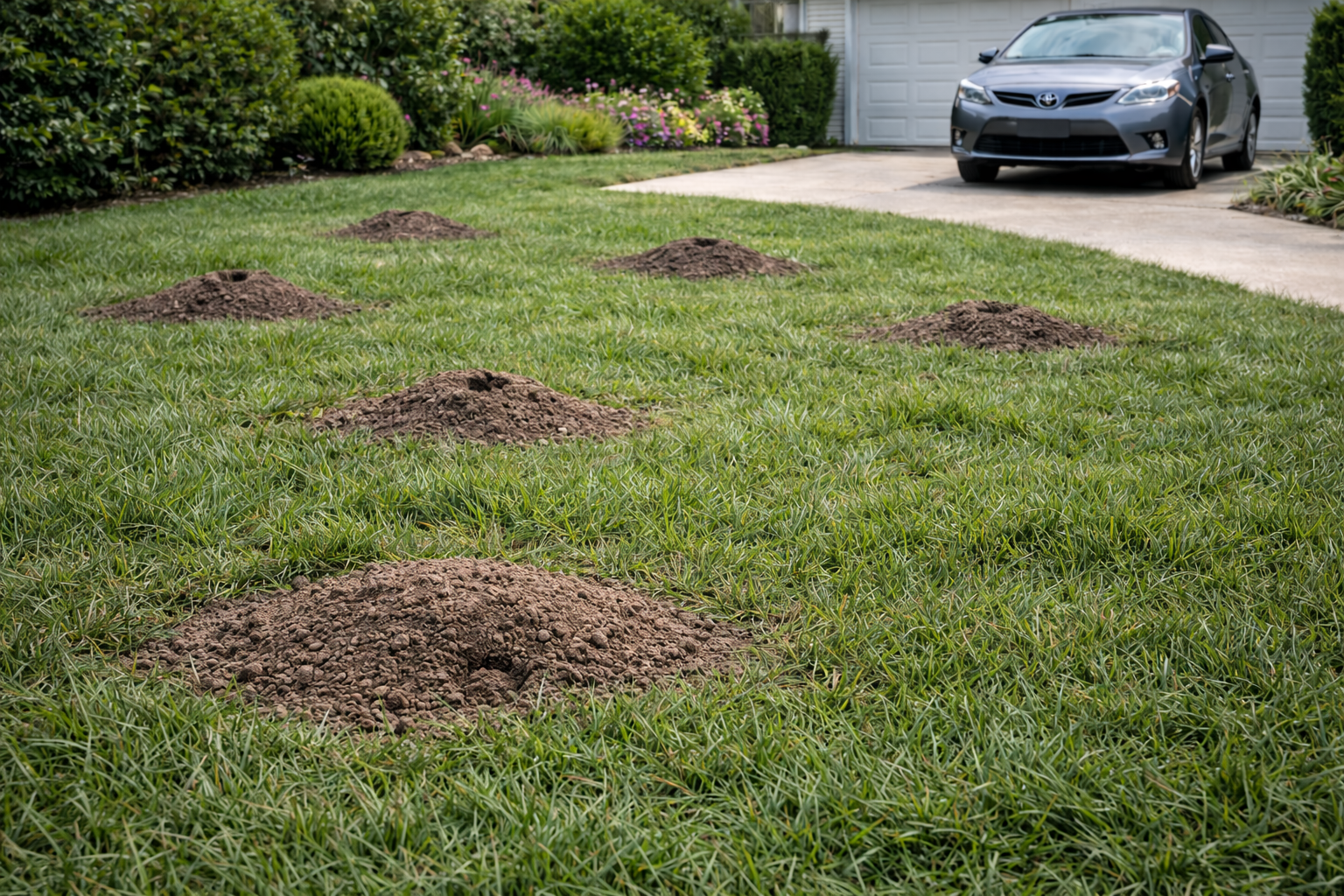
Gopher Activity in Inglewood, CA

Gophers are a common wildlife presence throughout Inglewood, California, a densely populated city in Los Angeles County situated between the Los Angeles International Airport and the Baldwin Hills. The combination of residential yards, parks, and irrigated landscaping creates ideal conditions for pocket gopher populations to establish and thrive across the city's neighborhoods. Understanding gopher behavior, seasonal patterns, and damage indicators helps Inglewood residents recognize activity on their properties and make informed decisions about management strategies.

Why Inglewood Has Significant Gopher Activity

Inglewood's geographic location and environmental conditions make it particularly suitable for pocket gopher populations. The city sits on the coastal plains of Los Angeles County, where soils are predominantly sandy loam and clay loam—both textures that pocket gophers find easy to excavate. These soil compositions allow gophers to create extensive tunnel systems with minimal effort, making burrow construction efficient and sustainable throughout the year.

Water availability represents another critical factor in Inglewood's gopher activity. The city receives approximately 15 inches of annual rainfall, concentrated primarily between November and March. More significantly, Inglewood's residential neighborhoods rely heavily on irrigation systems to maintain lawns, ornamental gardens, and landscaping throughout the drier months of spring through fall. This consistent soil moisture—whether from rain or sprinkler systems—keeps the ground workable and encourages gopher foraging activity, as moist soil contains more accessible plant roots and invertebrate prey.

Inglewood's proximity to natural habitat areas also contributes to gopher populations. The Baldwin Hills, located directly east of the city, contain chaparral and grassland ecosystems where pocket gopher colonies naturally occur. Additionally, the numerous parks and green spaces distributed throughout Inglewood's neighborhoods—including parks along the Centinela Creek drainage—provide corridors and habitat patches where gophers move between residential properties and semi-wild areas. These factors combine to create a landscape where gopher colonization and sustained activity are both common and expected.

Common Gopher Species in Inglewood

The Botta's pocket gopher (Thomomys bottae) is the predominant gopher species throughout Inglewood and the broader Los Angeles County region. Named after naturalist Paulo Botta, this species is medium-sized, typically measuring 5 to 7 inches in body length, with small rounded ears, small eyes adapted for subterranean life, and large front teeth designed for digging and gnawing. The fur is generally brown to grayish-brown, though color variation occurs depending on local soil composition—gophers in Inglewood often display darker coloring due to the region's clay and silt soils.

Botta's pocket gophers possess the distinctive anatomical features characteristic of their family: external cheek pouches (used to transport food and nesting material), powerful front legs with elongated claws, and a compact body shape optimized for tunnel navigation. An adult Botta's gopher weighs approximately 2 to 4 ounces, making them small enough to occupy burrows that residents might initially underestimate.

In Inglewood specifically, Botta's pocket gophers prefer areas with reliable soil moisture and abundant vegetation. They are most commonly found in residential yards with established gardens, maintained lawns, and ornamental plantings rather than in completely urban hardscaped areas. The species is strictly solitary and territorial, with each burrow system typically occupied by a single adult gopher except during brief mating periods. This solitary nature means that multiple mounds or tunnel systems in a yard usually indicate separate individuals rather than family groups or colonies.

When Gopher Activity Peaks in Inglewood

Gopher activity in Inglewood follows distinct seasonal patterns tied to the region's climate and the reproductive biology of Botta's pocket gophers. The breeding season typically occurs between January and March, corresponding with late winter and early spring in Southern California. During this period, gophers increase their above-ground and near-surface activity as males search for mates and females prepare nesting chambers. Residents frequently observe more fresh mounds and tunnel damage during these months as gopher populations become more active and visible.

Spring through early summer (March through June) represents another period of heightened activity. The winter and spring rains in Inglewood soften the soil, making excavation easier and keeping vegetation lush and nutritious. Gophers take advantage of these conditions to expand tunnel systems and feed on new plant growth. Additionally, young gophers born during winter breeding emerge and become active during spring and early summer, increasing overall disturbance to yard surfaces.

Activity typically decreases during summer months (July through September) when soil moisture becomes limited and Inglewood experiences hot, dry conditions. However, the widespread use of irrigation systems in residential neighborhoods means that gopher activity continues year-round in many Inglewood yards, particularly those receiving regular watering. Fall (October through December) generally sees moderate activity levels as soil temperatures decline and day length shortens, though gophers remain active in irrigated landscaping. Understanding these seasonal patterns helps residents anticipate when damage is most likely and when management efforts might be most effective.

Signs of Gopher Damage in Inglewood Yards

The most visible indicator of gopher activity is the characteristic mound—a crescent or horseshoe-shaped pile of soil pushed to the surface as the gopher excavates tunnels. In Inglewood yards, these mounds typically measure 4 to 8 inches in diameter and 2 to 4 inches in height, though size varies with soil composition and tunnel depth. The mounds appear scattered across lawns, garden beds, and landscaped areas with no apparent pattern. Unlike mole mounds, gopher mounds are often asymmetrical, and the burrow entrance is usually plugged with soil rather than left open, making active gopher tunnels difficult to locate precisely.

Gopher damage to irrigation systems is particularly common in Inglewood's irrigated landscapes. The rodents chew through drip irrigation lines, soaker hoses, and PVC pipe as they tunnel through yards, causing leaks, water waste, and localized dry patches where water delivery fails. Garden beds with irrigation often show irregular wet spots and unexpectedly dry areas corresponding to damaged lines.

Plant damage represents another significant indicator of gopher activity. Gophers consume plant roots, bulbs, and tubers from below ground, causing sudden wilting, yellowing, or death of established plants without obvious above-ground cause. Ornamental plants, vegetable gardens, and shrubs throughout Inglewood commonly experience this type of damage. In severe infestations, entire sections of landscaping may die as gophers consume root systems. Additionally, gophers sometimes pull plants downward into their tunnels to store as food, creating the appearance of plants sinking into the ground. Fresh vegetation damage, combined with mounds and burrow plugs, confirms active gopher presence.

Landscape Considerations for Inglewood Properties

Inglewood's residential landscape aesthetic has evolved significantly since the city's early development, with contemporary properties displaying diverse landscaping styles reflecting the community's cultural diversity and changing water-conservation values. Traditional large lawn areas remain common in established neighborhoods like Morningside Park and areas near Centinela Boulevard, while increasingly, residents adopt drought-tolerant native plantings and hardscaped designs to reduce water consumption. This landscape diversity creates variable levels of gopher vulnerability across the city.

Properties with extensive irrigated turf grass and ornamental gardens present ideal conditions for gopher activity. Common Inglewood landscaping plants vulnerable to gopher damage include flowering shrubs such as roses, California lilac (Ceanothus), and flowering plum—popular choices in local designs. Vegetable gardens, fruit trees, and nut trees are particularly attractive to gophers. Established trees including coast live oak, Italian stone pine, and crape myrtle may suffer from gopher root damage, though mature trees' extensive root systems provide some resilience.

Hardscaped elements—concrete patios, pathways, driveways, and walls—do not provide gopher habitat, though gophers readily tunnel beneath hardscape to access irrigation and root systems on the other side. Properties transitioning to drought-tolerant native plantings with reduced turf and more hardscape generally experience lower gopher pressure, though active gophers present before landscape conversion may persist. Understanding that gophers respond to resource availability (moisture, soil workability, and food plants) helps residents recognize that landscape type and maintenance practices directly influence gopher population sustainability on their properties.