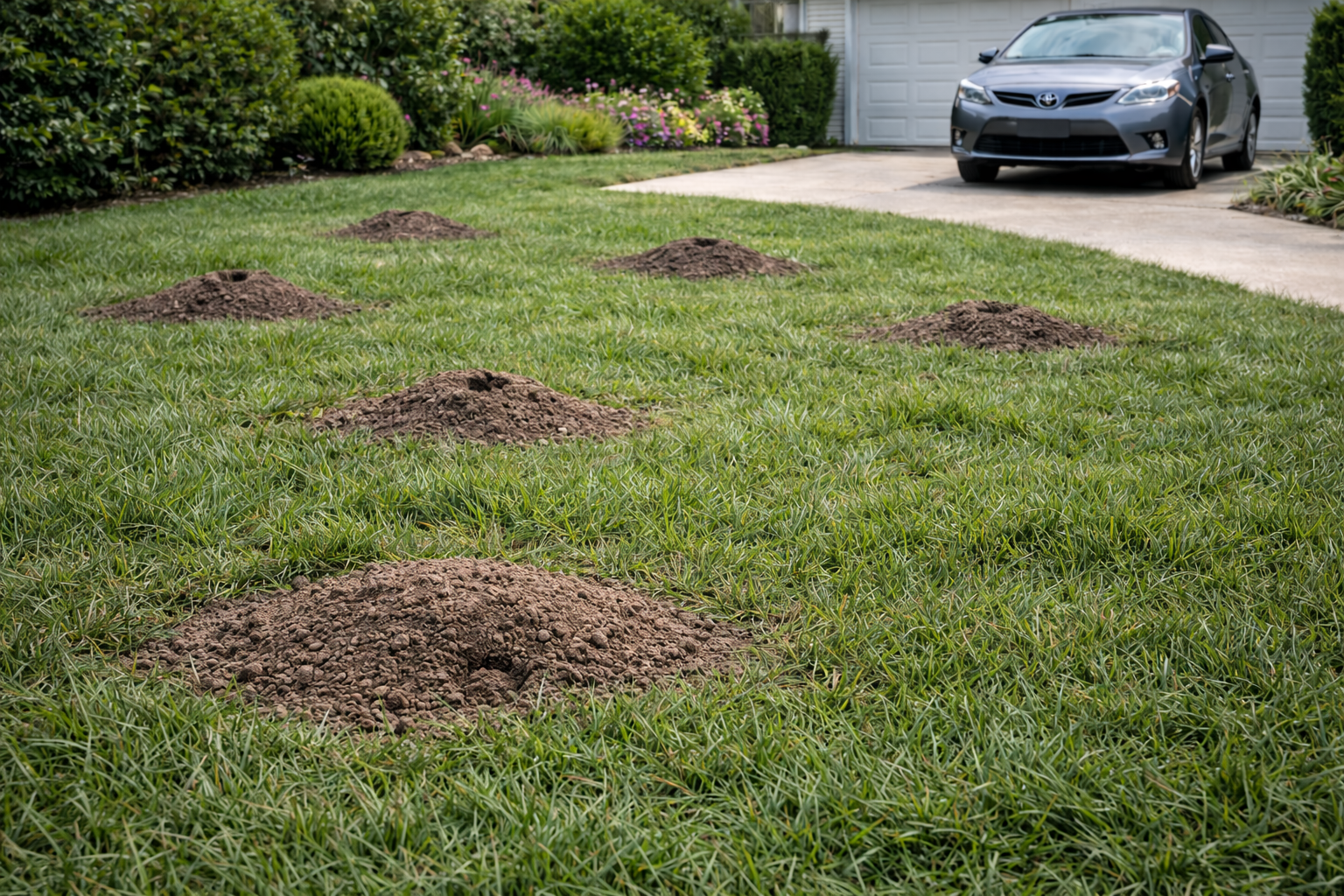
Gopher Activity in Irvine, CA

Gophers represent a persistent wildlife concern throughout Irvine, California, affecting residential yards, commercial landscapes, and golf courses across Orange County's master-planned communities. The city's unique combination of suburban development, irrigation infrastructure, and proximity to natural reserves creates ideal conditions for pocket gopher populations to thrive year-round. Understanding gopher behavior and seasonal activity patterns helps property owners in Irvine recognize and respond to infestations before damage becomes extensive.

Why Irvine Has Significant Gopher Activity

Irvine's geographical and environmental characteristics make the region particularly susceptible to gopher colonization. The city sits within Orange County's coastal basin, an area characterized by sandy loam and clay loam soils that gophers find ideal for burrowing. These soil types, prevalent across Irvine's neighborhoods from Northwood to Woodbridge and throughout the newer developments in the Spectrum area, offer minimal resistance to tunnel construction while maintaining structural integrity that prevents collapse.

The extensive irrigation systems installed throughout Irvine's residential and commercial properties create consistent soil moisture—a critical factor attracting gophers. Master-planned communities throughout the city feature elaborate landscaping schemes with regular watering schedules that keep soil conditions favorable for gopher activity during dry months when native habitats become less hospitable. Additionally, Irvine's Mediterranean climate, with mild winters and warm, dry summers, allows gophers to remain active throughout the year, with population growth accelerating during breeding season.

Proximity to natural open spaces and preserves, including the San Joaquin Wildlife Sanctuary and various coastal sage scrub habitats, maintains a robust reservoir of gopher populations that continuously recolonize suburban properties. Unlike regions with harder clay or rocky soils, Irvine's landscape provides minimal natural barriers to gopher expansion.

Common Gopher Species in Irvine

The Botta's pocket gopher (Thomomys bottae) represents the dominant gopher species throughout Irvine and the broader Southern California region. These medium-sized rodents typically measure 5 to 7 inches in body length, with an additional 1 to 2 inches of tail. They possess stocky, robust builds with powerful forelimbs adapted for digging, small eyes positioned high on their heads, and prominent incisors that continuously grow throughout their lives.

Botta's pocket gophers display fur coloration ranging from brown to grayish-brown, with considerable variation based on local soil composition. Irvine gophers frequently exhibit darker coloration in areas with more clay-rich soils, particularly in neighborhoods where underlying geology includes older alluvial deposits. The species derives its common name from the external cheek pouches used to transport food and nesting materials, a characteristic that distinguishes pocket gophers from other burrowing rodents.

These solitary animals inhabit underground burrow systems that can extend 100 feet or more across a property. Within Irvine's suburban landscape, individual gophers typically claim territories encompassing quarter-acre to acre-sized areas, depending on soil quality and food availability. The animals emerge above ground only briefly and under cover of darkness, preferring to conduct virtually all activity within their protected tunnel networks. This reclusive behavior explains why property owners often discover gopher presence only after mounds accumulate or significant plant damage becomes visible.

When Gopher Activity Peaks in Irvine

Gopher activity in Irvine follows predictable seasonal patterns influenced by the region's climate and the animals' reproductive cycle. Breeding season typically extends from January through March, a period during which male gophers increase tunnel construction and surface activity while searching for mates. This heightened activity often creates the most visible evidence of infestation, with fresh mounds appearing frequently across affected properties.

Spring months from March through May represent the secondary peak period for gopher activity, coinciding with increased irrigation frequency and lush vegetation growth across Irvine's landscapes. The combination of soil moisture from spring watering schedules and abundant food sources—tender plant roots, bulbs, and shoots—encourages population expansion and colony establishment. Property owners frequently notice damage during this window as expanding gopher populations exploit newly irrigated yards.

Summer months bring reduced surface activity as Irvine's heat increases and irrigation schedules shift, though gophers remain active underground. Fall conditions, extending into November and December, see moderate activity resurgence as soil moisture returns and gophers forage in preparation for winter months. Even during winter, when temperatures rarely drop below freezing in Irvine, gophers maintain year-round activity within their burrow systems, accessing stored food and continuing to tunnel-building activities. This continuous presence distinguishes Irvine's gopher situation from regions where seasonal dormancy reduces winter activity.

Signs of Gopher Damage in Irvine Yards

The most recognizable indicator of gopher presence in Irvine properties is the appearance of fresh mounds—crescent or horseshoe-shaped hills of excavated soil scattered across lawns and garden areas. These mounds typically measure 6 to 12 inches in diameter and 3 to 5 inches in height, with a characteristic plugged hole visible at the mound's apex where the gopher pushes soil upward from below. Fresh mounds appear softer and darker than older mounds, indicating recent construction within the previous one to three days.

Subsurface tunneling causes visible settling and shallow depressions across Irvine yards, creating an uneven lawn surface that becomes apparent during mowing or after rainfall when water pools above tunnel routes. Gophers frequently tunnel directly beneath plant roots, causing young trees, shrubs, and perennials throughout Irvine's typical landscapes to yellow, wilt, and die despite adequate water and sunlight. Vegetable gardens and newly planted ornamental beds suffer particular vulnerability, with gophers consuming or exposing root systems and bulbs from beneath the soil surface.

Irrigation system damage represents a significant secondary consequence of gopher activity, as tunneling rodents often sever drip lines, buried pipes, and low-voltage landscape lighting cables throughout Irvine properties. This damage forces water to pool within burrow systems, creating muddy sections and occasionally undermining pavement or hardscape features. Observing unexplained wet patches in landscapes where irrigation systems appear intact often indicates active gopher tunneling that has disrupted water delivery.

Landscape Considerations for Irvine Properties

Irvine's dominant landscape aesthetic features drought-tolerant Mediterranean plantings supplemented by established shade trees and ornamental shrubs throughout most residential neighborhoods. This style, while water-efficient, often includes plants that attract gophers, particularly the tender shoots and bulbs of flowering perennials commonly used in decorative borders. Drought-tolerant salvias, California poppies, and other native plantings provide adequate nutrition for gopher populations, while established live oaks and sycamores offer appealing root systems for burrowing and foraging.

Properties featuring extensive turf grass, common in older Irvine developments and commercial landscapes, experience visible gopher damage more readily than hardscaped properties. The contrast between mounded earth and manicured grass makes gopher activity immediately apparent, whereas similar burrowing activity beneath ground covers or mulched areas may go unnoticed for extended periods. Many Irvine property owners have shifted toward drought-resistant landscapes featuring artificial turf, xeriscaping, and hardscape elements, partly in response to water conservation pressures and partly to reduce gopher habitat suitability.

Raised garden beds, common in food-growing Irvine properties, require special consideration since gophers readily burrow upward through garden soil, accessing vegetables and ornamental plantings. Galvanized hardware cloth barriers installed beneath raised beds provide effective protection, though proper installation remains critical for long-term effectiveness. Properties with mature landscapes featuring established trees and developed root systems often support larger gopher populations since tunnel networks can utilize existing voids and root channels, creating complex systems that extend far across properties.