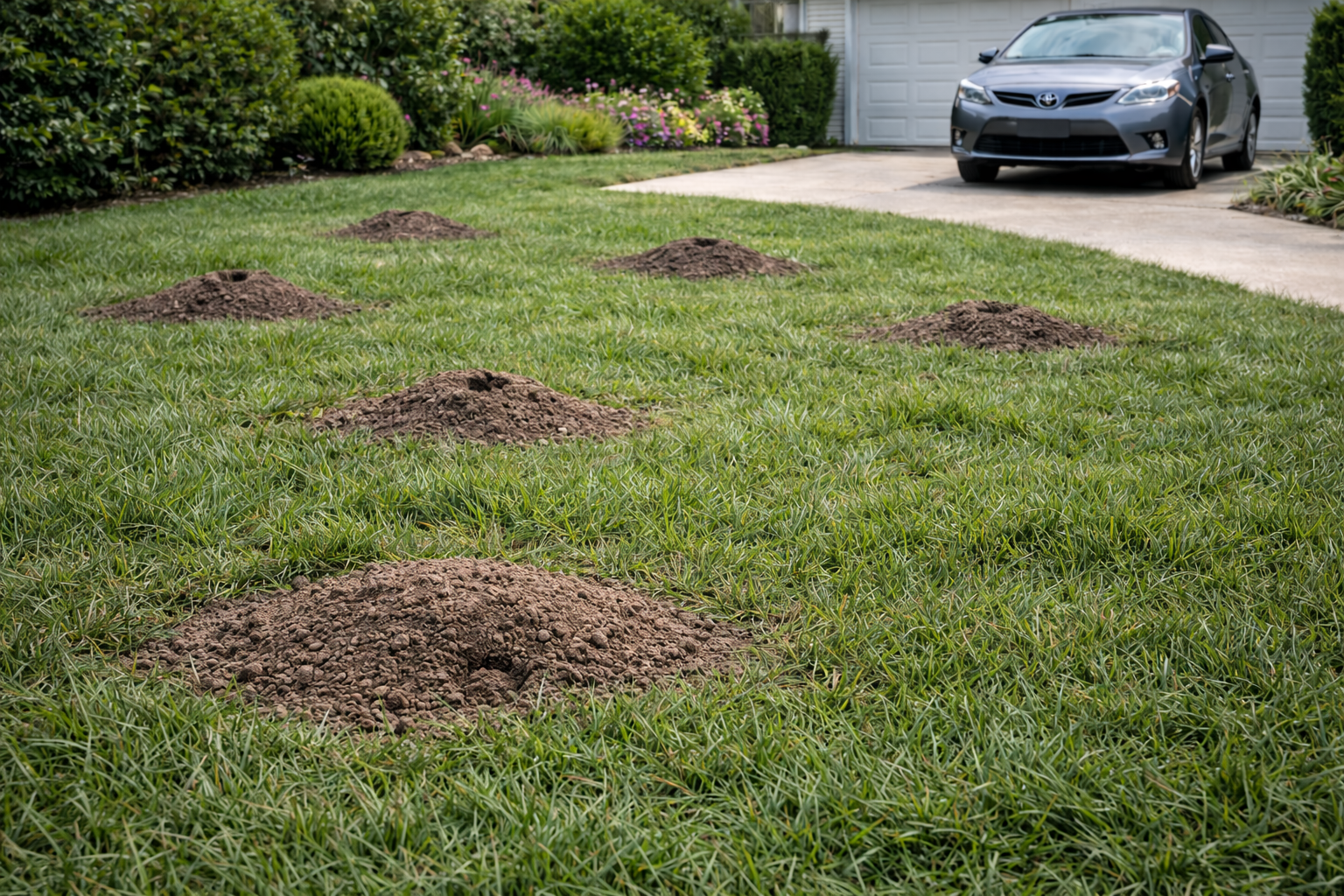
Gopher Activity in La Habra, CA

La Habra, nestled in northern Orange County between the Puente Hills and the Los Angeles County border, experiences consistent gopher activity due to its unique combination of soil composition, irrigation infrastructure, and proximity to natural habitats. Residents throughout the city—from the hillside neighborhoods near Hacienda Road to the flatter zones along Harbor Boulevard—frequently encounter evidence of gopher tunneling in their yards and landscaped areas. Understanding the patterns and causes of gopher presence in this specific region helps property owners recognize and respond to activity appropriately.

Why La Habra Has Significant Gopher Activity

La Habra's geography and environmental conditions create ideal circumstances for gopher populations. The city sits atop soils derived from alluvial deposits and weathered Puente Hills materials, which tend to be well-draining yet dense enough for tunnel construction—precisely the substrate that pocket gophers prefer for burrowing. The clay and sandy loam composition common throughout residential neighborhoods provides minimal resistance to excavation while offering structural stability for underground tunnel systems.

The region's Mediterranean climate, characterized by wet winters and dry summers, influences gopher behavior significantly. Between November and March, rainfall in La Habra averages 3 to 4 inches monthly, softening soil and triggering increased gopher activity as they expand tunnel networks and breed. The city's extensive irrigation systems—common in landscaped residential and commercial properties—maintain soil moisture even during dry months, effectively extending the optimal foraging season year-round.

La Habra's location also matters. The Puente Hills, which form the southern and eastern boundaries of the city, contain native habitat where gopher populations persist naturally. Properties adjacent to or within sight of these hillsides, particularly those in neighborhoods like Hacienda Heights or near the Los Coyotes Country Club, experience higher gopher pressure as animals disperse from wild areas into residential zones offering abundant food and water.

Common Gopher Species in La Habra

The Botta's pocket gopher (Thomomys bottae) is the dominant gopher species throughout La Habra and most of Orange County. Named for the large, fur-lined cheek pouches used for carrying food, Botta's pocket gophers are stocky rodents typically measuring 5 to 8 inches in body length, with a tail adding another 1 to 2 inches. Their fur ranges from light brown to nearly black, with considerable color variation even within a single yard or neighborhood.

These gophers are supremely adapted to digging, possessing powerful forelimbs, large claws, and a streamlined body that allows efficient movement through soil. Their small eyes and ears reflect their subterranean lifestyle; they spend the vast majority of their time underground, emerging only occasionally to gather vegetation near burrow entrances or to relocate to new territories. In La Habra's residential areas, Botta's pocket gophers construct extensive burrow networks that can span hundreds of feet, with multiple surface mounds indicating different tunnel entrances and ventilation shafts.

Solitary and territorial by nature, each gopher occupies an individual burrow system that it defends aggressively. A single property in La Habra might host multiple gophers if the available habitat supports several non-overlapping territories, which explains why yards sometimes show renewed activity even after apparent control measures. Understanding the solitary nature of these animals is crucial for recognizing that gopher problems typically involve multiple individual animals rather than a single invader.

When Gopher Activity Peaks in La Habra

Seasonal patterns in La Habra follow the gopher breeding cycle and moisture availability. Peak activity occurs between January and March, when soil moisture from winter rainfall reaches optimal levels and gophers enter their primary breeding season. During these months, animals are actively constructing new tunnels, establishing territories, and raising young, resulting in the most visible surface mounding and vegetation damage throughout La Habra neighborhoods.

Spring rains, which typically arrive in February and March in Orange County, further stimulate gopher activity. Saturated soil becomes easier to excavate, and increased plant growth provides abundant food resources. Property owners throughout La Habra frequently report discovering new mounds and damaged plants during this period. Activity remains elevated through April and May as young gophers disperse from maternal burrows and establish their own territories.

Summer months bring relative decline in visible activity, not because gophers disappear but because water-stressed soil becomes difficult to tunnel through, and summer dormancy reduces above-ground vegetation growth that gophers feed upon. However, irrigation systems in La Habra's landscaped yards maintain subsurface moisture, preventing the complete dormancy seen in non-irrigated areas. Fall activity remains moderate, with increased movement occurring as temperatures cool and soil moisture gradually increases ahead of winter rains. Understanding these seasonal patterns helps property owners anticipate when monitoring for new activity should intensify.

Signs of Gopher Damage in La Habra Yards

The most obvious indicator of gopher presence is mounding—the characteristic piles of excavated soil pushed to the surface as gophers construct and maintain tunnel systems. In La Habra's clay-rich soils, these mounds typically appear as asymmetrical humps 2 to 4 inches tall and 4 to 8 inches in diameter, often with a plugged burrow entrance on the side rather than at the apex. Mounds accumulate in clusters within active burrow systems, frequently appearing in lawns, planter beds, and areas beneath landscaping.

Irrigation damage represents a secondary but significant consequence of gopher activity. Tunneling gophers frequently sever polyethylene drip lines and damage buried irrigation pipes, causing water loss and creating wet spots that may appear unrelated to pest activity. Property owners in La Habra often notice irrigation inefficiency or standing water in specific yard zones before connecting the problem to gophers. Systematic damage to irrigation infrastructure can affect landscape health across large areas, particularly in neighborhoods relying on automated drip systems for plant establishment and maintenance.

Plant damage manifests in multiple ways. Gophers consume roots, bulbs, and tubers directly, causing wilting and death in ornamental plants, vegetables, and trees. In La Habra's typical residential landscaping, damage often appears in foundation plantings, vegetable gardens, and newly installed trees or shrubs. Gophers also clip stems and foliage while feeding near burrow entrances, creating ragged damage distinct from insect herbivory. Weakened or dying plants scattered throughout a yard, often without visible pest insects, frequently indicate gopher activity.

Landscape Considerations for La Habra Properties

La Habra's residential landscaping styles range from Mediterranean to contemporary native plant designs, with significant variation between neighborhoods. Hillside properties and those in established areas often feature mature citrus and avocado trees, along with ornamental plantings of liquidambar, crape myrtles, and Texas privet. Newer developments and drought-conscious properties increasingly incorporate California native plants including California buckwheat, toyon, and various sage species alongside traditional turf lawns or synthetic hardscape.

Gophers display varying vulnerability preferences among common La Habra landscape plants. Fruit trees, particularly young citrus and avocado trees so common in the region, face significant root damage and are highly vulnerable to gopher activity. Perennial vegetables and herbaceous plants including potatoes, carrots, and alyssum are consumed directly. Conversely, native California plants and certain ornamentals demonstrate greater tolerance, though no plant is entirely immune to gopher damage in areas with high animal pressure.

Hardscape design and material selection influence gopher impact on property aesthetics and function. Properties incorporating extensive patios, walkways, and raised planting beds (common in La Habra's drought-conscious newer construction) experience reduced gopher damage compared to properties with extensive in-ground planting and traditional lawns. Raised beds filled with imported soil can be effectively protected with hardware cloth barriers, whereas traditional in-ground plantings in La Habra's native soils remain vulnerable to burrowing from beneath. Irrigation planning also matters—drip systems installed above ground or protected within conduit experience fewer failures than buried lines vulnerable to tunnel damage.