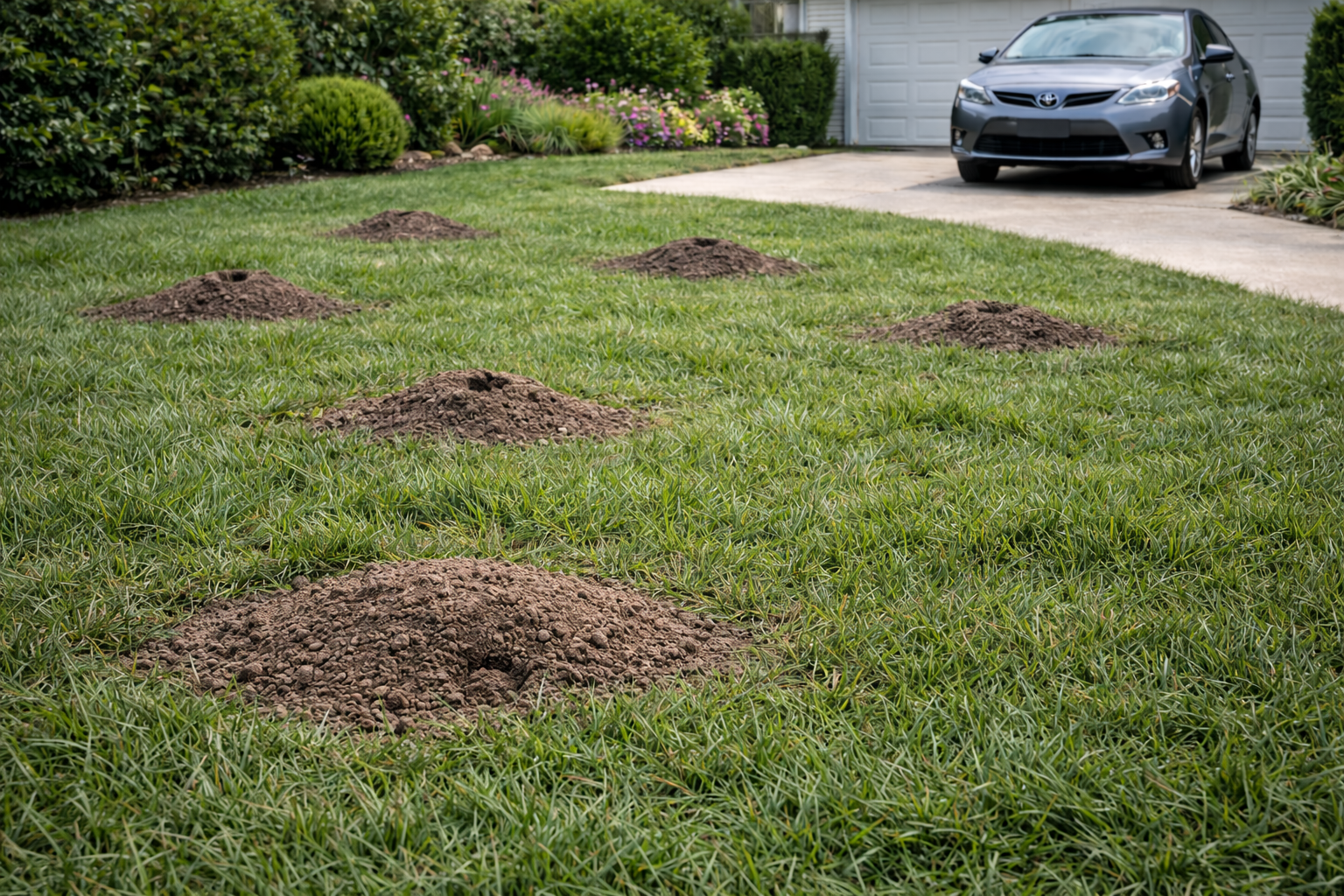
Gopher Activity in La Palma, CA

La Palma, a small residential community in northwestern Orange County, experiences consistent gopher pressure due to its favorable soil conditions, residential landscaping patterns, and proximity to undeveloped areas. The city's suburban character—with numerous single-family homes featuring yards and gardens—creates ideal habitat for pocket gophers. Understanding gopher behavior and activity patterns in this specific region helps residents recognize problems early and make informed decisions about property management.

Why La Palma Has Significant Gopher Activity

La Palma's geographic location and environmental conditions create particularly favorable circumstances for gopher populations. The city sits in a transitional zone between the developed suburbs of Orange County and remnants of the native coastal sage scrub and chaparral ecosystems that historically dominated this region. These undeveloped areas—including portions of nearby Cypress and remaining open spaces—serve as natural reservoirs for gopher populations that readily colonize adjacent residential properties.

The soil composition throughout La Palma strongly influences gopher abundance. Much of the area features silty loam and clay loam soils typical of coastal Orange County, which are ideal for burrowing and tunneling. These soil types are firm enough to maintain burrow structure but workable enough for pocket gophers to excavate efficiently. The region's relatively level terrain also makes tunneling less energetically demanding than in hillier areas, allowing gopher colonies to expand and proliferate.

Water availability plays a critical role in gopher presence. Most La Palma properties rely on irrigation systems to maintain lawns and ornamental plantings, particularly during the dry summers when native rainfall ceases. The combination of irrigated landscapes and year-round moisture creates permanent food sources and ideal living conditions. Additionally, the region's Mediterranean climate—with mild winters and warm, dry summers—allows gophers to remain active throughout the year, unlike populations in colder climates where winter dormancy reduces activity.

Common Gopher Species in La Palma

The Botta's pocket gopher (Thomomys bottae) is the primary species found throughout La Palma and the surrounding Orange County region. This medium-sized rodent typically measures six to eight inches in body length, with an additional two to three inches of short, nearly hairless tail. Their fur ranges from light brown to dark brown, often matching the local soil color—an adaptation that provides camouflage in their underground environment. Botta's pocket gophers possess distinctive features including large, prominent front teeth adapted for gnawing through soil and roots, and small eyes that reflect their subterranean lifestyle.

The species name reflects their most recognizable physical characteristic: fur-lined cheek pouches used to transport food and nesting material through their tunnel systems. These pouches extend from the corners of the mouth toward the shoulders, allowing gophers to carry substantial quantities of vegetation or soil without using their paws. Botta's pocket gophers are solitary animals that spend most of their lives underground, with males typically maintaining larger territories than females. In La Palma's residential areas, individual gophers establish burrow systems beneath yards and gardens, rarely encountering other gophers except during the breeding season. Their fossorial—or burrowing—adaptations make them highly specialized for subterranean life, with powerful front limbs and clawed feet perfectly suited for digging.

When Gopher Activity Peaks in La Palma

Gopher activity in La Palma follows seasonal patterns influenced by breeding cycles and local climate conditions. The primary breeding season extends from January through March, when males actively search for mates and tunnel activity increases noticeably. During this period, residents frequently observe fresh mounding activity and increased burrowing as gophers expand tunnel systems and move more frequently through their territories. This winter-to-spring transition represents the most visible time for gopher presence throughout the city.

Spring months bring additional activity increases as rising temperatures and spring rains enhance soil conditions. The region's Mediterranean climate typically produces modest rainfall from November through April, with January and February often bringing the wettest periods. These spring moisture conditions soften soil and increase plant growth, both of which stimulate gopher activity and burrowing. As root systems activate in response to spring growth and moisture, gophers access abundant food sources, encouraging population expansion and expansion of burrow networks.

Summer and fall activity generally decreases in visibility, though gophers remain actively burrowing beneath the surface. The dry season from May through October presents challenges as irrigation becomes necessary to maintain lawns and gardens, but the heat stress and reduced native plant growth limit obvious surface activity. However, gophers continue tunneling to access roots and underground vegetation. Late fall may see modest activity increases as gophers prepare burrow systems for winter and respond to autumn rains. Year-round activity remains possible in La Palma's mild climate, distinguishing the region from colder areas where winter dormancy is more pronounced.

Signs of Gopher Damage in La Palma Yards

The most obvious sign of gopher presence is the distinctive fan-shaped or crescent-shaped mounds of fresh soil that appear across lawns and garden beds. These mounds, typically three to six inches high and six to twelve inches in diameter, result from gophers pushing soil upward as they excavate horizontal burrow systems. In La Palma yards, these mounds often appear suddenly after rainfall or heavy irrigation when soil moisture makes digging easier. The characteristically asymmetrical shape—with soil piled predominantly on one side of the burrow opening—distinguishes gopher mounds from the more symmetrical mounds created by moles, another common burrowing pest in the region.

Subsurface damage extends beyond visible mounding. Gopher burrow systems damage underground irrigation lines, creating leaks that waste water and reduce irrigation efficiency. In La Palma properties with drip irrigation systems—common for water-conscious landscape management—gophers frequently sever lines while tunneling, necessitating repairs. Root damage presents another significant problem, as gophers girdle and consume roots of trees, shrubs, and perennials. Young plants and newly established landscaping suffer particularly severe damage. Residents may notice wilting, yellowing, or sudden death of plants without obvious above-ground causes, indicating underground root damage from gopher feeding.

Garden beds and vegetable plantings experience devastating losses to gopher activity. Root vegetables including carrots, turnips, and potatoes suffer direct gopher feeding damage. Bulb plantings like tulips and daffodils frequently show replanting failures as gophers consume newly planted bulbs. Lawn damage appears as irregular bare patches where gophers have disrupted turf as they tunnel beneath. In established La Palma neighborhoods with mature landscaping, valuable specimen plants and long-established trees may show sudden decline from accumulated gopher damage to supporting roots.

Landscape Considerations for La Palma Properties

La Palma's suburban character features diverse landscaping styles reflecting both water-conscious California native design and traditional turf-based yards. Many properties throughout the city maintain irrigated lawns paired with ornamental shrubs and foundation plantings typical of mid-20th century residential development. This landscape composition creates ideal gopher habitat by providing consistent soil moisture, abundant food sources, and protected burrowing areas beneath established plantings. Mature trees—including liquidambars, crape myrtles, and various oak species—provide both root systems attractive to gophers and structural stability that supports complex burrow networks.

Certain common La Palma plantings are particularly vulnerable to gopher damage. Young avocado and citrus trees, popular in Orange County residential settings, suffer severe root damage from gopher activity. Ornamental grasses, increasingly popular in contemporary landscaping, provide both food and soil disturbance that attracts gophers. Ground covers like ivy and perennials are frequently damaged by gopher burrowing beneath them. Conversely, properties with predominantly hardscape features—extensive patios, walkways, and driveways—generally experience less gopher activity since they limit burrowing areas and reduce underground food sources.

The transition between landscape types offers insights into gopher distribution across La Palma properties. Yards with mixed hardscape and softscape often show gopher activity concentrated in planted beds and lawn areas while hardscaped zones remain unaffected. Properties backing onto undeveloped areas or neighboring open spaces frequently experience more consistent gopher pressure due to proximity to source populations. Contemporary water-wise landscape approaches using mulched planting beds, native shrubs, and reduced turf can paradoxically increase gopher problems by providing protected burrowing areas and concentrated root systems in mulched zones. Understanding these landscape-gopher relationships helps La Palma residents make informed choices about property management and maintenance.