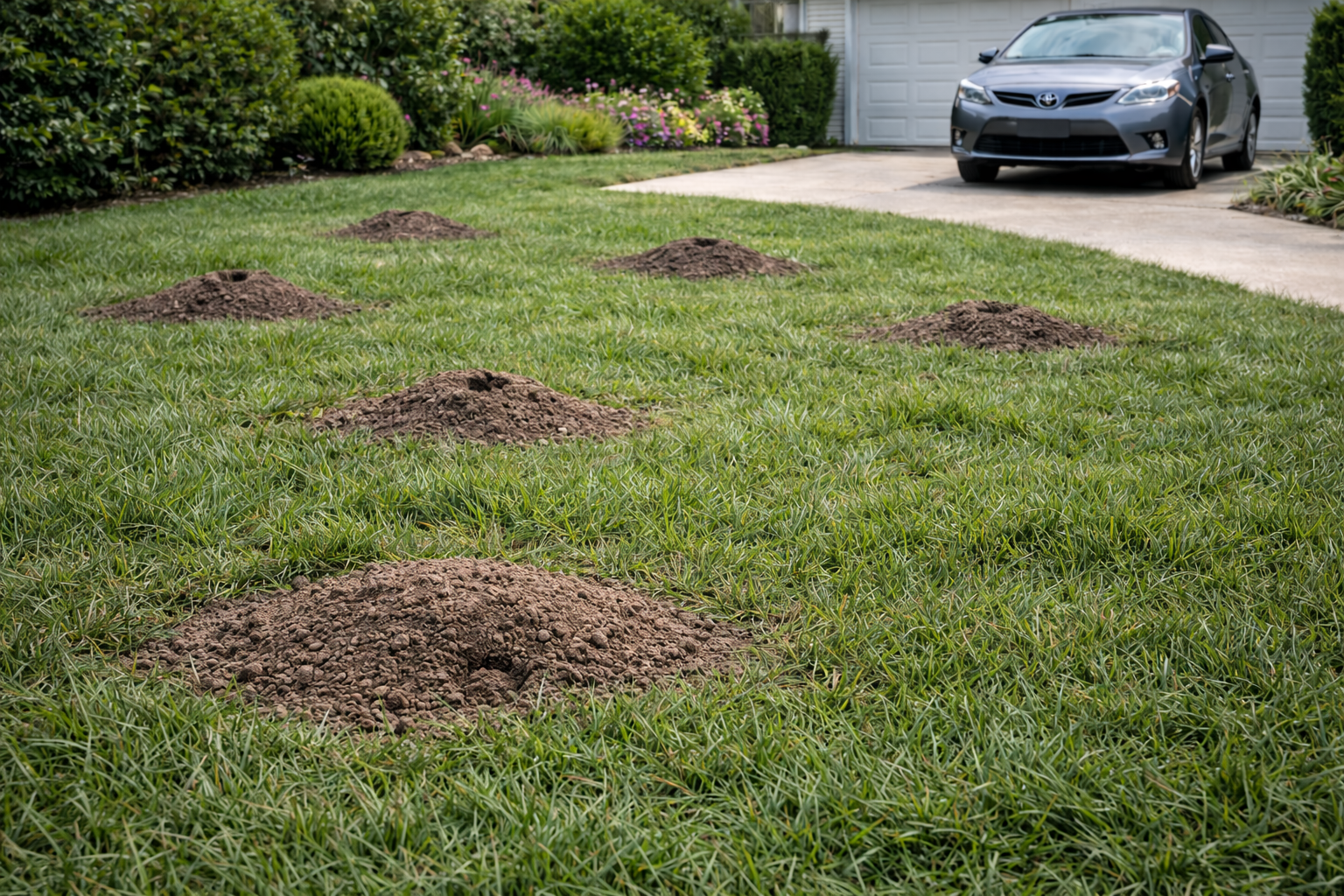
Gopher Activity in La Puente, CA
La Puente, located in Los Angeles County's San Gabriel Valley region, experiences consistent gopher activity throughout the year. The combination of the valley's irrigation infrastructure, favorable soil composition, and subtropical climate creates an ideal environment for pocket gopher populations to thrive. Property owners across the city—from residential neighborhoods near the San Gabriel River to areas adjacent to the Puente Hills—frequently encounter evidence of gopher burrowing activity on their land.
Why La Puente Has Significant Gopher Activity
The San Gabriel Valley's geological and environmental characteristics make La Puente particularly susceptible to gopher infestations. The region sits on alluvial plains composed of fine loamy soil and clay deposits, which are easily excavated and ideal for tunnel construction. These soil types, deposited over millennia by the San Gabriel River, provide minimal resistance to burrowing rodents and support robust vegetation growth that gophers depend on for food.
La Puente's extensive irrigation systems further attract gophers to residential and commercial properties. The city's landscape maintenance practices—including regular watering of gardens, lawns, and ornamental plantings—create moist soil conditions that gophers actively seek. Underground irrigation lines and water delivery systems inadvertently support gopher populations by maintaining soft, workable soil year-round.
The local climate contributes significantly to gopher activity patterns. La Puente experiences mild winters with daytime temperatures rarely dropping below freezing, allowing gophers to remain active throughout the season. Annual rainfall averages 16-17 inches, concentrated primarily between November and March, which softens soil and triggers increased burrowing during spring months. The proximity of La Puente to natural gopher habitat in the Puente Hills and surrounding open spaces ensures consistent wildlife pressure on developed properties.
Common Gopher Species in La Puente
The Botta's pocket gopher (Thomomys bottae) represents the dominant gopher species in La Puente and throughout the greater Los Angeles area. This species takes its common name from its large, externally visible cheek pouches, which serve as transportable storage for food and nesting materials. Adult Botta's pocket gophers measure 4 to 6 inches in body length, with stocky, cylindrical frames perfectly adapted for life underground.
Physical characteristics of Botta's pocket gophers include fur coloration ranging from tan to dark brown, depending on local soil pigmentation—a phenomenon known as soil-color matching. These rodents possess powerful front limbs equipped with elongated claws designed for excavation, and their eyes and ears are relatively small, reflecting adaptations to subterranean existence. Their incisors continue growing throughout life and never develop root structures, requiring constant wear through chewing behavior.
In La Puente's specific environment, Botta's pocket gophers typically establish territories in areas with well-developed vegetation and adequate soil moisture. They prefer loamy and sandy soils over heavy clay, though the San Gabriel Valley's mixed soil composition supports populations across diverse property types. Individual gophers maintain territories ranging from 200 to 2,000 square feet, and they rarely interact with neighbors outside breeding seasons, making them solitary inhabitants of the underground tunnel networks that characterize their habitat.
When Gopher Activity Peaks in La Puente
Gopher activity in La Puente follows predictable seasonal patterns influenced by local climate conditions and reproductive cycles. Winter months, from December through February, see reduced surface activity as gophers focus on maintaining existing burrow systems and consuming stored food. However, subsurface tunneling continues throughout winter, particularly in irrigated yards where soil remains workable.
Breeding season in La Puente typically occurs between January and March, driven by increasing day length and the approaching spring growing season. During this period, male gophers expand their territories searching for mates, resulting in increased tunnel construction and surface mounding activity. This breeding-associated movement often makes gopher presence more noticeable to property owners during late winter and early spring.
Spring rains transform La Puente's landscape and trigger peak gopher activity. As precipitation between March and May softens the soil and stimulates plant growth, gophers respond with aggressive tunnel expansion and feeding. This season represents the highest-activity period for most properties, with new mounds appearing frequently and existing burrow networks becoming more extensive. Summer months show variable activity depending on irrigation schedules and soil moisture availability. Fall activity generally increases again as gophers prepare for winter by expanding food storage areas and reinforcing their tunnel systems in preparation for cooler months.
Signs of Gopher Damage in La Puente Yards
The most obvious indicator of gopher presence in La Puente properties is the characteristic mound structure. Fresh mounds appear as crescent or horseshoe-shaped ridges of loose soil, typically 4 to 8 inches in diameter, scattered across lawns and garden areas. Unlike mole mounds, which form symmetrical cones with a central plug, gopher mounds display an asymmetrical shape reflecting the direction of soil excavation. A single gopher may produce multiple mounds weekly, especially during spring activity peaks.
Gopher tunneling causes significant damage to La Puente's common irrigation infrastructure. Subsurface drip lines and soaker hoses frequently get severed or crushed as gophers tunnel through installed systems. This damage disrupts water distribution, creates dry patches in yards, and forces property owners to conduct expensive repairs. Surface runways—shallow grooves in lawns where gophers move between mounds—represent another visible sign of activity.
Plant damage from gophers manifests in several ways across La Puente properties. Gophers consume roots directly, causing plants to wilt and decline despite adequate water and sunlight. Young trees and shrubs face particular vulnerability as gophers girdle roots and bark below ground level, destroying vascular systems without obvious aboveground symptoms until plant death becomes apparent. Garden beds and ornamental plantings suffer from both root consumption and soil destabilization as tunnel networks create air pockets that damage root contact with soil.
Landscape Considerations for La Puente Properties
La Puente's landscape aesthetic reflects classic San Gabriel Valley design principles, incorporating a mix of drought-tolerant native plants, ornamental shrubs, and irrigated lawns. Many properties feature the region's traditional plantings: coast live oaks, California pepper trees, olive trees, and various drought-resistant groundcovers alongside maintained turf areas. This combination of shallow-rooted lawns and deeper-rooted woody plants creates diverse conditions that attract gophers seeking varied food sources and suitable burrowing substrate.
Certain commonly planted species in La Puente face particular vulnerability to gopher damage. Vegetables and root crops in garden settings experience near-total crop loss in infested areas. Ornamental plants including junipers, ornamental grasses, and shallow-rooted perennials suffer from tunnel proximity and root damage. Established trees such as California pepper and olive, while more tolerant of root loss than younger specimens, can experience significant decline with heavy gopher pressure.
Hardscape features—including patios, pathways, concrete driveways, and retaining walls common throughout La Puente neighborhoods—experience indirect gopher damage through soil subsidence beneath structures. As gophers excavate tunnels under sidewalks and patios, the loss of soil support creates voids that lead to settling and cracking. Properties relying primarily on softscape elements face more direct gopher impact than those incorporating substantial hardscape features. Understanding the relationship between landscape composition and gopher attraction helps La Puente property owners make informed decisions about plantings, irrigation design, and maintenance practices.
For professional gopher control in Southern California, visit Rodent Guys — serving Los Angeles, Orange, San Bernardino, and Riverside counties.