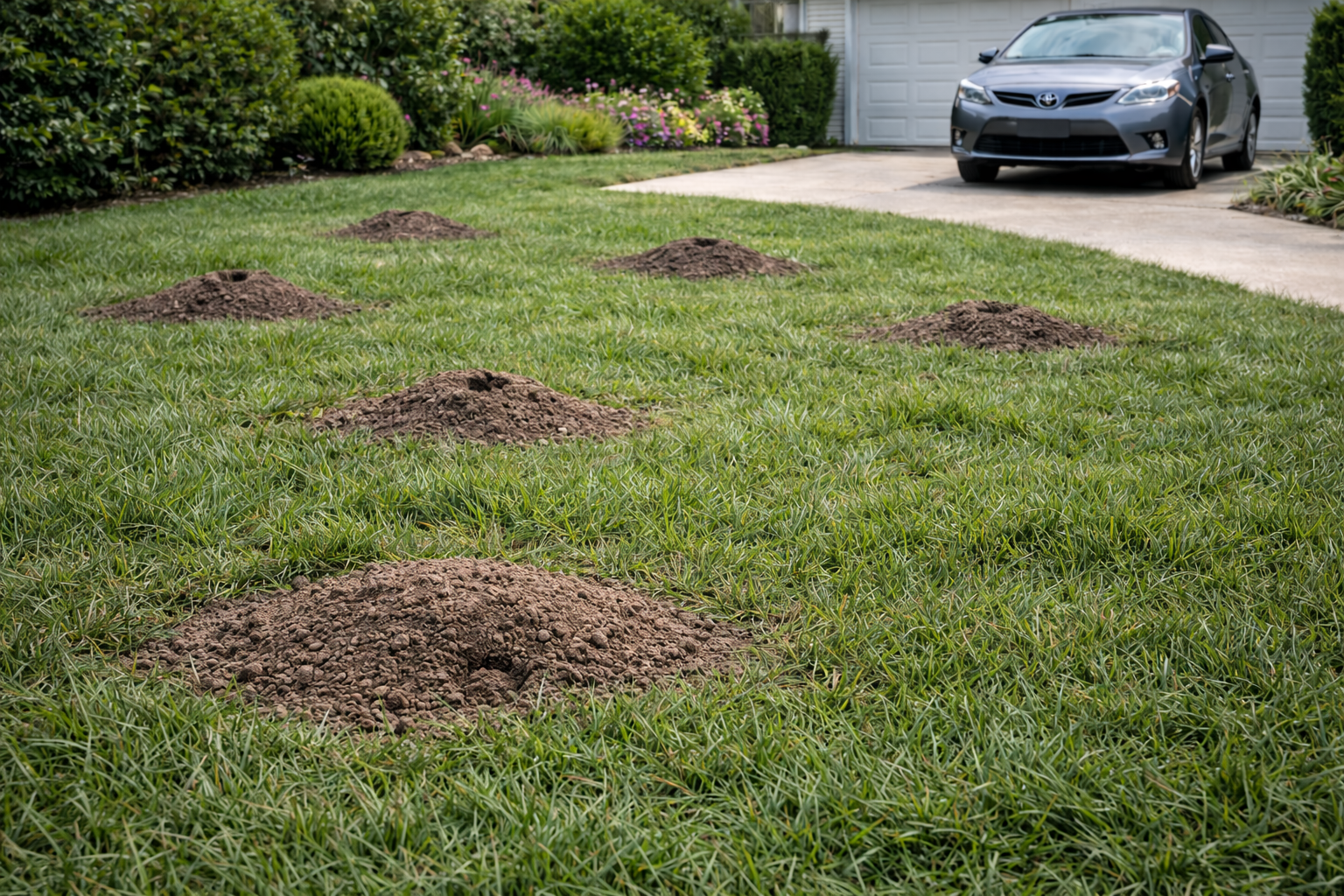
Gopher Activity in Lawndale, CA
Lawndale, a residential community in southwestern Los Angeles County, experiences consistent gopher activity throughout the year. The combination of well-maintained residential properties, established landscaping, and favorable soil conditions creates an ideal environment for gopher populations. Understanding the specific conditions that attract gophers to the area helps residents recognize and address signs of infestation early.
Why Lawndale Has Significant Gopher Activity
Lawndale's geography and environmental conditions make it particularly susceptible to gopher populations. The community sits on coastal plain soils that are relatively soft and easily excavated—ideal conditions for burrowing rodents. The area receives moderate rainfall during winter months, typically between November and March, which softens soil and encourages gopher tunneling activity. Additionally, Lawndale's suburban character means most properties include irrigated lawns and gardens, providing both moisture and food sources that attract gophers year-round.
The community's proximity to natural undeveloped areas and parks creates wildlife corridors through which gophers migrate into residential neighborhoods. Lawndale sits near coastal wetlands and open spaces that historically supported gopher populations, and these animals continue to disperse into human-occupied zones seeking similar conditions. The region's temperate climate rarely experiences freezing temperatures, allowing gophers to remain active even during winter months when they might be dormant in colder climates. Furthermore, many Lawndale properties feature mature trees, shrubs, and perennial plantings that gophers find appealing, combining shelter, food, and ideal soil conditions in one location.
Common Gopher Species in Lawndale
The primary gopher species found throughout Lawndale is the Botta's pocket gopher (Thomomys bottae). This species thrives in Southern California's coastal and inland regions and has adapted well to suburban environments. Botta's pocket gophers are medium-sized rodents, typically measuring six to eight inches in body length with an additional tail of two to three inches. They possess small eyes and ears, powerful front claws designed for digging, and small fur-lined cheek pouches—the "pockets" that give the species its name.
The coloration of Botta's pocket gophers varies considerably depending on soil type and local geography. In Lawndale, these gophers typically display brown or grayish-brown fur that provides camouflage in the local soil. Their bodies are adapted entirely for a subterranean lifestyle: their legs are short and sturdy, their skeletal structure is flattened to facilitate movement through tunnels, and their front teeth continuously grow throughout their lives to accommodate constant digging. Botta's pocket gophers are primarily herbivorous, feeding on plant roots, bulbs, tubers, and aboveground vegetation when accessible. A single gopher maintains an extensive tunnel system that can cover several thousand square feet, though individual animals typically occupy smaller territories within these systems.
When Gopher Activity Peaks in Lawndale
Gopher activity in Lawndale follows seasonal patterns influenced by local climate and breeding cycles. The primary breeding season occurs from January through March, coinciding with Lawndale's rainy season. During these months, males and females interact more frequently as they seek mates, resulting in increased tunnel construction and surface activity. Spring rains soften the soil, making excavation easier and reducing the energy required to maintain tunnel systems, so gophers expand their burrows and become more active during February and March.
Activity remains elevated throughout spring and early summer as young gophers disperse from their mothers' territories and establish new burrow systems. Summer months bring drier conditions, yet irrigation systems on Lawndale properties maintain soil moisture that sustains gopher populations. Fall typically sees moderate activity levels as gophers prepare for winter, though the season rarely becomes cold enough to significantly reduce their movements. Winter activity continues at reduced levels compared to spring, but Lawndale's mild coastal climate means gophers remain active year-round, particularly on properties with consistent irrigation. Residents may observe increased mounding and tunnel construction following periods of rainfall, when soil conditions favor digging.
Signs of Gopher Damage in Lawndale Yards
The most visible sign of gopher presence in Lawndale yards is the characteristic mound of fresh soil. These crescent or fan-shaped mounds appear suddenly in lawns and garden beds, ranging from three to six inches in diameter. Unlike mole mounds, which appear as raised ridges, gopher mounds represent excavated soil pushed upward as the animal digs lateral tunnels. A single property may display dozens of these mounds within days, particularly during spring when gophers are most active.
Beyond surface mounding, gophers cause damage to irrigation systems common throughout Lawndale properties. As tunnels intersect underground water lines and drip irrigation tubing, gophers may chew through plastic pipes or inadvertently collapse sections during excavation. This damage results in water loss, reduced irrigation efficiency, and dry patches in otherwise well-maintained landscapes. Plant damage represents another significant indicator of gopher activity; residents may discover that shrubs, young trees, or perennials have died or wilted despite apparently adequate water. Gophers feed on roots from below the soil surface, often severing them completely. In vegetable gardens and ornamental beds, gophers pull plants downward into their burrows to feed on roots and bulbs, leaving empty holes where plants formerly grew. Evidence of gnawing on bulbs and tubers, when excavated, confirms gopher activity rather than other rodent species.
Landscape Considerations for Lawndale Properties
Lawndale's landscaping reflects typical Southern California suburban design, featuring combinations of drought-tolerant ornamentals, water-wise perennials, and traditional turf grass. Many properties incorporate Mediterranean-style plants including lavender, rosemary, and California natives, interspersed with ornamental grasses and flowering shrubs. This diverse plantings approach creates multiple food sources attractive to gophers, from the bulbs of ornamental plantings to the roots of shrubs and the seeds and tubers of perennials. Hardscape features—patios, driveways, and concrete edging—create barriers that gophers must tunnel around, but do not prevent infestation.
Gophers particularly target certain plants common in Lawndale landscapes. Young citrus trees, if present, face root damage from gopher tunneling. Roses and other flowering shrubs with accessible root systems attract feeding gophers. Bulb gardens, popular in Lawndale's climate-appropriate landscaping, are especially vulnerable; gophers specifically seek out daffodils, tulips, and other bulb plantings. Properties with extensive lawns provide ideal gopher habitat, offering both protective cover and accessible plant material. Conversely, heavily mulched areas and densely planted shrub borders create favorable conditions for tunnel construction and reduce a gopher's vulnerability to predation. Understanding which plants and landscape types attract gophers allows Lawndale residents to make informed decisions about property design and maintenance, though some level of vulnerability remains inherent to the region's environmental conditions.
For professional gopher control in Southern California, visit Rodent Guys — serving Los Angeles, Orange, San Bernardino, and Riverside counties.