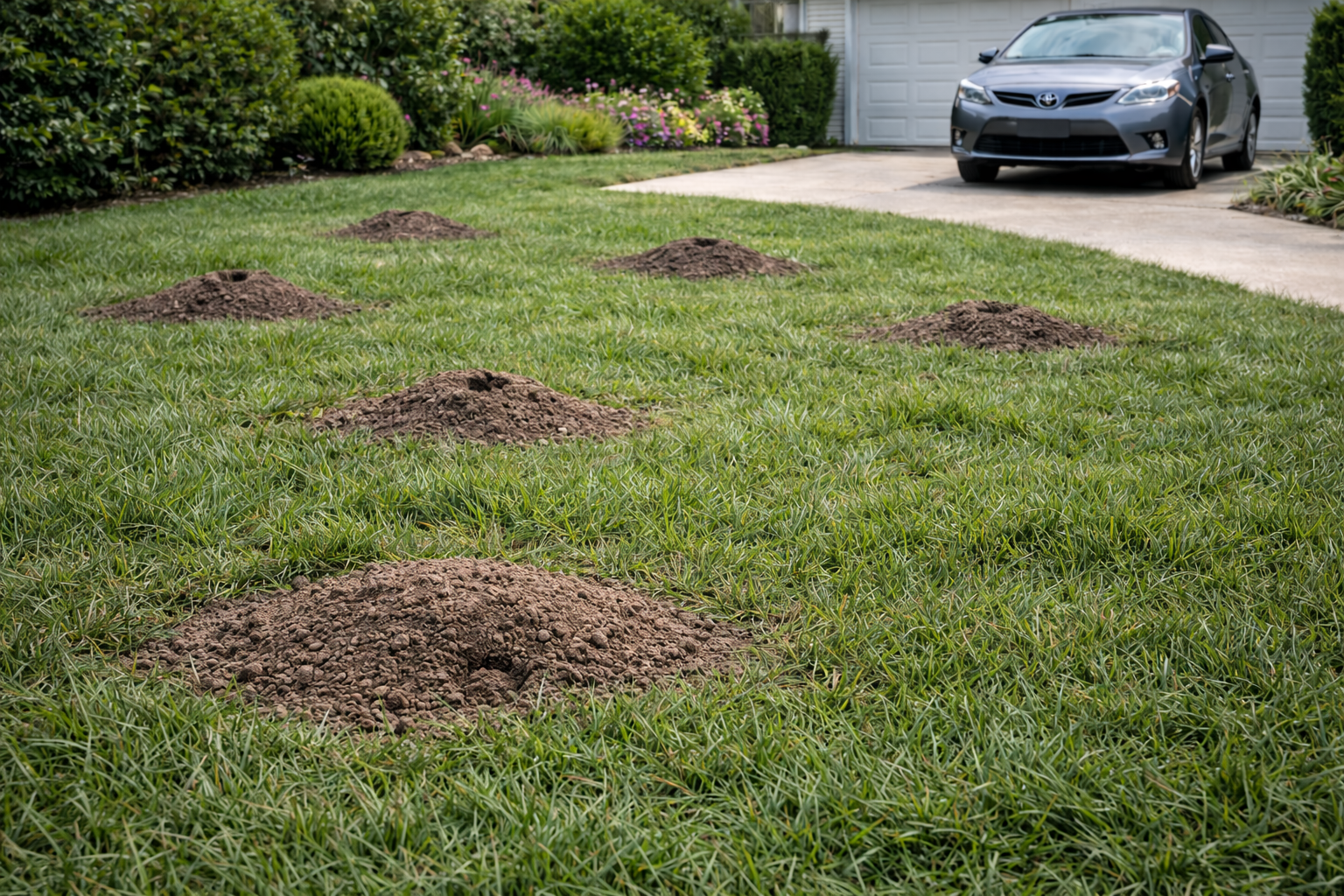
Gopher Activity in Loma Linda, CA
Loma Linda, situated in San Bernardino County's Inland Empire region, experiences notable gopher activity year-round. The city's combination of irrigated residential properties, nearby undeveloped land, and favorable soil conditions creates an environment where pocket gophers thrive. Understanding the patterns and signs of gopher presence helps residents recognize when activity may be affecting their properties.
Why Loma Linda Has Significant Gopher Activity
Loma Linda's geographic location and environmental characteristics make it particularly suitable for gopher populations. The region sits at approximately 1,000 to 1,300 feet elevation on the western edge of the San Bernardino Valley, where the landscape transitions from developed suburban areas to semi-rural parcels and native scrubland. This transition zone provides gophers with access to both food sources in cultivated yards and refuge in undisturbed natural areas.
The soil composition throughout Loma Linda consists primarily of sandy loam and alluvial soils derived from the San Bernardino Mountains. These soil types are ideal for gopher burrowing because they are neither too dense nor too loose, allowing animals to excavate extensive tunnel systems without excessive effort. The soil's friability makes it easier for gophers to move through their underground networks and create the characteristic mounds visible on many properties.
Irrigation infrastructure throughout residential Loma Linda attracts and sustains gopher populations. Most properties require regular watering due to the area's semi-arid climate, characterized by hot, dry summers and mild winters. The consistent moisture from landscape irrigation creates lush vegetation and softened soil conditions that gophers prefer. Additionally, the San Bernardino Valley receives approximately 15 inches of annual rainfall, with most precipitation occurring between November and March, which aligns with peak gopher breeding season when animals seek abundant food and soft, workable soil.
Common Gopher Species in Loma Linda
The Botta's pocket gopher (Thomomys bottae) is the species predominantly found throughout Loma Linda and the broader San Bernardino County region. This medium-sized rodent typically weighs between 2 and 4 ounces and measures approximately 5 to 7 inches in body length, with a short tail of 1 to 2 inches. The animals display brown to grayish-brown fur that blends naturally with local soil colors, providing camouflage in their underground environment.
Botta's pocket gophers possess several anatomical adaptations perfectly suited to their subterranean lifestyle. Their front legs are notably short and powerful, equipped with large claws specifically designed for excavating soil. Their small eyes and ears are positioned high on their heads, allowing them to detect threats while remaining partially underground. The animals have fur-lined cheek pouches that extend from their mouths to their shoulders, which they use to transport food and nesting materials through their tunnel systems.
In Loma Linda, Botta's pocket gophers inhabit a variety of microhabitats within the urban and suburban landscape. They thrive in residential yards with established landscaping, irrigated gardens, and areas where native vegetation meets cultivated plants. They show particular preference for properties along the edges of Loma Linda near the San Bernardino foothills, where undisturbed native habitat provides shelter and allows populations to maintain themselves throughout the year. The animals construct burrow systems that can extend across multiple properties, making population management challenging for individual homeowners.
When Gopher Activity Peaks in Loma Linda
Gopher activity in Loma Linda follows predictable seasonal patterns tied to local climate conditions and breeding cycles. The most significant activity period occurs from January through March, when gophers enter their primary breeding season. During these months, males actively search for mates, expanding their tunnel networks across greater distances and creating numerous new mounds. Females prepare nesting chambers and gather food stores in anticipation of raising offspring, driving increased burrowing activity.
Spring moisture patterns in the Inland Empire intensify gopher activity during March and April. The region's winter and early spring rains, averaging heaviest in February and March, soften the soil and promote rapid plant growth. This combination of ideal digging conditions and abundant food sources motivates gophers to expand their tunnel systems and increase surface foraging activity. Residents often notice the most visible mounds and damage during late spring as winter rains diminish but irrigation systems intensify.
Secondary activity increases occur in fall, typically September through November, as gophers prepare for winter by expanding food caches and reinforcing burrow systems. Summer months see relatively reduced activity as animals remain deeper in their tunnel systems where soil moisture and cooler temperatures persist. However, gopher presence remains year-round in Loma Linda; the animals do not enter true hibernation and continue creating damage throughout summer, particularly in irrigated areas where soil remains workable.
Signs of Gopher Damage in Loma Linda Yards
The most visible indicator of gopher presence is the characteristic mound of excavated soil scattered across yards and landscaped areas. Gopher mounds in Loma Linda typically appear as crescent or horseshoe-shaped piles of loose soil, often standing 3 to 6 inches high. Unlike moles, which create ridged tunnels, gophers push soil directly upward from below, creating distinct conical or fan-shaped mounds. These mounds dot residential properties throughout Loma Linda's neighborhoods, particularly in spring and early summer months.
Underground tunnel damage frequently escapes immediate notice until landscaping suffers visible decline. Gopher burrows undermine root systems of ornamental plants, shrubs, and trees common to Loma Linda landscaping, including roses, fruit trees, ornamental grasses, and drought-resistant species like California natives. Wilting and sudden plant death often indicate gopher damage to root systems rather than surface issues. The animals also gnaw on plant roots and bulbs, and occasionally emerge to clip vegetation at ground level.
Irrigation system damage represents a significant problem for many Loma Linda properties. Gophers tunnel through irrigation lines, creating breaks that cause water loss and uneven lawn watering. Soggy areas alternating with brown patches often indicate compromised irrigation systems. Garden beds and vegetable plots suffer particular vulnerability, as gophers consume planted crops and the loosened soil from bed preparation attracts tunneling activity. Properties with drip irrigation systems and landscape fabric sometimes experience reduced damage, though gophers readily tunnel beneath these installations.
Landscape Considerations for Loma Linda Properties
Loma Linda properties display diverse landscaping styles reflecting both the region's climate constraints and residents' preferences. Water-conscious xeriscaping incorporating native plants and mulch has become increasingly common throughout the community, driven by California water conservation considerations. Traditional turf lawns, though less prevalent than historically, still dominate many older residential neighborhoods throughout Loma Linda's established areas. Contemporary properties frequently feature combinations of hardscape elements—pavers, rock features, and decorative concrete—interspersed with planted areas.
Certain plants particularly favored in Loma Linda landscaping demonstrate vulnerability to gopher damage. Fruit and ornamental trees, including citrus varieties, stone fruits, and flowering types, provide nutritious roots and bark that attract gophers. Root vegetables and bulbs, whether in vegetable gardens or ornamental plantings, present concentrated food sources. Native California shrubs and groundcovers used in water-wise landscaping create excellent gopher habitat, as their deep root systems and loose soil associations attract burrowing activity. Conversely, hardscape-heavy properties with extensive paved areas, raised planter boxes, and rock landscaping naturally deter gopher activity.
The transition from irrigated yard to semi-wild landscape adjacent to Loma Linda's foothills creates particularly favorable conditions for gopher populations. Properties bordering native oak woodlands and chaparral vegetation experience higher gopher pressure, as animals move between wild habitat and cultivated yards following seasonal moisture and food availability. Understanding these landscape dynamics helps explain why certain Loma Linda neighborhoods and specific properties experience more significant gopher activity than others.
For professional gopher control in Southern California, visit Rodent Guys — serving Los Angeles, Orange, San Bernardino, and Riverside counties.