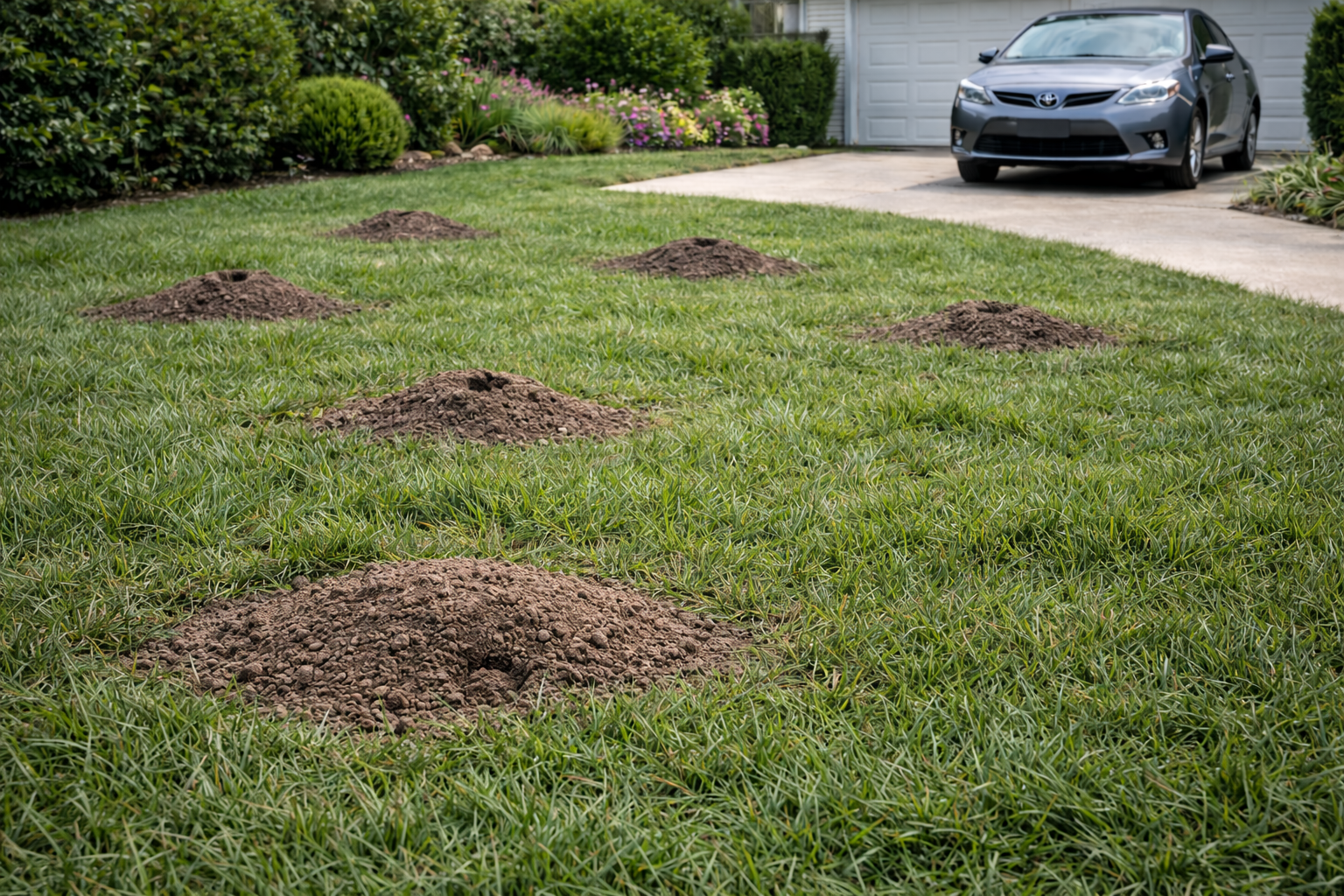
Gopher Activity in Long Beach, CA

Gophers are a persistent presence throughout Long Beach and the surrounding Los Angeles area, where soil conditions and landscaping practices create an ideal environment for these burrowing rodents. The city's coastal plains, residential neighborhoods, and maintained green spaces all support active gopher populations that regularly create visible damage to yards, gardens, and irrigation systems. Understanding why gophers thrive in Long Beach, when they're most active, and how to identify their presence helps property owners recognize and address potential infestations before significant damage occurs.

Why Long Beach Has Significant Gopher Activity

Long Beach's geography and environmental conditions make it particularly hospitable for gopher populations. The city sits on the Los Angeles coastal plain, characterized by relatively soft, workable soils that pocket gophers can easily excavate. The underlying soil composition in most residential areas consists of alluvial deposits—fine-textured materials deposited by historical water movement—which are less compacted than rocky or clay-heavy soils found in other regions. This combination allows gophers to create extensive tunnel systems with minimal energy expenditure.

The city's Mediterranean climate, with mild winters and moderate rainfall concentrated between November and April, supports year-round gopher activity. Irrigation systems throughout Long Beach neighborhoods—essential for maintaining lawns and ornamental landscaping in this semi-arid climate—create consistent moisture that gophers require for survival. The proximity of developed areas to natural open spaces, including the Los Cerritos Wetlands, the San Gabriel River corridor, and preserved habitat patches, means gophers have established populations in adjacent wild areas that regularly expand into residential zones. Additionally, the prevalence of maintained turf grass, vegetable gardens, and irrigated ornamental plantings provides abundant food sources that sustain high gopher densities year after year.

Common Gopher Species in Long Beach

The primary gopher species found throughout Long Beach is the Botta's pocket gopher, scientifically known as Thomomys bottae. This species is medium-sized, typically weighing between 2 and 4 ounces with a body length of 4 to 6 inches, plus a short tail. Botta's pocket gophers display tan to brown fur on their backs and lighter coloring on their undersides, with small eyes and ears that reflect their subterranean lifestyle. Their most distinctive feature is their large front claws, adapted for digging through soil with remarkable efficiency.

Botta's pocket gophers are named for their external cheek pouches, or "pockets," which they use to transport soil and food through their tunnel systems. These pouches are lined with fur and can expand to impressive sizes. The species is solitary and highly territorial, with each gopher maintaining its own tunnel network that may span 200 to 300 feet depending on soil conditions and food availability. In Long Beach, Botta's pocket gophers colonize virtually all soil types, from the coastal areas near the Port of Long Beach to inland neighborhoods like Bixby Knolls and Los Altos. They adapt well to both native and ornamental plant communities, thriving equally in residential gardens, parks, and the undeveloped areas that border the city.

When Gopher Activity Peaks in Long Beach

Gopher activity in Long Beach follows distinct seasonal patterns driven by breeding cycles and rainfall. The breeding season typically begins in January and extends through March, when gophers become more active as they search for mates and prepare burrow systems for raising young. During this period, property owners frequently notice increased mounding and tunneling activity as gophers expand their existing networks to accommodate expanding family groups.

Spring rains, which Long Beach typically receives between February and April, significantly increase gopher activity by softening soil and making excavation easier. Moisture also improves the quality of food plants, prompting gophers to feed more actively and expand their foraging territories. From late spring through early fall, gopher activity may temporarily decrease as soil becomes drier and harder to excavate, and as gophers focus on maintaining established tunnel systems rather than creating new burrows. However, because Long Beach's irrigation systems maintain moisture levels throughout the year, gopher activity never truly ceases. Fall months can bring renewed activity as gophers prepare for winter breeding season and take advantage of cooler temperatures that make digging more energy-efficient. Property owners should remain vigilant year-round, with particular attention during winter months when breeding activity makes gophers especially visible.

Signs of Gopher Damage in Long Beach Yards

The most obvious sign of gopher presence is the distinctive mounding pattern they create. As gophers excavate tunnels, they push soil to the surface, forming rounded or fan-shaped mounds typically 4 to 8 inches in diameter and 2 to 4 inches high. These mounds appear suddenly in yards, often overnight, particularly after rainfall or irrigation. Unlike mole mounds, which are centered on a single hole, gopher mounds display a characteristic plug of soil that the gopher uses to seal the tunnel entrance, creating an asymmetrical appearance.

Beyond mounding, gophers cause damage to irrigation systems by gnawing through drip lines, sprinkler tubing, and buried PVC pipes as they tunnel beneath landscaping. This damage leads to water leaks, dry spots in otherwise irrigated areas, and expensive repairs for Long Beach homeowners. Gophers also damage plants by severing roots and eating tubers and bulbs below the soil surface. In vegetable gardens and ornamental planting beds, sudden plant wilting or death—without obvious above-ground cause—often indicates gopher root damage. Surface feeding damage appears as gophers emerging from tunnel systems to clip grass and low herbaceous plants, creating small feeding areas at tunnel entrances. In Long Beach neighborhoods with mature trees and established landscaping, gophers may gnaw on woody plant roots or even small tree trunks at soil level.

Landscape Considerations for Long Beach Properties

Long Beach's diverse neighborhoods showcase varied landscaping styles that influence gopher vulnerability. Older, established neighborhoods like Bixby Knolls and Los Altos feature mature trees, deep soil profiles, and extensive lawn areas—all preferred by gophers. Newer coastal developments near Naples Island and Belmont Shore often emphasize drought-resistant, ornamental plantings and hardscape features, though these properties still support active gopher populations wherever soil depth permits tunneling.

Certain plants commonly found in Long Beach landscapes are particularly vulnerable to gopher damage. Root vegetables, bulbs, and succulents including agave, aloe, and cactus species are frequently targeted, as are the roots of flowering perennials like roses and dahlias popular in Long Beach gardens. Brassicas, legumes, and other vegetable crops face severe damage in Long Beach community garden plots. Conversely, gophers show less interest in deep-rooted native plants like California buckwheat and California lilac, though these plants are not immune to damage. The prevalence of irrigated turf grass throughout Long Beach residential areas supports particularly dense gopher populations, as the combination of consistent moisture, tender roots, and regular disturbance from landscaping maintenance creates ideal conditions for gopher colonization. Properties emphasizing hardscape features—patios, walkways, gravel areas—experience reduced gopher activity simply because solid surfaces prevent tunnel construction and limit foraging opportunities.