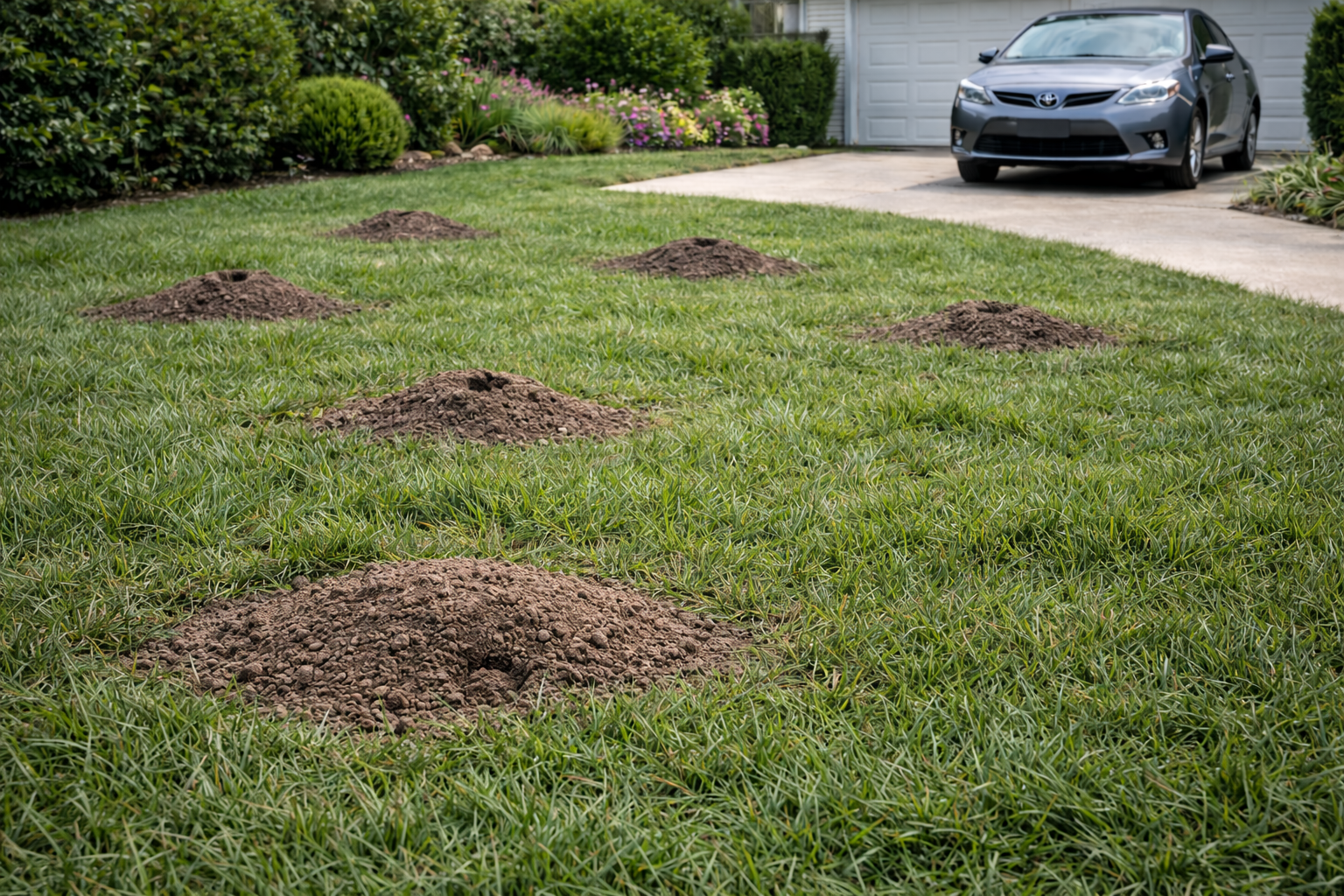
Gopher Activity in Los Angeles, CA
Gophers represent a persistent wildlife presence throughout the Los Angeles metropolitan area, from the San Fernando Valley to Long Beach and from the Santa Monica Mountains to the San Gabriel Valley. These burrowing rodents have adapted remarkably well to the urban and suburban landscape of Los Angeles County, thriving in residential neighborhoods, parks, golf courses, and agricultural remnants across the region. Understanding gopher behavior and activity patterns helps property owners recognize and respond to the damage these animals can cause.
Why Los Angeles Has Significant Gopher Activity
Los Angeles provides ideal conditions for gopher populations due to multiple environmental and geographical factors working in combination. The region's diverse soil composition—ranging from sandy loam in coastal areas to clay-rich soil in the valleys and foothills—supports active gopher tunneling. The San Fernando Valley, with its deep alluvial soils, and the basin areas around Los Angeles experience particularly robust gopher activity because these soil types allow for easy excavation of the extensive burrow systems that gophers require.
The irrigation infrastructure throughout Los Angeles significantly contributes to gopher abundance. Decades of landscape development have created pervasive irrigation systems in residential areas, parks, and commercial properties. This artificial moisture makes soil easier to work through and encourages the growth of succulent plants—precisely the vegetation gophers prefer to eat. Gophers need consistent access to moisture and tender plant material, conditions that Los Angeles's developed landscapes provide year-round, even during the region's characteristically dry summers.
Climate patterns favor gopher activity. While Los Angeles experiences a Mediterranean climate with hot, dry summers and mild, wet winters, the region receives sufficient rainfall and has enough cool-season growth periods to support gopher food sources. The temperate winters mean gophers remain active throughout the year rather than hibernating, allowing them to cause damage across all seasons. Proximity to wild areas—including the Santa Monica Mountains, San Gabriel Mountains, and various coastal canyons—provides refuges where gopher populations maintain themselves naturally, continually recolonizing developed areas.
Common Gopher Species in Los Angeles
The Botta's pocket gopher (Thomomys bottae) dominates gopher populations throughout Los Angeles and Southern California. This species measures approximately 5 to 7 inches in body length, with a relatively short tail of 1 to 2 inches. Botta's pocket gophers display brownish to grayish fur, though color variation occurs depending on local soil types—gophers in clay-rich areas sometimes appear darker than those in sandy regions. The species derives its common name from the externally visible cheek pouches, which the animal uses to transport food and nesting material through its burrow system.
These gophers possess specialized anatomical adaptations for burrowing life. Small eyes and ears sit high on the head, reducing exposure to soil while tunneling. Large, continuously growing front teeth allow the animal to cut through roots and hard soil. Powerful foreleg muscles and elongated claws enable rapid excavation. A Botta's pocket gopher can tunnel at speeds exceeding 60 feet per night under favorable conditions.
Throughout Los Angeles, Botta's pocket gophers occupy diverse habitats ranging from well-maintained residential yards in neighborhoods like Brentwood, Pacific Palisades, and Silver Lake to remnant open spaces in the foothills and valleys. The species prefers areas with good soil, adequate moisture, and sufficient vegetation. Both irrigated landscapes and naturally vegetated hillsides support active populations. Gophers established in a single property can cause substantial disruption before property owners recognize the infestation.
When Gopher Activity Peaks in Los Angeles
Gopher activity in Los Angeles follows seasonal patterns tied to breeding cycles and precipitation patterns. The primary breeding season extends from January through March, when gophers become more active as they establish territories and seek mates. During this period, tunneling activity visibly increases, and new mounding becomes frequent. Property owners often notice gopher problems first during late winter and early spring when fresh mounds appear seemingly overnight in yards and gardens.
Spring rains, particularly the sometimes-substantial precipitation occurring in February and March, create ideal tunneling conditions. Moistened soil becomes easier to excavate, and the resulting vegetation growth provides abundant food. As temperatures warm through April and May, gophers continue active feeding to support breeding and early offspring development. Summer months typically see somewhat reduced surface activity as gophers remain in deeper portions of their tunnel systems where moisture persists and temperatures stay moderate.
Fall brings renewed activity as gophers prepare for winter and as fall rains (if they occur in a given year) soften the soil. The period from September through November often produces a secondary surge in gopher mounding and damage. Even during Los Angeles's dry season, established gophers maintain activity due to irrigation moisture. Winter activity never completely ceases; gophers work within their established tunnel systems throughout the year, though the most visible damage and new tunneling occur during the wetter months and spring breeding season.
Signs of Gopher Damage in Los Angeles Yards
The most obvious indicator of gopher presence is the characteristic mound. These roughly conical piles of excavated soil appear suddenly in lawns, gardens, and landscaped areas. Gopher mounds in Los Angeles yards typically measure 3 to 6 inches in height and 4 to 8 inches in diameter, though larger mounds occasionally occur. A single gopher can create multiple mounds weekly, so property owners who notice fresh mounding should anticipate continued activity. Mounds appear most frequently in areas with softer soil and adequate moisture—common in the irrigated landscapes throughout Los Angeles neighborhoods.
Gopher tunneling directly damages irrigation systems. The burrows intersect water lines, causing leaks and reducing irrigation efficiency. Property owners notice unexplained wet spots in yards, soggy areas that persist despite dry weather, and increased water usage without corresponding landscape changes. Drip irrigation lines and soaker hoses become particular targets as gophers tunnel through shallow systems installed in planting beds.
Plant damage from gopher feeding ranges from subtle to catastrophic. Gophers girdle roots just below the soil surface, sometimes killing entire shrubs or small trees without obvious above-ground signs until the plant suddenly wilts. In vegetable gardens and flower beds, gophers pull plants downward into their tunnels, leaving gaps in plantings. Ornamental plants common in Los Angeles—including roses, citrus trees, and native shrubs—all fall victim to gopher feeding. Gophers sometimes eat entire vegetable crops, particularly newly planted seedlings. Tunnel collapses create unsightly depressions and holes throughout affected yards.
Landscape Considerations for Los Angeles Properties
Los Angeles landscaping styles influence gopher impact patterns. The region's widespread adoption of drought-tolerant native plant landscapes, promoted since California's severe droughts in the 2010s, creates different gopher pressure than traditional water-intensive ornamental gardens. Native plants like California buckwheat, toyon, and coyote brush possess deeper, tougher root systems than non-native ornamentals, making them somewhat more resistant to gopher damage. However, even native plantings suffer when gophers tunnel extensively, and the shallow drip irrigation systems common in these landscapes remain vulnerable to gopher interference.
Residential properties across Los Angeles employ vastly different landscaping strategies depending on neighborhood character and homeowner preferences. Hillside communities in areas like the Hollywood Hills, Los Feliz, and Silverlake often feature more natural plantings with less intensive irrigation, yet these areas experience significant gopher activity due to proximity to wild populations and existing native vegetation that supports the animals. Valley neighborhoods in areas like Encino, Brentwood, and parts of the San Fernando Valley historically featured more irrigated, ornamental landscapes with lawns and diverse plantings—conditions ideal for gopher proliferation.
Hardscape features like patios, pathways, and water features don't directly prevent gophers but can influence their activity patterns. Gophers tunnel beneath hardscapes, sometimes undermining pavers and creating subsurface cavities. Properties combining softscape areas—turf grass, planting beds, and mixed gardens—with hardscape features may experience less visible surface mounding but equally active subsurface tunnel networks. The combination of softscape areas for feeding, hardscape features providing some deterrence, and consistent irrigation creates the complex gopher management challenges facing many Los Angeles properties.
For professional gopher control in Southern California, visit Rodent Guys — serving Los Angeles, Orange, San Bernardino, and Riverside counties.