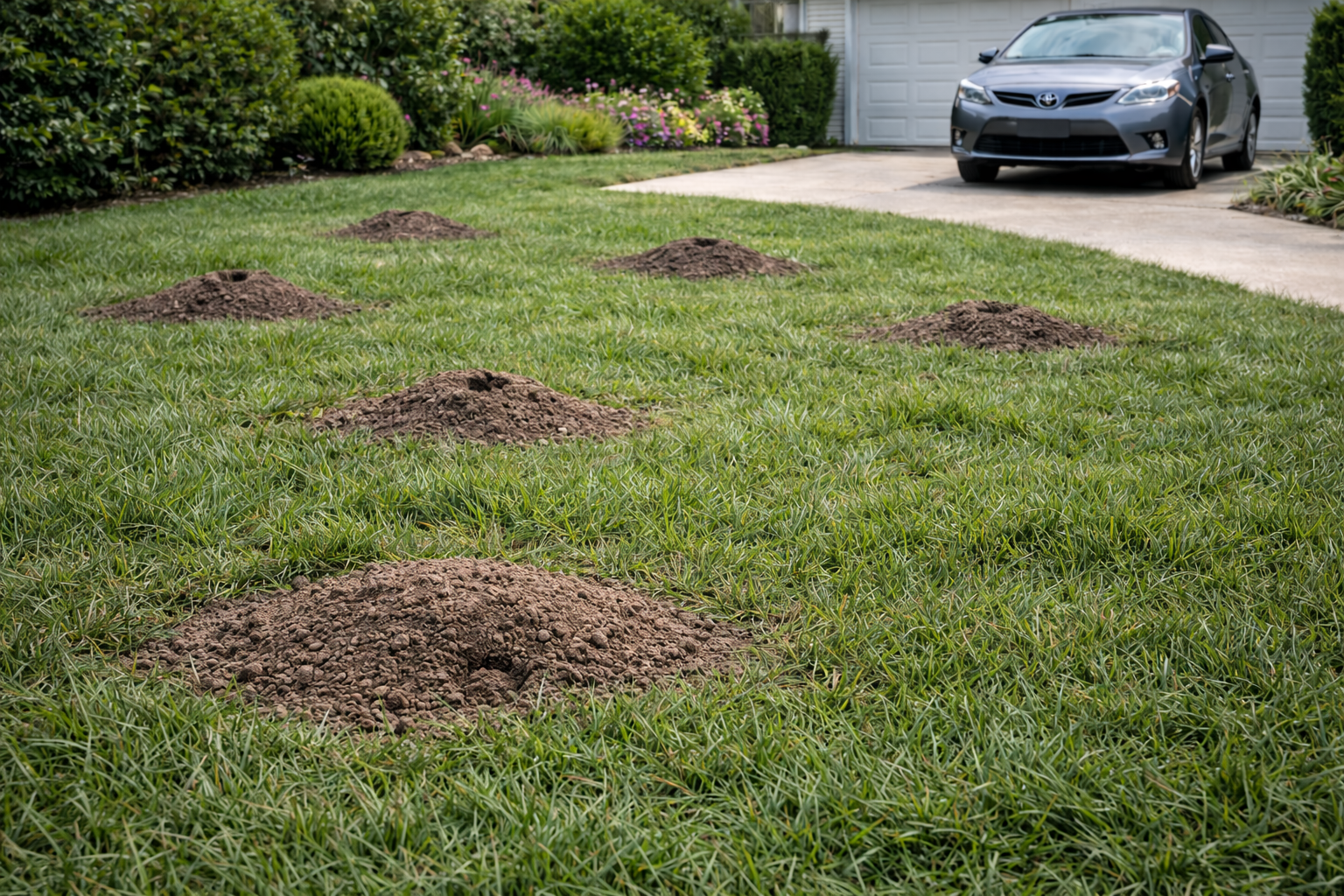
Gopher Activity in Lynwood, CA
Gophers maintain a consistent and often problematic presence throughout Lynwood, California, a densely populated city in northwestern Los Angeles County situated between Long Beach and Compton. The combination of residential landscaping, irrigated yards, and underlying soil composition creates ideal conditions for pocket gopher populations to thrive year-round. Property owners across Lynwood's neighborhoods—from Del Amo Boulevard in the south to the vicinity of the Los Angeles River to the north—regularly encounter evidence of gopher tunneling and surface activity.
Why Lynwood Has Significant Gopher Activity
The environmental factors supporting gopher populations in Lynwood stem from multiple sources. Soil composition throughout the city consists primarily of fine-textured alluvial deposits, a geological legacy of the Los Angeles River system. These soils—predominantly silts and clays mixed with sandy layers—tunnel easily, requiring minimal energy expenditure for gophers to create and maintain their burrow networks. The subsurface conditions are ideal for the sustained excavation that pocket gophers depend on for survival and breeding.
Irrigation infrastructure further amplifies gopher habitat suitability. Lynwood experiences a Mediterranean climate with dry summers and mild winters; most yards require supplemental watering to maintain landscaping. The moisture from irrigation systems softens soil and promotes root growth, attracting gophers in search of plant material and invertebrate prey. Additionally, Lynwood's latitude (33.9° N) and proximity to coastal influences moderate temperature extremes, allowing gophers to remain active during all months of the year, unlike regions with harsh winters.
Geographic proximity to less-developed areas contributes to population dynamics as well. While Lynwood itself is urbanized, nearby undeveloped land and riparian corridors along the Los Angeles River and its tributaries serve as source populations. Gophers disperse from these areas into residential neighborhoods, seeking the more reliable food sources and favorable soil conditions that maintained landscapes provide. This continuous influx helps sustain gopher populations even in heavily managed residential zones.
Common Gopher Species in Lynwood
The Botta's pocket gopher (Thomomys bottae) represents the primary gopher species encountered throughout Lynwood and the greater Los Angeles basin. Named after early California naturalist Paulo Emilio Botta, this species possesses several distinctive characteristics that differentiate it from other California rodents. Adults typically measure 4.5 to 5.5 inches in body length, with short, stocky frames adapted for subterranean life. Their fur coloration ranges from dark brown to yellowish-brown, often matching local soil tones—an adaptation that provides camouflage during above-ground activity.
Physical adaptations for burrowing include powerful forelimbs with enlarged claws, small external ears to prevent soil clogging, and small eyes suited to low-light tunnel environments. A distinctive feature is their external cheek pouches, which extend from the mouth to the shoulders and allow gophers to transport food and nesting materials without using their front paws. The tail is relatively short and hairless, serving as a sensory organ for detecting air movement and spatial navigation within tunnel systems.
In Lynwood specifically, Botta's pocket gophers demonstrate strong preference for irrigated residential yards over undisturbed native habitat. The species adapts readily to cultivated soil and planted landscape beds, where it finds abundant root vegetables, ornamental bulbs, and tender plant shoots. They are solitary and territorial animals, with each individual maintaining and defending its own tunnel system. This behavioral pattern means that multiple gophers occupying the same yard represent separate, independent animals rather than family groups or colonies.
When Gopher Activity Peaks in Lynwood
Gopher activity in Lynwood follows seasonal patterns tied to breeding cycles and resource availability. The primary breeding season extends from January through March, coinciding with the region's wettest months and the emergence of new plant growth. During this period, male gophers expand their tunnel systems while searching for females, resulting in increased surface activity, fresh mound construction, and visible evidence of digging. Property owners typically notice the most dramatic damage and mound proliferation during late winter and early spring.
Spring rains across Lynwood—when the city receives the majority of its annual precipitation of approximately 13 inches—create temporary abundance of tender vegetation and moisten soil to optimal burrowing consistency. These conditions trigger accelerated activity and population expansion. As spring transitions to summer and irrigation becomes the primary water source, gopher activity remains consistent but less visually obvious. The dry season slows new mound construction somewhat, though established gophers continue tunneling and feeding beneath the surface.
Fall months bring renewed above-ground activity as gophers prepare for winter and engage in continued breeding. November through December activity levels remain moderate but steady. Even during Lynwood's mild winters, when temperatures rarely drop below 40°F and freezing is virtually nonexistent, gophers maintain active tunnel systems and continue feeding on roots and stored food. The absence of hard freezes means gophers in Lynwood never enter genuine dormancy, distinguishing local patterns from gopher behavior in colder regions.
Signs of Gopher Damage in Lynwood Yards
Identifying gopher presence in Lynwood properties requires recognition of several distinctive damage patterns and signs. The most visible indicator is the formation of gopher mounds—characteristic crescent or horseshoe-shaped soil mounds created as gophers push excavated earth to the surface. In Lynwood's alluvial soils, these mounds typically measure 4 to 8 inches in diameter and 2 to 4 inches in height, though dimensions vary based on soil type and moisture content. Multiple mounds scattered across a yard, particularly in landscaped beds and irrigated areas, indicate active gopher presence.
Beyond surface mounds, gopher tunneling causes distinct subsurface damage patterns. Burrow systems frequently intersect irrigation lines, lateral pipes, and soaker hoses, puncturing them and disrupting water delivery to landscaping. In Lynwood yards where drip irrigation supports drought-tolerant plants—increasingly common in neighborhoods pursuing water conservation—gopher damage directly undermines irrigation efficiency. Property owners may notice soft or sunken areas in yards where tunnel collapses leave voids beneath the surface.
Plant damage provides another diagnostic indicator. Gophers clip young ornamental plants, vegetable seedlings, and shrub roots below ground level, causing sudden wilting and death without obvious above-ground cause. In Lynwood yards featuring Mediterranean-style landscaping with Mediterranean fan palms, Italian stone pines, and various shrub species, gophers may damage root systems of mature plants despite their small individual size. Bulbs, tubers, and root vegetables disappear wholesale. Gnaw marks on tree bark near the soil surface occasionally appear where gophers have accessed trunks during tunnel expansion.
Landscape Considerations for Lynwood Properties
Lynwood's residential landscaping reflects its position as a built-out urban community with diverse architectural styles and property types. Single-family homes, townhouses, and apartment complexes feature varying landscape approaches, creating different vulnerabilities to gopher activity. Many properties maintain traditional turf grass lawns that, while less directly damaged by gophers, obscure mound formation and tunneling until damage becomes severe. Contemporary water-conscious landscaping increasingly incorporates hardscapes—patios, pathways, and retaining walls—alongside reduced planting areas, though remaining plantings face concentrated gopher pressure.
Vulnerable plant choices common in Lynwood yards include ornamental bulbs and corms such as tulips, daffodils, and freesias, which attract gophers as high-value food sources. Root vegetables in home gardens—carrots, beets, and turnips—face particular risk. Susceptible shrub species include many California natives planted for drought resistance, such as various manzanita species and ceanothus. Even established ornamental trees including liquidambars, crape myrtles, and photinias may suffer root damage. Conversely, some plants demonstrate greater gopher resistance through toxicity or unpalatable characteristics, though no plant is completely immune.
Hardscape features—concrete patios, paved walkways, retaining walls—provide some deterrent value by blocking tunneling in specific zones. However, gophers readily tunnel beneath hardscape structures, sometimes undermining sidewalks and creating surface collapse hazards. The integration of physical barriers, strategic plant selection, and maintenance practices represents the most practical approach for Lynwood properties. Understanding local soil conditions, seasonal moisture patterns, and gopher behavioral ecology enables property owners to make informed landscaping and maintenance decisions that minimize damage while adapting to the region's semi-arid climate.
For professional gopher control in Southern California, visit Rodent Guys — serving Los Angeles, Orange, San Bernardino, and Riverside counties.