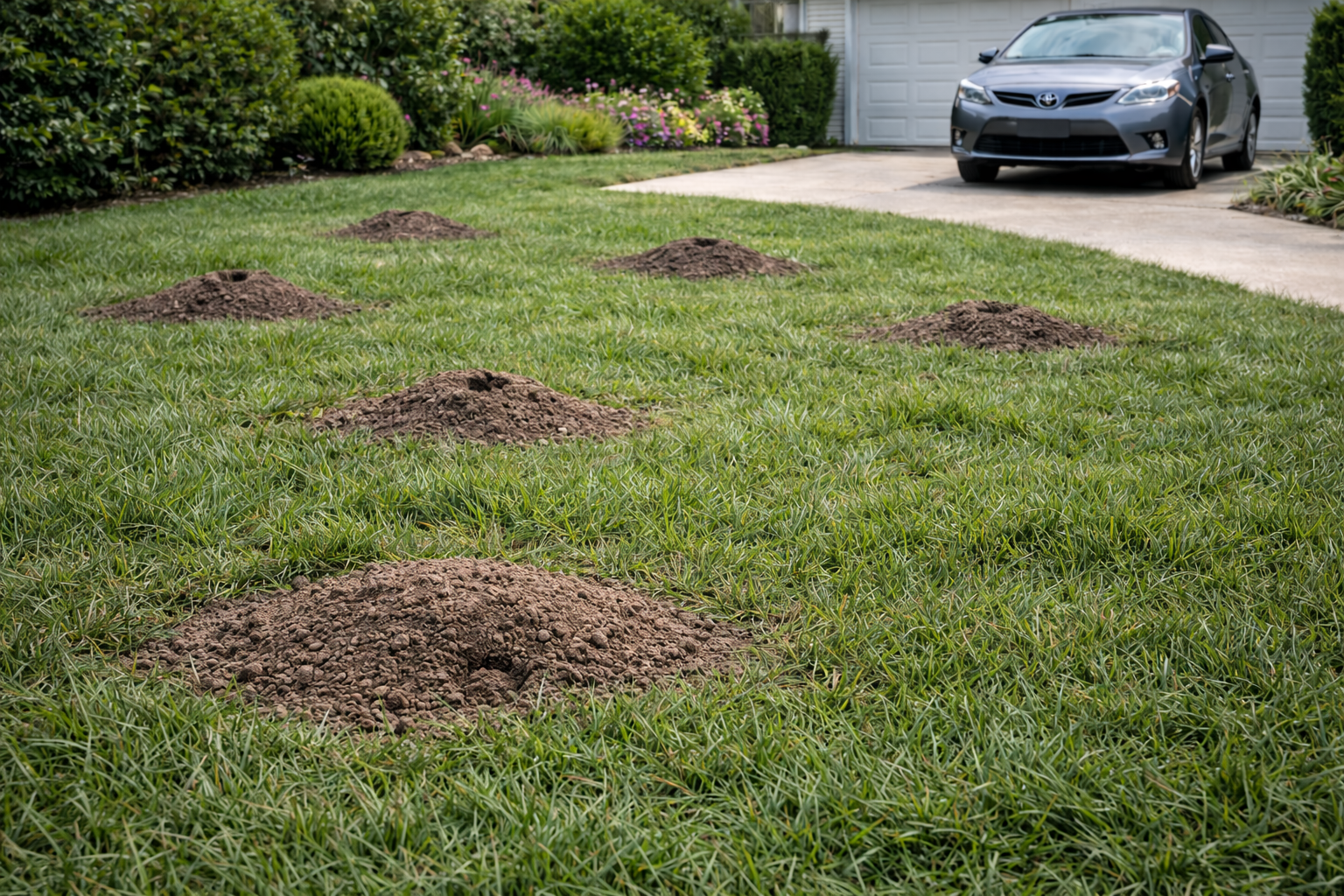
Gopher Activity in Malibu, CA

Gopher activity represents a persistent ecological and residential concern throughout Malibu, California. The coastal community's unique geography, soil composition, and Mediterranean climate create ideal conditions for pocket gopher populations to thrive year-round. Property owners across neighborhoods from Point Dume to Trancas Canyon regularly encounter evidence of gopher tunneling systems beneath their yards and landscaping.

Why Malibu Has Significant Gopher Activity

Malibu's landscape naturally supports robust gopher populations due to several interconnected environmental factors. The region's soil composition—predominantly composed of sandy loam and clay-rich alluvial deposits from the Santa Monica Mountains—provides ideal burrowing conditions. These soils are soft enough to tunnel through efficiently yet stable enough to maintain tunnel structure without constant collapse, making them particularly attractive to pocket gophers seeking to establish extensive underground networks.

The area's extensive residential irrigation systems further amplify gopher habitat suitability. Most Malibu properties rely on supplemental watering to maintain landscaping in the Mediterranean climate, which creates zones of consistent soil moisture that gophers prefer. Irrigated soil remains workable throughout dry seasons when unwatered areas become compacted and difficult to excavate.

Proximity to wild habitat plays a significant role in gopher presence. The Santa Monica Mountains National Recreation Area borders Malibu on its northern and eastern edges, providing continuous wild gopher populations that periodically migrate into developed residential areas. The transition zones between Malibu's urban-wildland interface facilitate natural gopher movement into yards and gardens. Additionally, Malibu's Mediterranean climate—characterized by warm, dry summers and mild, wet winters—allows gophers to remain active throughout the year, unlike regions with harsh winters that limit winter foraging and breeding activity.

Common Gopher Species in Malibu

The Botta's pocket gopher (Thomomys bottae) represents the primary gopher species active in Malibu and throughout Los Angeles County's coastal regions. Named after naturalist Paulo Emilio Botta, this species displays the characteristic features that allow identification from above ground, though direct observation remains rare given their subterranean lifestyle.

Adult Botta's pocket gophers typically measure between 5 to 6 inches in body length, with relatively short, sparsely haired tails extending an additional inch. Their fur ranges from light brown to dark tan, providing natural camouflage in Malibu's native soil. Their front feet feature elongated claws specifically adapted for excavation, and their cheeks contain deep fur-lined pockets extending into their shoulders—the anatomical feature from which the "pocket" gopher name derives. These cheek pouches allow gophers to transport food and soil while tunneling without entering ground surface.

Botta's pocket gophers in Malibu establish solitary territories, with each gopher maintaining and defending an individual tunnel system. They remain active within their burrows during both day and night hours, though peak surface activity often occurs during early morning and late afternoon periods. Unlike some social rodent species, adult pocket gophers actively exclude other gophers from their territory, resulting in isolated populations across fragmented habitat patches throughout Malibu neighborhoods.

When Gopher Activity Peaks in Malibu

Gopher activity in Malibu follows distinct seasonal patterns, though the mild climate permits some level of year-round tunneling activity. Breeding season generally occurs from January through March, during which male gophers expand their tunnel systems and increase surface activity while seeking mates. During this period, property owners frequently observe fresh mounding activity as breeding populations become more mobile and tunnel construction accelerates.

Spring months (March through May) represent the period of maximum surface evidence of gopher activity. Malibu's winter and spring rains soften soil conditions throughout the region, making excavation less energetically demanding. The subsequent growth of native and cultivated vegetation provides abundant food resources, encouraging expanded foraging and tunneling behavior. Landscapes with newly planted gardens or spring irrigation initiation experience elevated gopher pressure during these months.

Summer activity (June through August) continues at moderate levels despite drier conditions, particularly in irrigated areas where soil moisture remains adequate for tunneling. Fall months show variable activity depending on autumn rainfall patterns, which can trigger renewed tunneling if precipitation is adequate. Late fall and early winter may show reduced surface activity as gophers focus on cache accumulation rather than territory expansion, though tunneling continues beneath the surface throughout winter months. The absence of true hibernation in Malibu's climate means gophers remain active feeders throughout the year, continuously modifying and expanding their tunnel networks.

Signs of Gopher Damage in Malibu Yards

Property owners can identify active gopher presence through several distinctive surface signs characteristic of pocket gopher tunneling. Fresh mounds represent the most obvious indicator—conical or crescent-shaped soil mounds appearing suddenly in lawns, gardens, and landscaped areas. Malibu's sandy loam soils produce particularly visible mounds as gophers excavate soil and push it to the surface through vertical shafts. These mounds vary from a few inches to nearly a foot in diameter and can appear overnight during active tunneling periods.

Subsurface tunnel damage often becomes apparent through soil settling and depression patterns overlying tunnel networks. Raised ridges sometimes form where gophers tunnel just below the surface, creating subtle linear depressions in turf or landscape mulch. Sudden plant wilting in otherwise adequately watered yards frequently indicates gopher damage to root systems or irrigation lines.

Malibu properties with drip irrigation systems experience particular vulnerability to gopher damage. Pocket gophers readily chew through plastic and rubber irrigation tubing to access water sources and vegetation, fragmenting irrigation systems and creating water loss and uneven watering patterns. Gophers also consume roots of established plants, particularly young trees and shrubs valued in Malibu's native plant landscaping movement. Native California buckwheat, sage, and other drought-tolerant plants common in Malibu yards become food sources and further encourage gopher presence. Garden areas with shallow-rooted vegetables and ornamentals show visible damage including chewed root vegetables, withering plants, and surface disturbance around plant bases.

Landscape Considerations for Malibu Properties

Malibu's distinctive landscape aesthetic influences gopher habitat and activity patterns in residential areas. The community's design preferences emphasize native plant restoration, Mediterranean-style gardens, and drought-tolerant landscaping—a shift driven partly by water conservation awareness and partly by the region's natural ecological heritage. This trend has expanded the availability of vegetation that gophers find particularly palatable, including native wildflower species increasingly used in native plant gardens.

Properties throughout Malibu neighborhoods—from Point Dume to Trancas Canyon to the Malibu Colony—incorporate varying ratios of hardscape to softscape. Areas with extensive lawn space, ornamental plantings, and vegetable gardens create ideal gopher habitat. Conversely, properties dominated by hardscape elements including patios, stone landscaping, and decking reduce gopher activity simply by limiting soil accessibility. The transition zones between hardscape and garden beds frequently show concentrated gopher activity, as gophers exploit accessible soil areas adjacent to plant resources.

Malibu properties utilizing the increasingly popular native plant palette demonstrate variable gopher pressure depending on specific plant selection. While some native plants deter gophers through toxins or unpalatable foliage, many native species serve as primary food sources. Coastal sage scrub restoration projects employing native sage, buckwheat, and similar species can inadvertently create enhanced gopher habitat. Irrigated ornamental gardens featuring non-native perennials and annuals attract gophers seeking succulent vegetation and consistent moisture. Understanding which landscape plants attract versus repel gophers enables property owners to make informed planting decisions that account for local gopher populations.