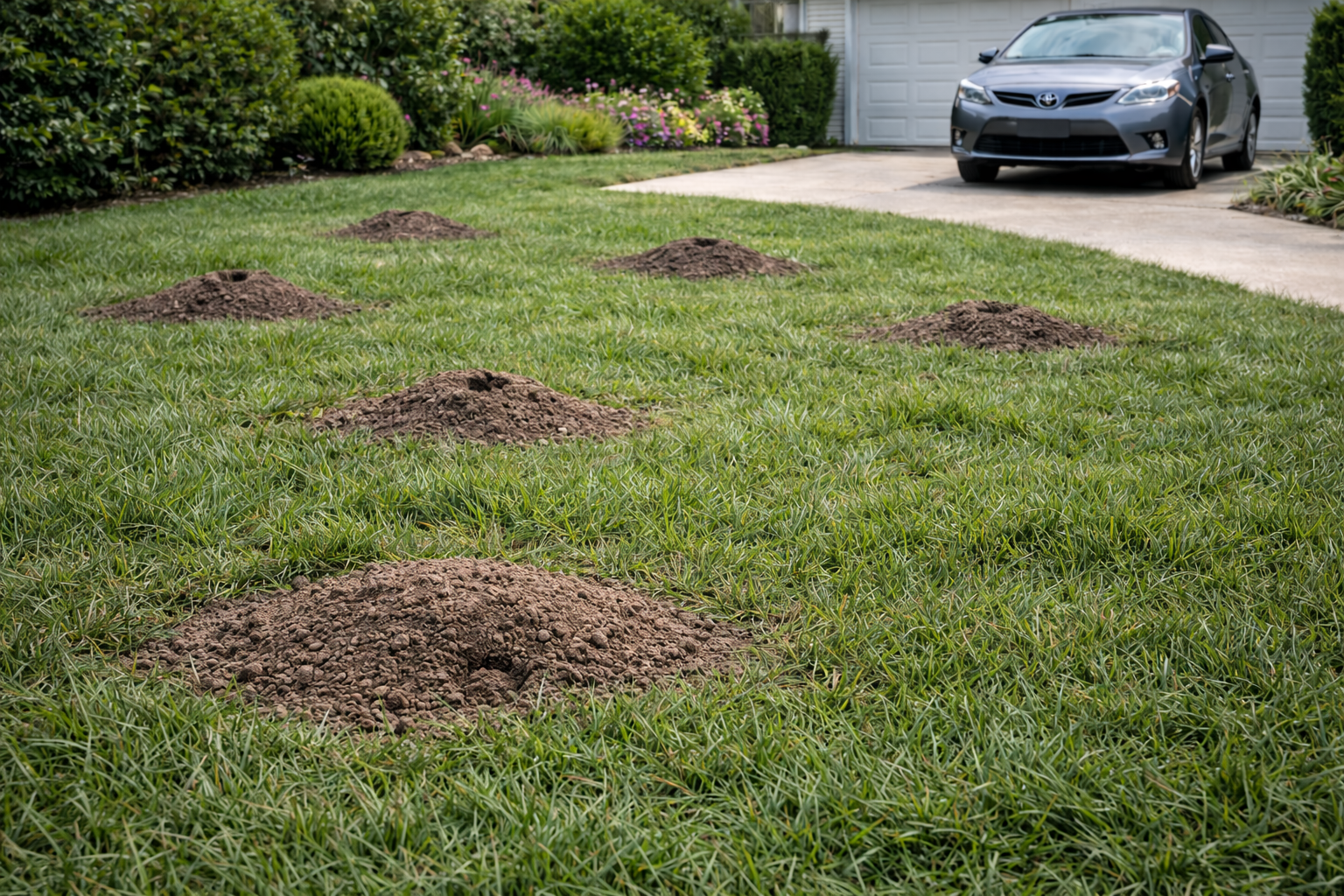
Gopher Activity in Monrovia, CA

Monrovia, nestled in the foothills of the San Gabriel Mountains in Los Angeles County, experiences regular gopher activity throughout residential and commercial properties. The combination of the city's geography, soil composition, and irrigation practices creates an environment where pocket gophers thrive year-round. Property owners in neighborhoods ranging from Foothill Boulevard to Iris Avenue frequently encounter signs of burrowing activity on their land.

Why Monrovia Has Significant Gopher Activity

The underlying geology of Monrovia contributes substantially to gopher populations. The area sits on alluvial soils deposited from the San Gabriel River system, producing loose, easily workable earth that gophers prefer for tunnel construction. These sandy and silty loam soils extend across most of the city's residential zones and require minimal effort for burrowing compared to clay-heavy or compacted ground found in other Southern California communities.

Monrovia's elevation, ranging from approximately 500 feet near the city center to over 2,000 feet in the northern foothills, creates varied microclimates that support gopher populations across different neighborhoods. The proximity to the San Gabriel Mountains and local wild areas—including open space preserved in the northern portions of the city—provides natural reservoir populations of gophers that migrate into developed properties.

Irrigation infrastructure plays a critical role in attracting and sustaining gophers. The widespread use of sprinkler systems, drip lines, and lawn watering throughout residential Monrovia keeps soil moist and vegetation lush throughout the year, even during California's dry summers. Gophers require soft, workable soil and abundant root systems to feed on, making irrigated yards substantially more attractive than unwatered terrain. The city's Mediterranean climate with hot, dry summers and mild winters means that year-round irrigation becomes necessary for maintaining the landscaping style prevalent in most Monrovia neighborhoods.

Common Gopher Species in Monrovia

The Botta's pocket gopher (Thomomys bottae) represents the dominant gopher species encountered throughout Monrovia. This medium-sized rodent typically measures between 5 and 7 inches in body length, with a relatively short tail of 1 to 2 inches. The fur coloration varies from light brown to nearly black, though most Monrovia specimens display brownish-gray coats that blend easily with local soil.

Botta's pocket gophers possess several distinctive physical characteristics adapted for underground life. Their front feet feature enlarged claws proportionally longer than those of other pocket gopher species, providing exceptional digging capability. The eyes are remarkably small and functional primarily for detecting light rather than forming detailed images. Cheek pouches, which give pocket gophers their common name, extend from the mouth and can be turned inside-out for cleaning—these pouches serve as the primary mechanism for transporting soil and plant material through tunnel systems.

Within Monrovia, Botta's pocket gophers occupy diverse habitats ranging from manicured residential lawns in neighborhoods like Mayflower Heights and Oakwood to undeveloped slopes in the foothills. Their preference for areas with adequate moisture and abundant vegetation makes Monrovia's irrigated properties particularly susceptible to infestation. Unlike some gopher species that prefer grassland habitats, Botta's pocket gophers adapt readily to ornamental landscaping and vegetable gardens common throughout Monrovia residential zones.

When Gopher Activity Peaks in Monrovia

Gopher activity in Monrovia follows predictable seasonal patterns tied to breeding cycles and environmental conditions. The breeding season extends from January through March, during which male gophers actively move through tunnel systems searching for females. This activity period generates increased mound formation and tunnel construction, making winter and early spring the most obvious times for property owners to notice gopher presence.

Spring rains, which typically occur between February and April in the Monrovia area, soften the soil and stimulate vegetation growth. These seasonal moisture increases encourage gophers to expand their tunnel networks and establish new burrow systems. Properties that receive winter rainfall followed by spring irrigation demonstrate heightened gopher activity during these months.

Summer activity continues but often becomes less visible on the surface as gophers work deeper in the soil seeking moisture during Monrovia's hot, dry season. The abundance of irrigation water paradoxically makes summer manageable for gophers, as they locate adequate moisture in deeper soil layers. Fall months bring modest activity increases as gophers prepare for winter, though the seasonal pattern proves less pronounced than spring activity. Year-round mild temperatures in Monrovia mean gopher activity never truly ceases, distinguishing the region from areas with severe winter dormancy periods.

Signs of Gopher Damage in Monrovia Yards

Gopher mounds represent the most visible indicator of activity in Monrovia properties. These mounds appear as crescent or horseshoe-shaped accumulations of loose soil, typically 4 to 8 inches in diameter, scattered across lawns and landscaped areas. The characteristic shape results from gophers pushing excavated soil upward and outward from tunnel openings. In sandy Monrovia soils, mounds develop more frequently than in clay-based terrain, as loose soil provides easier working material.

Underground tunnel systems cause subsurface damage that becomes evident through surface settling and vegetation stress. Homeowners notice wilting plants and dying grass sections that don't correspond to irrigation patterns, often indicating tunnel proximity disrupting root zones. Vegetable gardens throughout Monrovia neighborhoods demonstrate particular vulnerability, as gophers directly consume developing crops and root systems of established plants.

Damage to irrigation systems occurs when gopher tunnels intersect drip lines, soaker hoses, or underground sprinkler pipes. Broken irrigation components allow water to drain into burrow systems rather than reaching vegetation, creating progressively visible dry patches across otherwise irrigated yards. Ornamental plants valued in Monrovia landscaping—including roses, young trees, and shrubs—frequently experience root damage from gopher tunneling and feeding activity. Hardscape features like sidewalks, patios, and driveway edges develop cracks and settling when extensive tunnel systems undermine substrate layers.

Landscape Considerations for Monrovia Properties

Monrovia's landscape aesthetic emphasizes irrigated ornamental plantings, drought-resistant native species, and manicured lawn areas. This combination of vegetation types creates variable vulnerability to gopher activity depending on specific plant selections and property layout. The prevalence of California native plants in modern Monrovia landscaping reflects both water conservation trends and adaptation to regional climate conditions.

Tender, succulent plants favored in Monrovia gardens present particularly attractive food sources for gophers. Young fruit trees, vegetable crops, tender perennials, and newly installed landscape plantings suffer disproportionate damage. Established native shrubs like California buckwheat and coyote brush demonstrate greater resistance to gopher feeding than ornamental imports, though gophers will tunnel beneath and disrupt root systems regardless of species.

Hardscape elements including stone pathways, rock gardens, and structural improvements offer limited gopher protection compared to softscape areas. However, gophers readily tunnel beneath hardscape features, eventually causing settling and damage to the installed materials. Properties incorporating extensive hardscape in neighborhoods like Scenic Drive preserve more intact surface areas but may experience subsurface gopher activity that undermines installed features.

Monrovia's variable topography from flat valley areas near the city center to steeper slopes in northern neighborhoods creates different gopher establishment patterns. Upper elevation properties with natural drainage patterns often experience less gopher activity than valley properties, particularly those with comprehensive irrigation systems maintaining consistently moist soil conditions year-round.