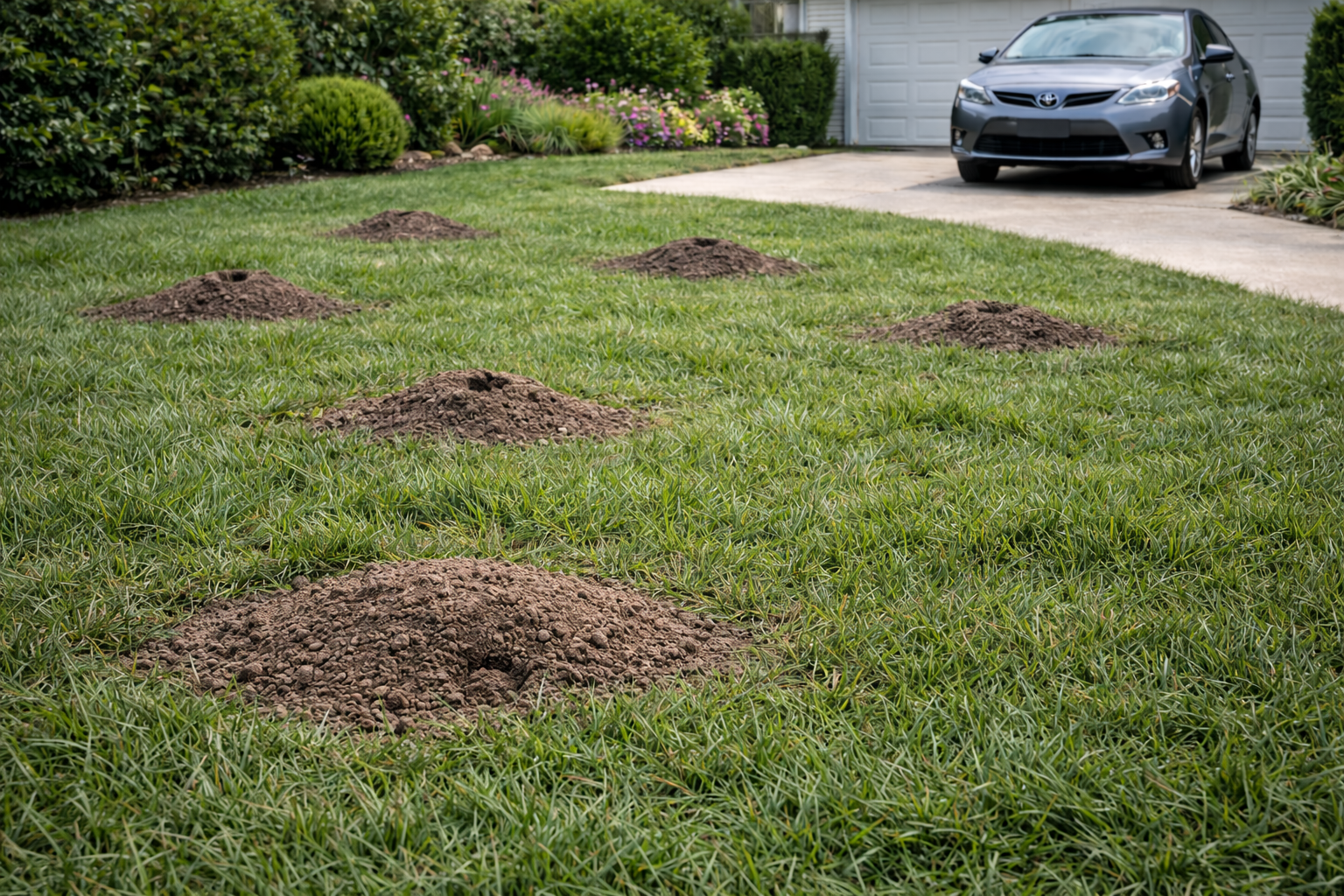
Gopher Activity in Montebello, CA

Montebello, located in Los Angeles County between the San Gabriel River and the Puente Hills, experiences regular gopher activity across both residential and undeveloped areas. The combination of the city's geography, soil composition, and suburban landscaping practices creates an environment where pocket gophers thrive year-round. Understanding gopher behavior and activity patterns in this specific region helps property owners recognize damage early and understand the ecological role these animals play in the local landscape.

Why Montebello Has Significant Gopher Activity

Montebello's geographical position in the Los Angeles Basin contributes substantially to its gopher populations. The city sits on alluvial soils deposited by the San Gabriel River, which are particularly suitable for burrowing. These soils tend to be moderately compacted, well-draining, and free of excessive clay content—conditions that allow pocket gophers to tunnel efficiently without excessive effort. The absence of rocky substrates in most residential and commercial areas means gophers encounter minimal resistance when establishing tunnel systems.

The climate pattern across Montebello supports year-round gopher activity. Winters are mild, with average low temperatures rarely dropping below 45°F, which means the ground does not freeze and remains accessible for tunneling throughout the season. Rainfall in Montebello occurs primarily between November and April, with annual precipitation averaging 14 to 16 inches. This seasonal moisture pattern creates optimal conditions for root development and plant growth, which in turn provides consistent food sources for gophers.

Irrigation systems throughout Montebello's neighborhoods inadvertently support gopher populations. Most residential properties, parks, and commercial landscaping rely on regular watering to maintain ornamental plants, vegetables, and turf. This artificial moisture extends the availability of tender plant roots and bulbs well beyond natural growing seasons, effectively creating a food supply that sustains gophers throughout the year. Additionally, the Puente Hills to the north and the proximity to the San Gabriel River riparian corridor mean that wild gopher populations continuously disperse into developed areas, replenishing local populations naturally.

Common Gopher Species in Montebello

The Botta's pocket gopher, scientifically known as Thomomys bottae, is the primary gopher species found throughout Montebello and the surrounding Los Angeles County region. This medium-sized rodent typically measures 5 to 7 inches in body length, with an additional 1 to 2 inches of tail. Adults generally weigh between 2 and 4 ounces, making them smaller than ground squirrels but substantially larger than mice or voles. The fur is typically brown to grayish-brown, though coloration can vary considerably depending on local soil conditions—gophers in Montebello often display darker coloring due to the region's dark alluvial soils.

Botta's pocket gophers derive their common name from the distinctive external cheek pouches used for carrying food and nesting material. These pouches line the inside of the cheeks and are lined with fur, allowing the animal to gather and transport roots, bulbs, and vegetation efficiently. The species exhibits well-developed front claws, which are essential for digging and excavating the extensive burrow systems that characterize their lifestyle. In Montebello, these gophers inhabit both actively landscaped residential properties and the native coastal sage scrub and grassland areas of the surrounding hills.

The local habitat preference for Botta's pocket gophers in Montebello includes properties with established vegetation, particularly those with fruit trees, ornamental shrubs, and perennial root systems. Vacant or undeveloped properties, especially those with native vegetation, harbor significant gopher populations. Parks with turf and landscaping, including the various neighborhood parks distributed throughout Montebello, provide ideal habitat. Unlike some gopher species that strictly prefer dry upland areas, Botta's pocket gophers tolerate a range of moisture conditions, which explains their success in both naturally moist riparian-influenced soils and regularly irrigated urban landscapes.

When Gopher Activity Peaks in Montebello

Gopher activity in Montebello exhibits pronounced seasonal patterns tied directly to the region's precipitation cycle and breeding schedule. The primary breeding season occurs from January through March, when seasonal rainfall is typically highest. During this period, soil moisture reaches peak levels, which softens the earth and makes tunnel excavation less energy-intensive. Males actively search for females during this window, resulting in increased surface activity and new burrow construction. Property owners often observe the most extensive mound creation during February and March.

Spring months (April and May) represent the second peak activity period, as newly independent juveniles disperse from established burrows to establish their own territory. Rainfall often continues into April in Montebello, maintaining favorable soil conditions. During spring, young gophers actively tunnel and forage, creating additional damage to lawns, gardens, and landscaping. This dispersal period explains why property owners frequently discover new gopher activity in previously unaffected areas of their yards during late spring.

Summer activity (June through August) typically decreases in intensity as the soil dries, making tunneling more difficult and forcing gophers to move deeper underground to access moisture and cooler soil temperatures. However, irrigated landscapes maintain active gopher populations throughout summer. Fall months see a gradual increase in activity as gophers prepare for winter and as occasional fall rains temporarily soften soil conditions. Winter activity continues at moderate levels, particularly in response to storm events. Understanding these seasonal patterns helps property owners anticipate when monitoring for new gopher activity becomes most important.

Signs of Gopher Damage in Montebello Yards

The most obvious and characteristic sign of gopher presence in Montebello yards is the appearance of fresh mounds—small hills of excavated soil pushed to the surface as gophers remove soil from their burrows. These mounds typically measure 4 to 8 inches in diameter and 2 to 4 inches high, appearing as roughly circular piles of soil. Unlike mole mounds, which are volcano-shaped with a hole in the center, gopher mounds are typically crescent or horseshoe-shaped, with the burrow entrance along one edge. Fresh mounds appear dark and moist, gradually drying and becoming less distinct over several weeks.

Gopher tunneling causes extensive damage to underground irrigation systems common throughout Montebello properties. Subsurface drip lines, buried water pipes, and valve boxes are frequently severed or crushed by gophers excavating burrows. Property owners often discover gopher presence only after noticing dry patches in lawns where irrigation lines have been damaged, or after observing water pooling in unexpected areas due to punctured buried lines. In some cases, extensive gopher burrowing near property foundations can cause soil settling and structural issues, particularly in older Montebello homes.

Above-ground plant damage provides additional evidence of gopher activity. Gophers girdle and consume roots of trees, shrubs, and perennial plants, causing wilting, yellowing, and eventual death of vegetation. Fruit trees common in Montebello yards—including citrus, avocado, and stone fruits—are particularly vulnerable. In vegetable gardens, gophers consume root crops, bulbs, and young seedlings. Herbaceous ornamental plants often disappear entirely, pulled underground as gophers consume both the plant and its roots. Complete sections of turf may suddenly die as gophers sever grass roots while tunneling, or as they consume the roots of decorative ground covers.

Landscape Considerations for Montebello Properties

Montebello's residential landscape aesthetic has evolved over decades, reflecting both mid-century suburban design patterns and contemporary drought-conscious California landscaping trends. Many established neighborhoods contain mature fruit trees—particularly citrus varieties—along with large shade trees such as sweetgum, liquidambar, and various oak species. More recent landscaping trends in Montebello emphasize California native plants, drought-tolerant ornamentals, and hardscape elements to reduce water consumption. These landscape choices have different implications for gopher vulnerability and management.

Traditionally landscaped Montebello properties with extensive turf, vegetable gardens, and irrigated ornamental plantings provide ideal gopher habitat and abundant food sources. Gophers show particular preference for certain plant species common in Montebello yards. Tender perennial roots, bulbs of ornamental plants, and cruciferous vegetables (broccoli, kale, cabbage) are especially attractive to gophers. Rosemary, sage, and other Mediterranean herbs popular in contemporary Montebello landscapes are less preferred by gophers, offering some protection when incorporated into landscaping plans.

Hardscape elements—including patios, pathways, and ground-level structures—provide some disruption to gopher tunnel systems and can create barriers that discourage burrowing in specific areas. Properties with extensive hardscaping, raised garden beds with solid bottoms, and container planting reduce gopher damage opportunities compared to traditional in-ground planting. Increasingly, Montebello property owners are adopting landscape designs that combine hardscape and gopher-resistant plant selections as a long-term strategy. However, even extensively hardscaped properties remain vulnerable to gopher activity in remaining soil areas, and irrigation system protection remains important regardless of overall landscape design choices.