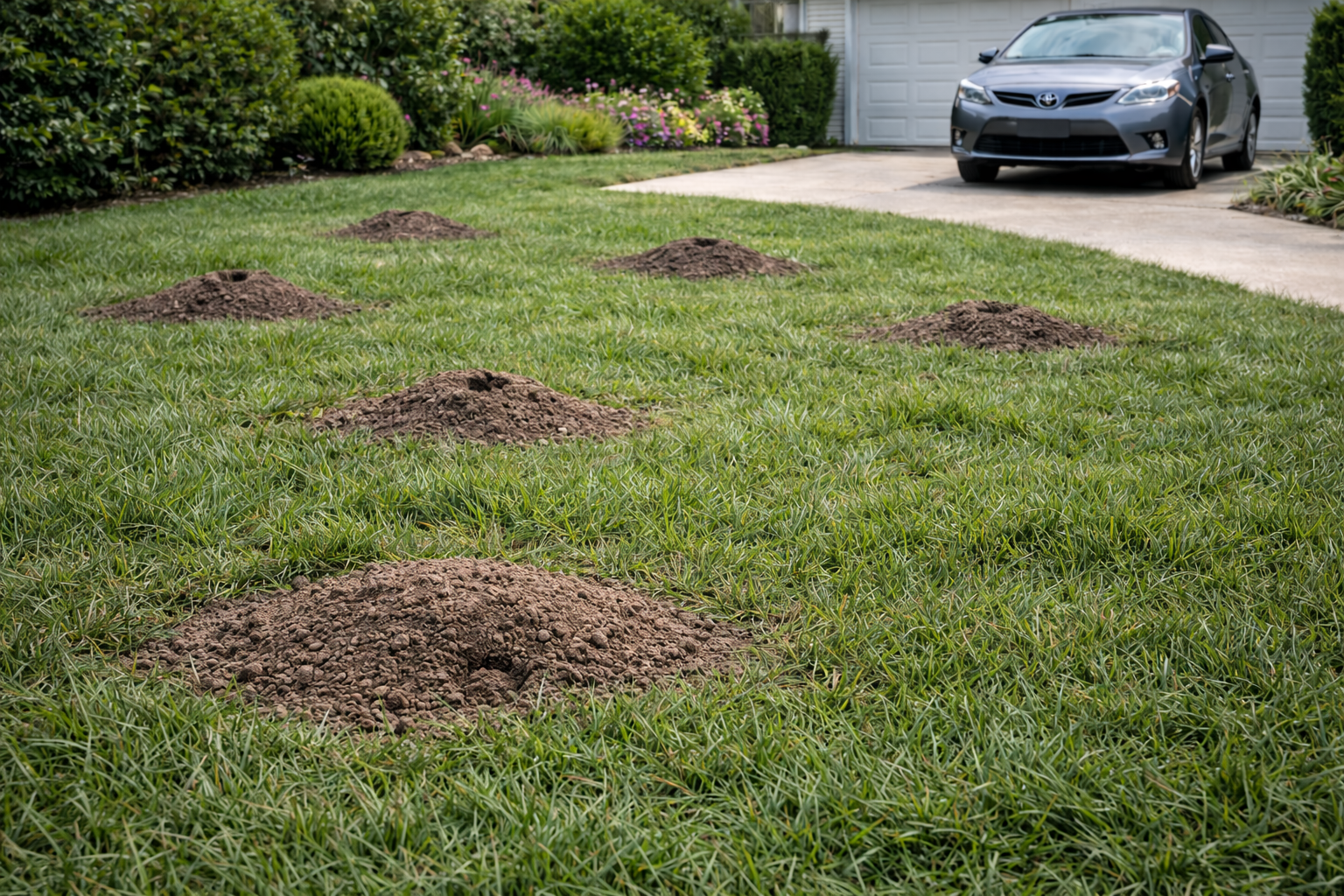
Gopher Activity in Moreno Valley, CA

Moreno Valley, situated in Riverside County's expanding residential and commercial landscape, experiences notable gopher populations that affect both newly developed properties and established neighborhoods. The city's combination of agricultural heritage, suburban growth, and proximity to undeveloped desert margins creates ideal conditions for these burrowing rodents. Understanding gopher presence in the area helps property owners recognize activity patterns and identify potential landscape damage before significant problems develop.

Why Moreno Valley Has Significant Gopher Activity

Moreno Valley's geographical location and environmental characteristics create particularly favorable conditions for gopher populations. The region sits in a semi-arid climate zone within Riverside County, characterized by hot summers and mild winters that allow year-round gopher activity. Unlike colder inland California regions where winter dormancy limits gopher movement, Moreno Valley's temperatures rarely drop enough to force sustained hibernation patterns.

The soil composition throughout Moreno Valley consists primarily of sandy loam and silty loam soils, which gophers find ideal for tunnel construction and burrow maintenance. These soil types, common across the Moreno Valley floor and surrounding foothill areas, offer minimal resistance to excavation while providing sufficient structural integrity to prevent tunnel collapse. The presence of extensive irrigation systems—both residential and commercial—adds moisture to surrounding soils, making them even more workable for burrowing activity.

Residential properties in Moreno Valley typically feature irrigated lawns, decorative plants, and vegetable gardens that attract gophers seeking both suitable soil conditions and food sources. The city's proximity to undeveloped land east and south of the main developed areas means gopher populations can migrate from surrounding desert and grassland margins into suburban neighborhoods. Properties near the Box Springs Mountains or the Santa Ana River watershed corridors experience more frequent gopher activity due to these migration pathways.

Common Gopher Species in Moreno Valley

The Botta's pocket gopher (Thomomys bottae) represents the predominant gopher species throughout Moreno Valley and the broader Inland Empire region. This species takes its common name from its external cheek pouches, which the animal uses to transport food and nesting materials through tunnel systems. Adult Botta's pocket gophers typically measure 5 to 7 inches in body length, with small eyes, large front teeth, and powerful front claws specifically adapted for digging.

Coloration in Botta's pocket gophers varies across Moreno Valley, ranging from light brown to dark gray, often matching local soil tones. This natural camouflage provides protection when individuals emerge at tunnel entrances. The species demonstrates solitary behavior except during breeding season, meaning individual gophers maintain and defend separate tunnel systems rather than living in colonies. A single gopher's burrow system can extend across a substantial area, encompassing feeding tunnels, nesting chambers, and lateral branches used for movement and shelter.

Botta's pocket gophers prefer areas with loamy, well-draining soils that characterize much of Moreno Valley's terrain. The species has successfully adapted to residential landscapes throughout the city, establishing populations in yards, parks, and landscaped commercial properties. Gophers in Moreno Valley neighborhoods typically remain underground, emerging only briefly to feed, gather nesting materials, or explore new territory. This secretive behavior means many property owners discover gopher presence only after noticing surface mounds or plant damage rather than observing the animals themselves.

When Gopher Activity Peaks in Moreno Valley

Gopher activity in Moreno Valley follows distinct seasonal patterns influenced by the local climate and breeding cycles. Late winter and early spring—typically January through March—marks peak breeding season for Botta's pocket gophers throughout Southern California, including Moreno Valley. During this period, males and females increase movement between tunnel systems as they seek mates, resulting in more visible surface activity and the creation of new mounds.

Spring rains, though variable in Moreno Valley, trigger increased gopher activity by softening soil and promoting vegetation growth that gophers consume. When precipitation does occur in the region's typically dry spring months, soil moisture levels rise, making tunneling easier and encouraging deeper burrowing into moisture-rich layers. Even minor rainfall can stimulate gopher activity as plants respond to moisture with new growth that attracts feeding activity.

Summer presents a secondary activity period in Moreno Valley, as high temperatures and limited natural moisture drive gophers to seek water sources associated with maintained landscapes and irrigation systems. Property owners who maintain consistent lawn watering year-round inadvertently create attractive habitat that sustains gopher populations throughout the otherwise dry season. Fall activity remains moderate in Moreno Valley, while winter months show reduced but not eliminated gopher movement as the species continues activity despite cooler nighttime temperatures that rarely become severe enough to restrict burrowing.

Signs of Gopher Damage in Moreno Valley Yards

Surface mounds represent the most visible and recognizable sign of gopher activity in Moreno Valley properties. These mounds, created when gophers push soil from their tunnel systems to the surface, typically measure 4 to 6 inches in height with diameters ranging from 8 to 18 inches. Mound formation patterns help distinguish gopher activity from other burrowing animals; gophers create characteristically asymmetrical mounds with off-center soil plugs, while other species often leave more regular openings.

Gophers cause direct damage to landscape irrigation systems throughout Moreno Valley. As burrow tunnels intersect with drip lines, buried irrigation tubing, or irrigation valve boxes, gophers inadvertently damage the infrastructure through their digging activities. Property owners frequently discover damaged irrigation components only after noticing water pooling in unexpected areas or dry sections of previously watered landscape. Underground damage often proves more costly to repair than surface mound removal, particularly in properties with extensive automated irrigation systems common in Moreno Valley neighborhoods.

Plant damage provides additional evidence of gopher presence. Gophers feed on roots and underground portions of bulbs, potentially killing decorative plants, shrubs, and vegetables from beneath the soil surface. Property owners notice plants wilting despite adequate watering, or discovering completely severed root systems when removing dead plants. Gophers demonstrate particular preference for roots of certain landscape plants popular in Moreno Valley yards, including citrus trees, fruit trees, and vegetable gardens, making these plantings especially vulnerable to population pressure.

Landscape Considerations for Moreno Valley Properties

Moreno Valley's landscaping aesthetics and practices significantly influence gopher activity patterns across residential and commercial properties. The region's predominant landscape style emphasizes water-efficient xeriscaping combined with decorative turf areas, particularly in established neighborhoods like Moreno Valley Ranch and properties surrounding downtown commercial districts. This mixture of maintained green space and drought-resistant plantings creates varied habitat that both attracts and accommodates gopher populations.

Certain landscape plants commonly used throughout Moreno Valley demonstrate particular vulnerability to gopher damage. Fruit trees, including the citrus and apple trees popular in residential yards, attract gophers due to accessible root systems. Ornamental shrubs, particularly those requiring regular irrigation, establish in areas where soil moisture remains elevated due to consistent watering schedules. Vegetable gardens, maintained by many Moreno Valley residents across various neighborhoods, represent highly attractive gopher habitat due to the combination of tender plant roots and regularly disturbed, easily worked soil.

Properties emphasizing hardscape elements—patios, decorative rock, built-in planters, and constructed water features—may experience reduced gopher activity compared to intensively planted properties. However, the transition zones between hardscape and softscape areas often attract concentrated gopher activity as animals establish burrows in soil adjacent to paved surfaces. Moreno Valley properties that have transitioned from agricultural land to suburban use sometimes reveal established gopher populations accustomed to the specific soil and vegetation composition of the area, making population management an ongoing consideration across multiple seasonal cycles.