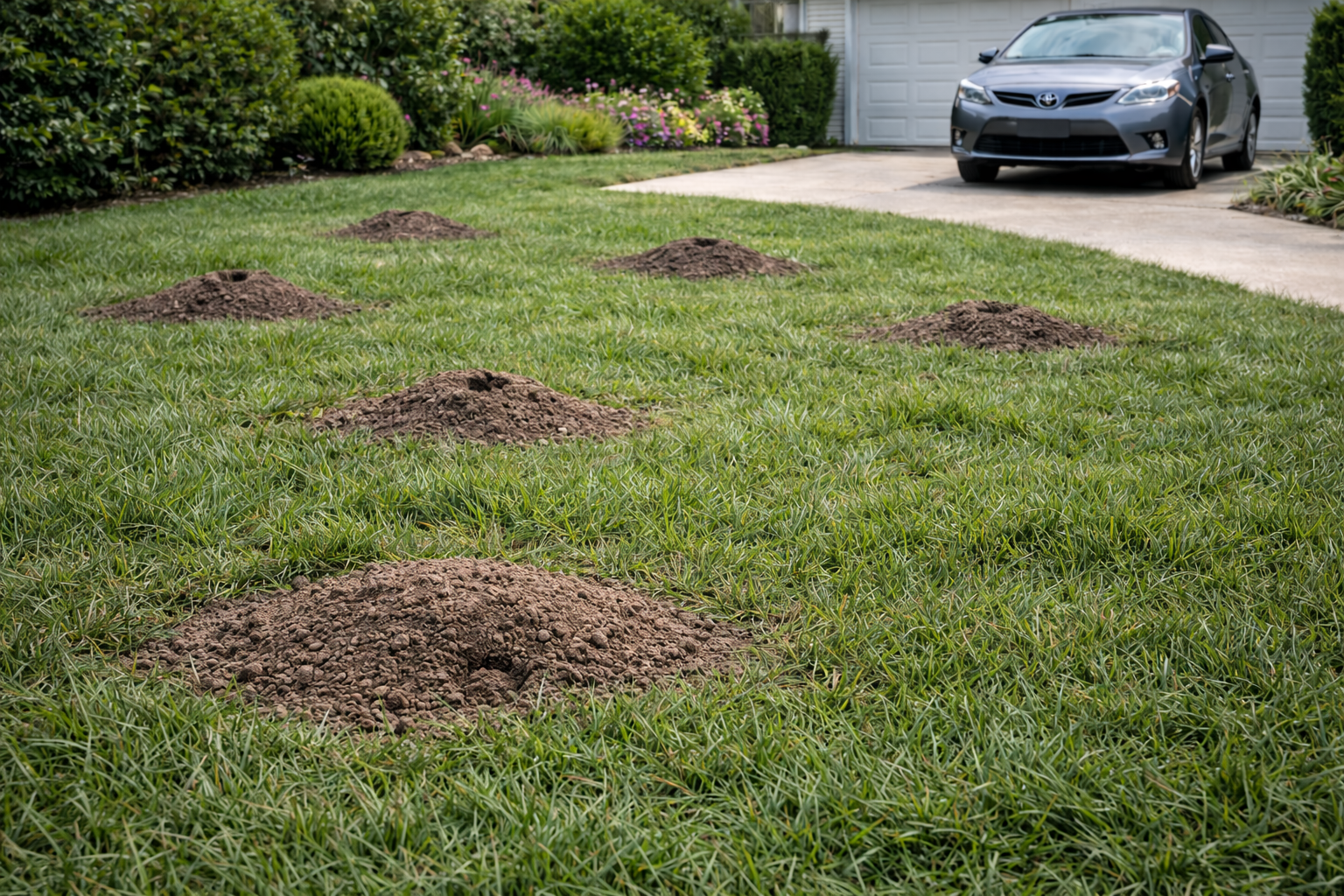
Gopher Activity in Norco, CA
Gophers are a persistent presence throughout Norco, California, a community in western Riverside County known for its equestrian culture and expansive properties. The combination of favorable soil conditions, abundant irrigation infrastructure, and proximity to undeveloped land creates an ideal environment for pocket gopher populations to thrive. Property owners in Norco frequently encounter evidence of gopher activity, from visible mounds in yards to damage affecting landscaping and irrigation systems.
Why Norco Has Significant Gopher Activity
Norco's geography and climate create particularly favorable conditions for gopher populations. The region sits in the Santa Ana River basin, characterized by alluvial soils that are relatively easy for gophers to excavate compared to harder clay or rocky substrates found in surrounding foothill areas. The soil composition—primarily sandy loam with moderate clay content—allows pocket gophers to construct their extensive tunnel systems with less effort, enabling them to establish larger colonies and expand territories more efficiently.
The presence of extensive irrigation systems throughout Norco contributes significantly to gopher activity. Most properties in the community rely on landscaping irrigation, landscape water features, or agricultural irrigation to maintain vegetation in the semi-arid climate. Gophers are attracted to areas with consistent moisture, as it softens the soil and supports the root systems and vegetation they consume. This irrigation creates corridors of activity throughout residential neighborhoods.
Norco's semi-arid Mediterranean climate, with annual rainfall typically between 10 and 15 inches concentrated in winter months, generates seasonal moisture patterns that influence gopher behavior. The community experiences hot, dry summers and mild winters with occasional frost. Spring months, following winter rains, bring peak gopher activity as soil becomes workable and vegetation begins rapid growth. The proximity of Norco to undeveloped land, including areas managed as open space and equestrian preserves, provides gopher populations with natural habitat corridors extending into residential areas.
Common Gopher Species in Norco
The Botta's pocket gopher (Thomomys bottae) is the predominant gopher species throughout Norco and the broader Riverside County region. This species derives its common name from the large, fur-lined cheek pouches it uses to transport food and nesting materials through tunnel systems. Botta's pocket gophers are medium-sized rodents, typically weighing between 2 and 4 ounces, with body lengths ranging from 5 to 7 inches, though tail length varies considerably among individuals.
Physical identification of Botta's pocket gophers reveals several distinctive characteristics. The species displays small eyes positioned high on the skull, a feature reflecting their underground lifestyle and reduced reliance on vision. Front claws are notably enlarged, specialized for digging and moving soil. Coloration varies across Norco populations, ranging from dark brown to tan and occasionally almost black, though most individuals in the region display medium brown fur. The species is solitary and territorial, with each adult maintaining a distinct burrow system.
Botta's pocket gophers construct extensive tunnel networks that can extend across multiple properties. Within Norco neighborhoods, a single gopher's territory may encompass an area of 200 to 2,000 square feet, depending on soil quality and food availability. The burrow systems typically feature multiple entrance and exit points, with tunnels running both near the soil surface for feeding and deeper for nesting and food storage. These underground highways become visible to property owners as a network of characteristic mounds across lawns and landscaped areas.
When Gopher Activity Peaks in Norco
Gopher activity in Norco follows distinct seasonal patterns influenced by local climate and reproductive cycles. January through March represents peak breeding season for Botta's pocket gophers throughout the region. During this period, male gophers increase activity as they search for females, expanding their territories and creating additional surface mounds. Property owners typically observe the most dramatic mounding activity during late winter and early spring months when soil moisture from regional rainfall makes digging easier.
The spring season, extending from March through May, coincides with rapid vegetation growth following winter precipitation patterns. Gophers actively feed on emerging plant roots and tender shoots during this growth period, intensifying their tunneling and feeding activities. Soil conditions during spring are optimal for gopher excavation—moist enough to be workable but not waterlogged. This seasonal combination creates the most visible gopher presence throughout Norco yards and landscapes.
Summer months, from June through September, typically show reduced gopher surface activity as soil becomes harder and drier. However, gophers remain active underground, particularly in irrigated areas where moisture persists. Fall months bring another period of increased activity as gophers prepare for winter, gathering and storing seeds and roots in underground chambers. December and January show variable activity levels depending on rainfall patterns and soil conditions. Understanding these seasonal fluctuations helps property owners in Norco recognize when gopher populations are most likely to cause noticeable damage.
Signs of Gopher Damage in Norco Yards
The most visible sign of gopher presence throughout Norco is the characteristic mound—a crescent or horseshoe-shaped mound of loose soil typically 4 to 6 inches in diameter and 2 to 4 inches high. Gophers create these mounds by pushing soil upward from their tunnels using their heads and front legs. Unlike mole mounds, which are often symmetrical and volcano-shaped, gopher mounds display the distinctive side-opening characteristic of their burrowing pattern. A single property in Norco might display dozens of these mounds depending on colony size and tunnel extent.
Subsurface tunnel damage affects irrigation systems throughout Norco properties. Gophers tunnel near the soil surface, damaging drip lines, soaker hoses, and buried PVC pipe associated with landscape irrigation. In properties with underground sprinkler systems common to Norco equestrian and suburban neighborhoods, gophers may tunnel beneath risers and lateral lines, reducing system pressure and creating dry patches within irrigated areas. This damage often appears as suddenly declining plant vigor in previously healthy landscape sections.
Plant damage from gopher activity appears in multiple forms across Norco yards and gardens. Gophers consume roots, tubers, and bulbs, causing plants to wilt suddenly despite adequate soil moisture. Fruit trees and ornamental plantings sometimes display girdling damage where gophers have consumed bark and cambium at the root collar, eventually killing the plant. In vegetable gardens common to many Norco properties, gophers pull plants downward into tunnel systems while feeding on root systems, leaving gaps in planting rows and partially consumed plants at tunnel entrances.
Landscape Considerations for Norco Properties
Norco's landscape character reflects its equestrian heritage and semi-arid climate. Many properties feature large grass areas maintained for horse pasture or aesthetic purposes, with decorative landscaping concentrated near residences. The community includes neighborhoods with smaller suburban lots featuring ornamental plantings and drought-resistant landscaping alongside larger equestrian properties with extensive open space. This mix creates variable conditions for gopher activity, with irrigated landscape zones attracting more intensive gopher presence than drier, less-maintained areas.
Certain plant species common to Norco landscaping attract particular gopher interest. Gophers prefer tender, succulent roots and readily damage established fruit trees including apple, pear, and citrus varieties found throughout the community. Ornamental bulbs, particularly tulips and daffodils planted in Norco fall landscapes, prove irresistible to gophers seeking underground food sources. Newly planted trees and shrubs with tender root systems face greater vulnerability than established plantings with woody, less palatable roots. Native drought-resistant plants including various ceanothus and desert plants generally experience less gopher predation than water-demanding exotic ornamentals.
The layout of Norco properties influences gopher damage patterns. Properties with extensive turf areas and landscaping irrigation experience more intensive gopher activity than those featuring hardscape elements, decorative rock, and minimal irrigation. Homes located near open space preserves and undeveloped land bordering Norco face greater gopher pressure as populations expand from natural habitats into residential areas. Understanding these landscape-based patterns helps property owners recognize why certain areas of their yards attract more gopher activity than others and why some neighboring properties experience more significant impacts than others in the same community.
For professional gopher control in Southern California, visit Rodent Guys — serving Los Angeles, Orange, San Bernardino, and Riverside counties.