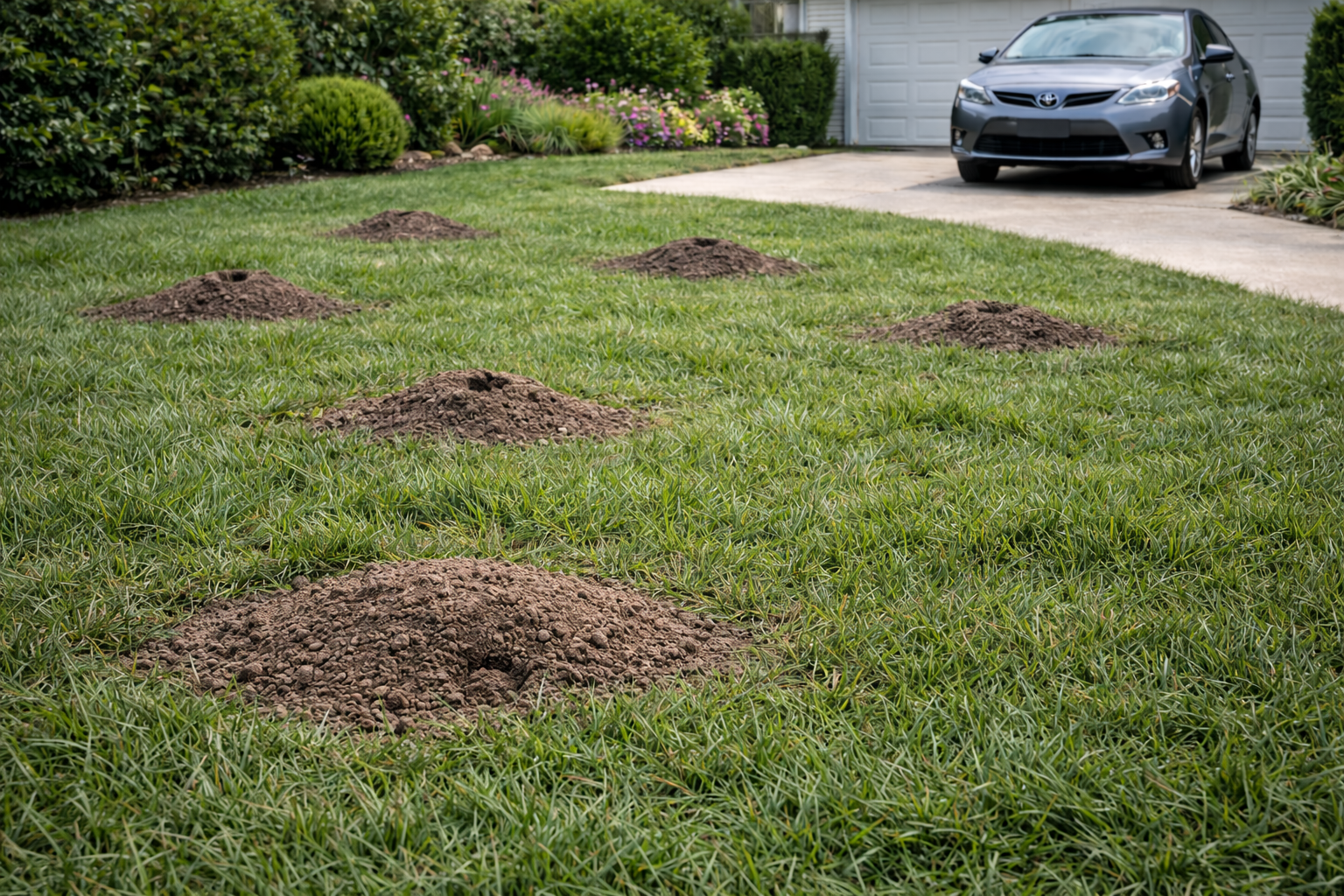
Gopher Activity in North Hollywood, CA

North Hollywood, situated in the San Fernando Valley region of Los Angeles, experiences consistent gopher activity throughout the year. The combination of residential landscaping, irrigated yards, and proximity to undeveloped hillside areas creates an ideal environment for gopher populations to establish and thrive. Property owners in this neighborhood frequently encounter signs of burrowing activity, particularly in areas with established gardens, lawns, and ornamental plantings.

Why North Hollywood Has Significant Gopher Activity

The San Fernando Valley's geology and environmental conditions make North Hollywood particularly susceptible to gopher colonization. The area sits on alluvial plains with sandy loam and clay loam soils that are relatively easy for gophers to excavate. These soil compositions, deposited over centuries by water flow from the surrounding hills, create minimal resistance to burrow construction compared to harder, more compacted soils found in other regions.

North Hollywood's irrigation infrastructure significantly amplifies gopher presence. The neighborhood's Mediterranean climate—characterized by hot, dry summers and mild, wet winters—necessitates year-round irrigation for maintaining the suburban landscape aesthetic common throughout the area. Irrigated soil remains softer and more workable than naturally dry earth, enabling gophers to expand their tunnel systems with less energy expenditure. Additionally, irrigation systems create moisture gradients that attract gophers seeking hydration and tender plant roots.

The proximity of North Hollywood to the Los Angeles National Forest and undeveloped hillside areas in the northern sections of the neighborhood provides refuge populations and natural corridors for gopher dispersal. Animals from these wild areas periodically migrate into developed properties, establishing new burrow systems in yards and gardens. The temperate valley climate supports year-round activity, unlike cooler mountain regions where gopher tunneling diminishes during winter months.

Common Gopher Species in North Hollywood

The Botta's pocket gopher (Thomomys bottae) represents the dominant gopher species throughout North Hollywood and the broader San Fernando Valley region. These medium-sized rodents typically measure 5 to 7 inches in body length, with relatively short tails measuring 1 to 1.5 inches. Their stocky, cylindrical bodies are perfectly adapted for underground excavation, featuring powerful front legs with enlarged claws and small eyes positioned high on their heads—adaptations enabling efficient movement through soil.

Botta's pocket gophers display variable coloration depending on soil composition in their immediate habitat. In North Hollywood's lighter, sandy soils, individuals often exhibit tan or light brown fur, while those inhabiting areas with darker clay-rich earth may display darker brown or nearly black pelage. The species name "Botta's" honors Paolo Emilio Botta, a 19th-century Italian naturalist. These gophers possess expandable cheek pouches—the namesake "pocket" feature—which they use to transport food and nesting materials through their tunnel systems.

Botta's pocket gophers are solitary, territorial animals that typically occupy individual burrow systems spanning several hundred square feet. Within North Hollywood neighborhoods, each gopher generally maintains one primary burrow system, though multiple animals may inhabit the same property in different locations. They are active year-round, with activity patterns shifting seasonally based on breeding cycles, food availability, and environmental conditions.

When Gopher Activity Peaks in North Hollywood

Gopher activity in North Hollywood demonstrates pronounced seasonal variation, with the most noticeable surface disturbance occurring during spring months. The breeding season, spanning January through March, correlates with increased territorial behavior and burrow expansion as males search for mates. During this period, residents frequently observe fresh mounding activity as gophers reinforce existing burrows and excavate new tunnels.

Spring rainfall intensifies gopher tunneling behavior through February and March as increased soil moisture makes digging easier and triggers the emergence of tender plant growth. Gophers feed heavily during this season on new vegetation, bulbs, and shoots appearing in North Hollywood yards as the rainy season progresses. The combination of mating activity and abundant food resources creates peak visible evidence of gopher presence during late winter and early spring.

Summer activity, while continuous, becomes less visually apparent as the dry season hardens surface soils and gophers concentrate tunneling efforts below the active growing zone. Fall months bring another moderate activity increase as gophers prepare for winter and feed on available seeds, roots, and stored plant material. Winter activity remains significant, though reduced precipitation and cooler temperatures in the San Fernando Valley slow surface mounding compared to other seasons. Understanding these seasonal patterns helps North Hollywood residents anticipate when gopher presence becomes most evident in their yards.

Signs of Gopher Damage in North Hollywood Yards

Mounding represents the most recognizable sign of active gopher presence in North Hollywood properties. Fresh mounds appear as slightly raised, fan-shaped or horseshoe-shaped accumulations of loose soil, typically 2 to 4 inches in height and 6 to 12 inches in diameter. Unlike moles, which create ridge-like raised tunnels, gophers push excavated soil directly upward, creating discrete mounds. Multiple mounds clustered across a yard indicate active burrow systems; their presence on driveways, sidewalks, and landscape beds demonstrates how extensively gophers tunnel through developed properties.

Underground damage to irrigation systems constitutes a significant concern for North Hollywood homeowners. Gopher tunnels frequently intersect with drip lines, soaker hoses, and buried pipes, either puncturing them directly or creating voids that disrupt water delivery. Properties may experience unexpected dry spots in otherwise well-irrigated lawns, indicating compromised irrigation infrastructure. Similarly, plant damage manifests through wilting, yellowing, or sudden death of established trees and shrubs as gophers sever roots below the soil surface while tunneling.

Vegetable gardens and ornamental beds suffer particularly acute gopher damage. Gophers consume bulbs, seeds, tubers, and root crops, often pulling plants entirely below ground as they feed. Apple and stone fruit trees common in North Hollywood yards face root damage that compromises health and productivity. The tunneling process itself damages plant root systems by creating air pockets that desiccate roots and destabilize soil around plants, causing them to lean or topple despite appearing healthy above ground.

Landscape Considerations for North Hollywood Properties

North Hollywood's landscape character reflects typical San Fernando Valley suburban development patterns, featuring a mix of native oak and walnut trees, drought-tolerant plantings, ornamental gardens, and maintained lawns. Many properties retain heritage fruit trees—apple, peach, and apricot—from earlier agricultural land use, planted alongside contemporary landscape elements including Mediterranean plants and native California species. This diverse horticultural mix creates varied gopher attractants throughout the neighborhood.

Certain plants common in North Hollywood yards suffer disproportionately from gopher activity. Ornamental bulbs including tulips, daffodils, and crocus—frequently planted in North Hollywood gardens—constitute preferred gopher foods. Root vegetables such as carrots, turnips, and potatoes attract gophers to vegetable gardens. Fruit trees, particularly younger specimens with tender roots, face significant damage from tunneling activity that compromises their structural integrity and vascular function.

Hardscape elements including patios, walkways, and decorative stone work remain unaffected by gophers but paradoxically may concentrate gopher activity in adjacent softscape areas as animals tunnel beneath impervious surfaces. Properties relying heavily on ornamental grasses, ground covers, and shallow-rooted plantings experience more extensive visible damage than those featuring deep-rooted tree-dominated landscapes. Understanding the relationship between specific plant choices and gopher vulnerability enables North Hollywood residents to make informed landscaping decisions that either accommodate or discourage gopher populations based on property management preferences.