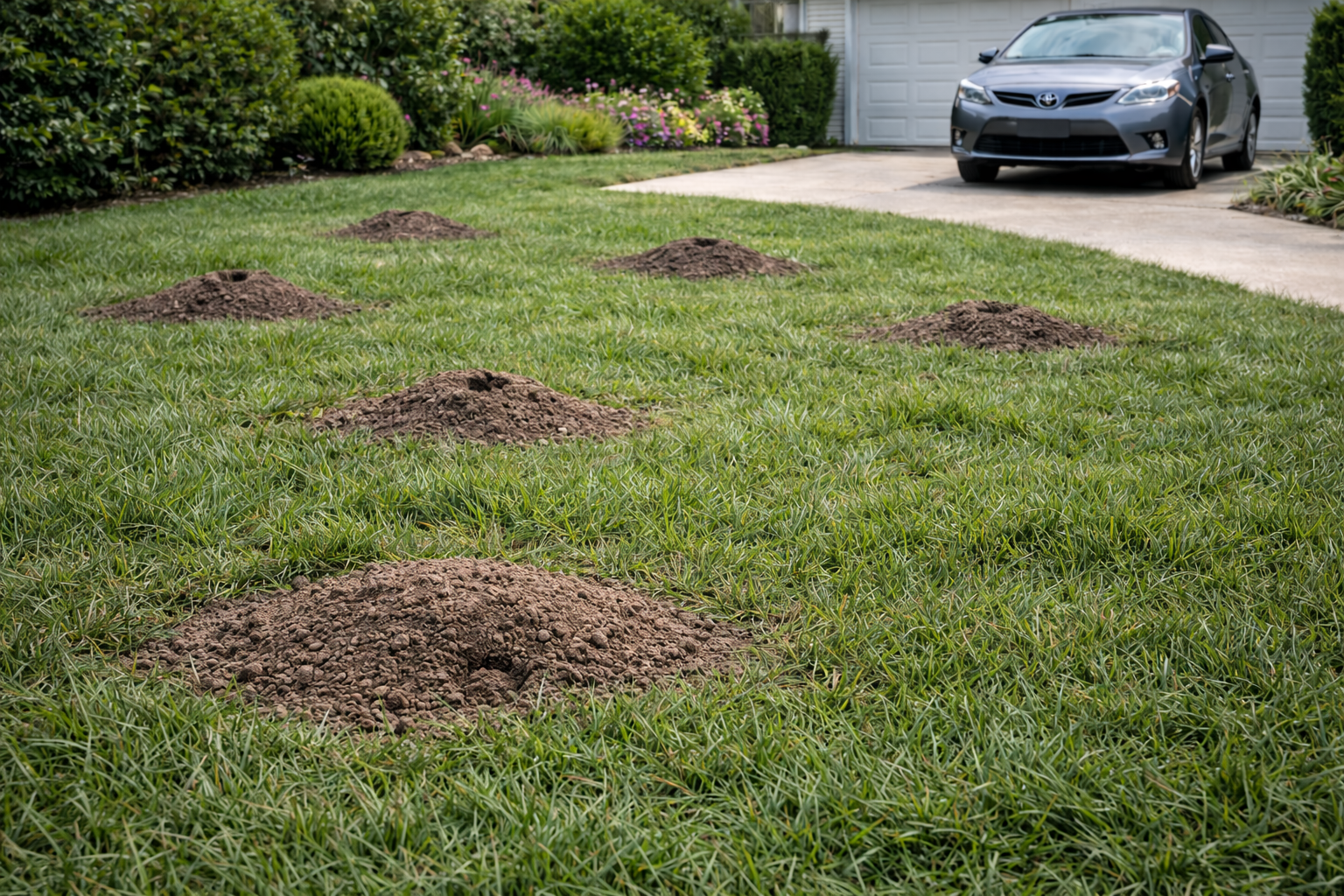
Gopher Activity in Northridge, CA

Northridge, located in the San Fernando Valley region of Los Angeles, experiences year-round gopher activity that affects residential and commercial properties throughout the community. The combination of imported ornamental landscaping, reliable irrigation systems, and proximity to native shrubland creates ideal conditions for pocket gopher populations. Understanding the patterns and characteristics of gopher activity in this specific area helps property owners recognize problems early and make informed decisions about landscape management.

Why Northridge Has Significant Gopher Activity

Northridge's geographical position and environmental conditions create a particularly suitable habitat for pocket gophers. The area sits within the San Fernando Valley, characterized by alluvial soils deposited from historical water runoff patterns. These soils—typically a mix of sandy loam and clay loam—are relatively easy for gophers to excavate compared to compacted urban soil in other regions. The valley's elevation ranges from approximately 700 to 1,200 feet, placing Northridge in a transitional zone between urban development and the Santa Susana Mountains to the north.

The climate in Northridge experiences Mediterranean patterns typical of the Los Angeles basin, with dry summers and mild, occasionally wet winters. Annual rainfall averages between 12 and 15 inches, concentrated in the November through March period. While this precipitation alone would not sustain large gopher populations, residential and commercial irrigation systems provide consistent moisture year-round. Automated sprinkler systems in yards, parks, and landscaped areas create moist soil conditions that gophers prefer for tunneling and for the plant roots and bulbs they consume.

Beyond soil and climate factors, Northridge's location near open spaces amplifies gopher activity. The community borders areas with native sage scrub and chaparral habitat that naturally support gopher populations. Wildlife corridors connecting these wild areas to residential neighborhoods allow gopher movement into developed zones. Additionally, many Northridge properties feature ornamental plantings—fruit trees, vegetable gardens, flowering bulbs, and decorative shrubs—that provide abundant food sources gophers actively seek out.

Common Gopher Species in Northridge

The primary gopher species found in Northridge is the Botta's pocket gopher, scientifically known as Thomomys bottae. This species occurs throughout California's interior valleys and coastal regions and is the most common pocket gopher encountered in Los Angeles County properties. Botta's pocket gophers are medium-sized rodents, typically measuring 6 to 8 inches in body length with a relatively short tail of 1 to 2 inches. Their fur coloration ranges from brown to grayish-brown, providing effective camouflage in soil environments.

Several physical characteristics distinguish Botta's pocket gophers from other rodent species found in Northridge. They possess enlarged front incisor teeth visible even when the mouth is closed, powerful front legs with prominent claws adapted for digging, and small eyes suited to their subterranean lifestyle. Pocket gophers get their common name from fur-lined cheek pouches used to transport food and nesting material through tunnel systems. A single gopher can maintain tunnel networks spanning 200 to 600 feet, depending on food availability and soil conditions.

Botta's pocket gophers are solitary animals, with each individual or breeding pair defending a tunnel system from intruders. This territorial behavior means that multiple gopher mounds appearing across a property likely indicate multiple animals rather than a single individual. In Northridge's residential areas, gophers establish territories in yards with adequate food, moisture, and loose soil. They prefer areas with established plantings and consistent irrigation over newly graded or compacted soil, which explains why mature landscapes in neighborhoods like the Northridge Park area and along Lindley Avenue corridors often show more gopher activity than newer developments.

When Gopher Activity Peaks in Northridge

Gopher activity in Northridge follows seasonal patterns influenced by the region's climate and the animals' breeding cycle. The primary breeding season occurs from January through March, coinciding with Northridge's cool winter months and early spring. During this period, males actively seek females, resulting in increased tunnel construction and surface activity as males expand their ranges. Property owners often notice elevated mound appearance during these months, though the underlying cause—increased movement and excavation—may go unrecognized.

Spring rains, which typically arrive in February and March in the San Fernando Valley, also influence gopher activity patterns. Precipitation softens soil, making tunneling easier and encouraging gophers to expand existing tunnel systems. The increased moisture also stimulates plant growth, providing fresh food sources that attract gophers to previously less-active areas. As soil dries during late spring and early summer, gophers may shift activity toward areas with active irrigation, making regularly watered gardens and landscaped zones hotspots during the dry season from May through October.

Fall activity, beginning in September and extending through November, represents a secondary period of increased gopher movement. Animals prepare for winter by accumulating food stores and adjusting tunnel systems. Northridge's occasional autumn rains during October and November again soften soil, facilitating this preparation phase. Throughout the year, gophers in Northridge remain active, though their visibility to human observers fluctuates with seasonal and moisture-driven conditions. Winter months, despite being cooler, typically show the most obvious surface signs due to breeding behavior and the contrast of fresh brown soil against dormant or less vigorous winter vegetation.

Signs of Gopher Damage in Northridge Yards

The most visible sign of gopher activity is the appearance of mounds—conical or crescent-shaped accumulations of excavated soil pushed to the surface. In Northridge yards, these mounds typically measure 3 to 6 inches in height and 8 to 12 inches in diameter, though size varies depending on soil composition and gopher species. Botta's pocket gopher mounds characteristically appear as crescent shapes, with the gopher pushing soil to one side of a tunnel opening rather than directly upward. Property owners can distinguish gopher mounds from those of moles or ground squirrels by observing the mound shape and the presence of a plug—gophers typically close their tunnels with soil after creating a mound, whereas moles leave open holes.

Beyond surface mounding, gophers cause damage to irrigation infrastructure and plant material. Shallow tunnel systems frequently cut through irrigation lines, creating breaks that waste water and necessitate repairs. In Northridge properties with drip irrigation or underground spray systems—common in the area due to water conservation emphasis—gopher tunneling often results in system failures. Damage to plant material includes the disappearance of flowers, vegetables, and shrubs pulled underground for consumption. Gophers particularly target bulbs, roots, and below-ground plant portions, meaning damage is often discovered only when a plant fails to emerge or suddenly withers.

Indirect signs of gopher activity include areas of subsidence or settling where tunnel networks undermine soil structure. After extended tunneling, soil above tunnel systems may collapse or settle, creating depressions or uneven surfaces in lawns. In Northridge neighborhoods with mature trees, gophers may girdle or damage root systems, weakening trees and making them susceptible to disease or failure. Gardeners frequently report mysterious plant decline in otherwise well-maintained Northridge properties, with gopher root damage being an often-overlooked cause. Fresh soil mounds appearing after irrigation or rainfall, particularly in spring months, provide the clearest indication of active gopher presence and should prompt closer inspection of yard conditions.

Landscape Considerations for Northridge Properties

Northridge's diverse neighborhoods feature varied landscape styles reflecting different architectural periods and homeowner preferences. Spanish Colonial Revival homes common in areas like Chatsworth-Northridge East often feature Mediterranean-style drought-tolerant plantings alongside more traditional ornamental gardens. Mid-century properties scattered throughout Northridge may have more minimalist landscape designs with strategic specimen plantings. Contemporary suburban developments often incorporate mixed hardscape and softscape approaches, combining paved areas with planted zones. Each landscaping style presents different vulnerabilities to gopher activity and requires tailored awareness.

Certain plant species commonly found in Northridge landscapes are particularly attractive to gophers. Fruit trees—including lemon, avocado, and fig trees common to many Northridge properties—attract gophers through both their foliage and root systems. Ornamental bulbs such as tulips, daffodils, and lilies are considered delicacies by gophers and disappear entirely when gophers are present. Root vegetables including carrots, turnips, and potatoes vanish from vegetable gardens seemingly overnight. Conversely, gophers show less interest in some plants, including established California native shrubs like coyote brush and California buckwheat, though palatability varies with soil conditions and alternative food availability.

Properties with extensive softscape—areas of lawn, gardens, and planted beds with minimal hardscape features—tend to experience more noticeable gopher activity than properties with significant paving, structures, and reduced planted areas. Northridge properties with large lawns, particularly those maintained with regular irrigation, provide ideal gopher habitat. In contrast, homes with expansive patios, walkways, and hardscaping create barriers limiting gopher movement and reducing habitat quality. Mulched planting beds, popular in water-conscious Northridge landscapes, attract gophers by protecting soil moisture and creating ideal conditions for tunnel maintenance. Understanding these landscape-gopher relationships helps property owners recognize that their specific landscaping choices directly influence the likelihood and severity of gopher problems on their properties.