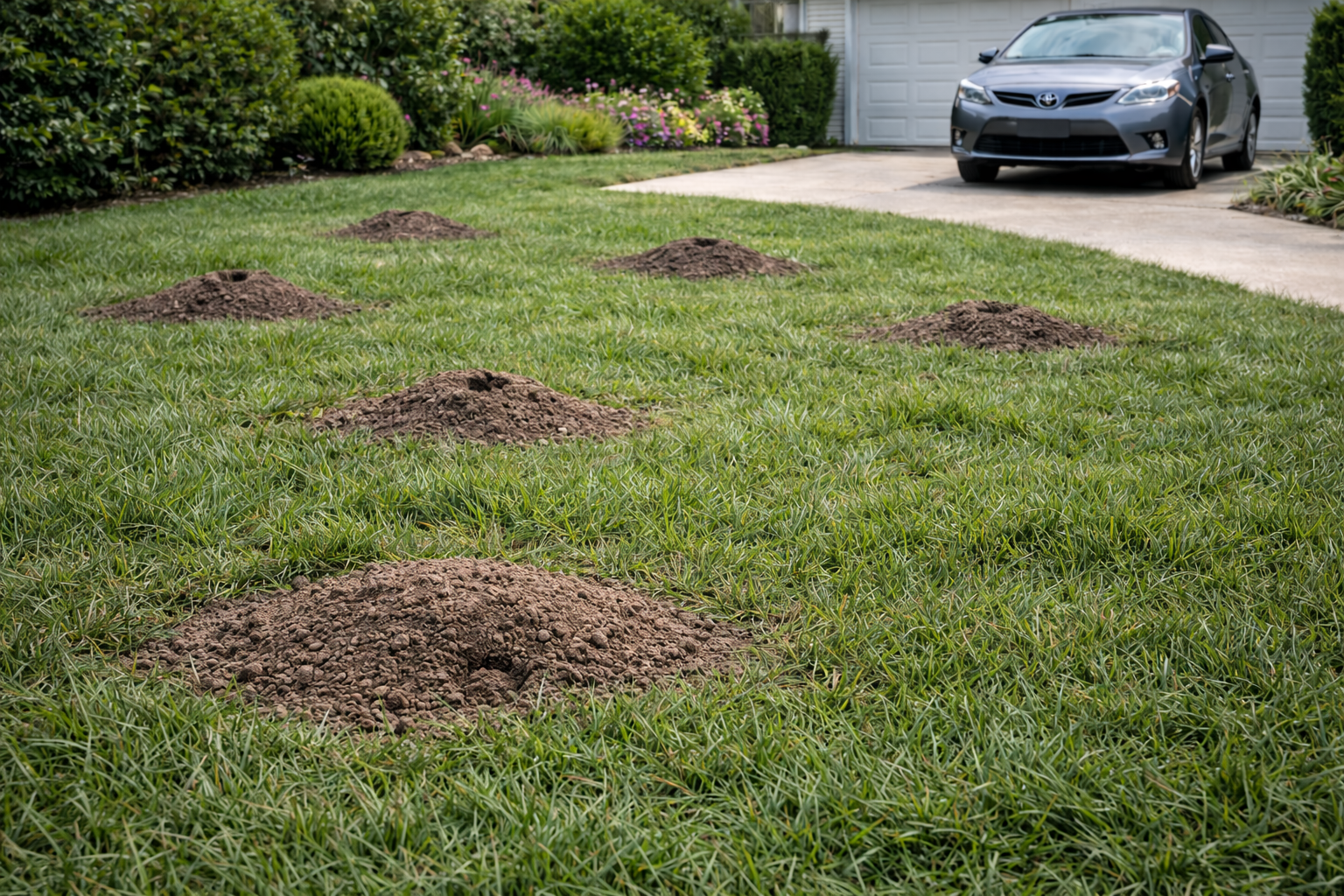
Gopher Activity in Norwalk, CA
Norwalk, located in southeastern Los Angeles County, experiences substantial gopher activity throughout the year, making it one of the more affected communities in the region for burrowing rodent populations. The combination of suburban landscaping, irrigated yards, and proximity to undeveloped areas creates ideal conditions for pocket gophers to establish and maintain active colonies. Property owners throughout Norwalk frequently encounter the distinctive mounding and tunneling characteristic of these persistent underground dwellers.
Why Norwalk Has Significant Gopher Activity
Norwalk's geography and environmental conditions make it particularly susceptible to gopher colonization. The area sits in the Los Angeles Plain with predominantly clay loam and silty loam soils, which are ideal for burrowing because they hold their shape when excavated into tunnel systems. Unlike sandy or rocky soils that collapse easily, Norwalk's soil composition allows pocket gophers to maintain stable, complex burrow networks with minimal effort.
The region's irrigation infrastructure amplifies gopher attraction and survival rates. Most Norwalk properties—whether residential yards in neighborhoods like Old Town Norwalk, Marina Palms, or Bel Air West—utilize sprinkler systems or drip irrigation to maintain lawns and landscaping in the semi-arid Southern California climate. Gophers are drawn to moist soil because it's easier to tunnel through and because irrigation systems concentrate plant roots that serve as their primary food source. The relatively flat topography of Norwalk also means water distributes evenly, creating consistent moisture levels that gophers exploit.
Climatic patterns further support year-round gopher activity. Norwalk's average annual rainfall of approximately 12-14 inches, concentrated primarily between November and March, creates seasonal soil softening that facilitates burrowing. However, the availability of irrigated vegetation during the dry summer months (June through September) sustains gopher populations even when natural moisture diminishes. Temperatures rarely drop below freezing, eliminating winter dormancy periods that might suppress activity in colder regions.
Additionally, Norwalk's location adjacent to the Santa Fe Springs oil field area and proximity to remaining undeveloped patches along the San Gabriel River riparian corridor means wild gopher populations continuously migrate into residential zones, replenishing colony numbers even when property owners attempt removal efforts.
Common Gopher Species in Norwalk
The predominant gopher species affecting Norwalk properties is the Botta's pocket gopher (Thomomys bottae), a medium-sized rodent measuring approximately 7-10 inches in total length, with a stocky, compact body adapted specifically for subterranean life. Adult Botta's pocket gophers typically weigh between 2-4 ounces, and their fur ranges from light brown to dark brown depending on local soil coloration—a characteristic that provides natural camouflage and makes identification challenging when these animals briefly surface.
Physical adaptations mark these creatures as specialized burrowers. Botta's pocket gophers possess powerfully muscled forelimbs with enlarged claws specifically designed for excavating soil. Their eyes are relatively small and function primarily to detect light levels rather than form detailed images, reflecting their subterranean existence. The species derives its common name from the fur-lined cheek pouches that extend from the mouth to the shoulders—structures used to transport soil during tunnel construction and to carry food items back to underground chambers.
Within Norwalk's diverse habitats, Botta's pocket gophers occupy both cultivated yards and disturbed areas, establishing colonies in residential landscaping, community gardens, parks, and golf courses. Their ability to adapt to introduced plants and ornamental landscaping makes them equally at home in suburban Norwalk neighborhoods as in remaining native grassland patches. Unlike some gopher species that require specific habitat types, Botta's pocket gophers demonstrate remarkable ecological flexibility, allowing them to maintain consistent populations across Norwalk's mixed urban-suburban landscape regardless of specific neighborhood character or development density.
When Gopher Activity Peaks in Norwalk
Gopher activity in Norwalk follows predictable seasonal patterns driven by breeding cycles and environmental moisture availability. The breeding season, which extends from January through March, coincides with Norwalk's rainy season and represents the period of most intense gopher activity in the area. During these months, established females produce litters of 3-4 young, and increased territorial behavior among males results in expanded burrowing as individuals compete for space and resources.
The peak visibility of gopher mounds typically occurs during March and April, immediately following the region's heaviest rainfall periods. Winter and early spring precipitation softens Norwalk's clay loam soils, reducing the energy expenditure required for tunnel excavation and soil displacement. As gophers expand their burrow networks to accommodate new litters and establish territories, mound-building activity accelerates dramatically, making late winter and early spring the season when Norwalk property owners most frequently notice gopher presence.
Summer months (June through August) bring a secondary period of notable activity, though somewhat less visible than spring peaks. As irrigation becomes essential for maintaining Norwalk's landscaping during the dry season, soil moisture concentrates in yards receiving regular watering. Gophers actively exploit these irrigated zones, expanding toward water sources and increasing feeding activity on succulent plant material. Young gophers from spring litters reach independence during summer months, dispersing and establishing new colonies throughout neighborhoods and commercial properties.
Fall activity (September through November) remains moderate as soil gradually dries following summer irrigation. The approach of winter breeding season initiates increased territorial behavior, and gophers begin accumulating food stores in underground chambers. Activity never completely ceases in Norwalk due to the region's mild winters and continued irrigation, but autumn represents the lowest-activity period before the breeding season revival begins again in January.
Signs of Gopher Damage in Norwalk Yards
The most obvious indicator of gopher presence is the characteristic mound formation visible across Norwalk lawns and landscaped areas. These mounds, typically 6-12 inches in diameter and 4-8 inches high, represent fresh soil displaced during tunnel excavation. The mounds appear as raised, plugged mounds where the gopher pushes accumulated soil upward from below, creating a distinctive cone or crescent shape depending on burrowing angle. Unlike mole mounds, which feature a central runway, gopher mounds contain no opening—gophers plug their tunnels behind them as they move, a behavior that makes them more difficult to trap than moles.
Subsurface tunnel damage often exceeds the visible mound evidence. Gopher burrow systems extend horizontally through the upper 12-18 inches of soil, creating networks that weaken lawn stability and create hazards for foot traffic and equipment operation. Norwalk property owners frequently experience soft spots or sudden depressions in yards as tunnel ceilings collapse, particularly problematic in areas with heavy pedestrian use or children's play zones.
Direct plant damage represents another significant gopher impact. These herbivores feed on roots, bulbs, and tender plant material. In Norwalk yards featuring typical Southern California landscaping—including drought-tolerant shrubs, ornamental grasses, vegetable gardens, and fruit trees—gophers girdle roots, consume bulbs, and clip emerging vegetation. Affected plants suddenly wilt, yellow, or die despite adequate irrigation, with underground girdling rather than visible surface damage responsible for decline. In Norwalk's community gardens and residential vegetable plots, gopher damage can destroy entire crops by consuming root systems from below.
Irrigation system damage frequently accompanies gopher tunneling. As burrows intersect with drip lines, soaker hoses, or underground sprinkler pipes, tunneling activity either crushes plastic tubing or creates openings where water escapes into burrow networks. This damage reduces irrigation efficiency and increases water bills, with the damage often hidden underground where detection requires system inspection or water pressure testing.
Landscape Considerations for Norwalk Properties
Norwalk's residential landscaping predominantly features xeriscape and drought-tolerant design approaches reflecting Southern California's water constraints and regional aesthetic preferences. These landscapes typically incorporate California native shrubs—toyon, ceanothus, manzanita, and California lilac—alongside imported Mediterranean and arid-region species like Texas privet, desert marigold, and various salvias. While these plants' reduced water requirements align with regional conservation goals, many prove particularly attractive to gophers, complicating landscape management.
Certain popular Norwalk ornamental choices demonstrate high gopher vulnerability. Bulbous plants including tulips, daffodils, and crocus—common in spring displays throughout established neighborhoods—face particular predation from pocket gophers seeking nutritious underground storage organs. Similarly, young fruit trees, citrus plantings, and vegetable gardens featuring root crops (carrots, turnips, parsnips) experience substantial gopher damage. Even established shrubs demonstrate vulnerability when gophers girdle root systems, and the shallow-rooted California native plants common in Norwalk yards often provide limited resistance to burrowing damage.
Hardscape elements—including pathways, patios, raised beds, and rock features—offer protective alternatives that many Norwalk property owners increasingly incorporate. Raised garden beds with hardware cloth bottoms, gravel or mulch layers over underground barriers, and densely planted groundcovers over protective mesh systems represent landscape modifications that reduce gopher access while maintaining aesthetic appeal.
The contrast between irrigated softscape (turf, planting beds, ornamental gardens) and hardscape features becomes increasingly important for Norwalk property management. Properties that transition toward higher hardscape percentages, incorporate barriers beneath planting zones, and strategically position vulnerable plantings demonstrate reduced gopher impact compared to properties featuring open, irrigated lawns and traditional shrub borders. Understanding the relationship between specific Norwalk landscaping choices and gopher vulnerability allows property owners to make informed decisions balancing aesthetic preferences, water conservation, and practical management considerations.
For professional gopher control in Southern California, visit Rodent Guys — serving Los Angeles, Orange, San Bernardino, and Riverside counties.