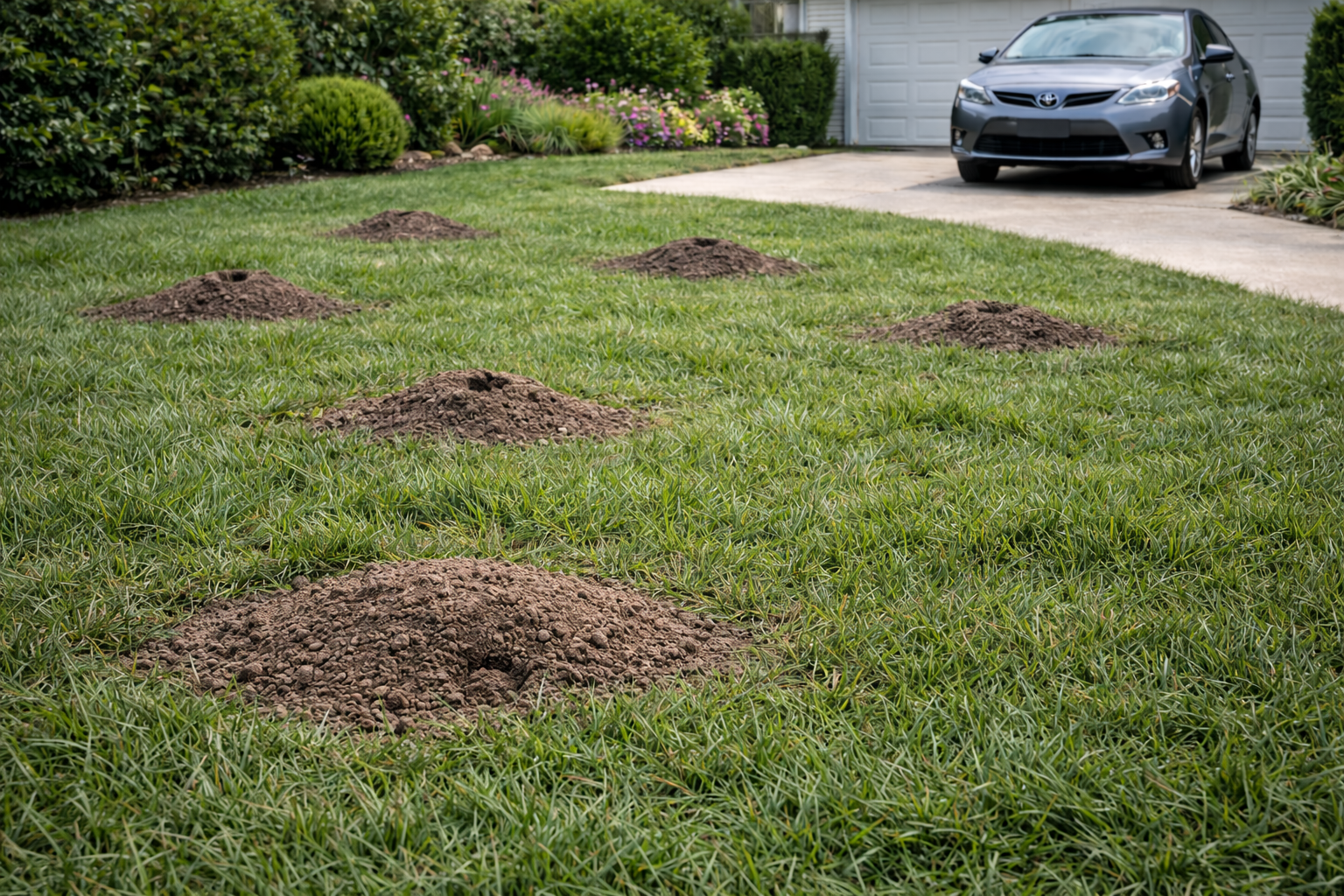
Gopher Activity in Ontario, CA

Gopher activity represents a persistent landscaping challenge throughout Ontario, California, particularly in residential neighborhoods and commercial properties where irrigation systems meet native soil conditions. The city's geographic position in San Bernardino County, combined with its semi-arid climate and extensive irrigation infrastructure, creates an environment where pocket gophers thrive year-round. Property owners across Ontario frequently encounter evidence of gopher tunneling in lawns, garden beds, and irrigation zones.

Why Ontario Has Significant Gopher Activity

Ontario's location on the western edge of the San Bernardino Valley positions it at an intersection of environmental factors favorable to gopher populations. The region's soil composition—primarily sandy loam with clay layers—provides ideal burrowing conditions. Unlike harder clay soils found in some Southern California regions, Ontario's soils are workable yet stable enough to maintain tunnel systems without immediate collapse. The moisture retention characteristics of these soils support the vegetation that gophers depend upon for food sources.

The city's extensive irrigation networks, essential for maintaining landscaping in the semi-arid climate, create perpetually moist soil conditions that gophers prefer. Properties throughout Ontario rely on underground sprinkler systems to sustain lawns and ornamental plantings, and these irrigation lines often run directly through gopher tunnel zones. The annual precipitation pattern—minimal summer rainfall and concentrated winter precipitation—creates seasonal cycles that influence gopher behavior and activity levels. Additionally, Ontario's proximity to undeveloped areas and the foothills east of the city maintains populations of wild gophers that can establish themselves in nearby residential and commercial zones.

Common Gopher Species in Ontario

The Botta's pocket gopher (Thomomys bottae) represents the primary gopher species encountered throughout Ontario and the surrounding San Bernardino County region. This species measures approximately 5 to 7 inches in body length, with relatively short tails and stocky builds adapted for subterranean life. Botta's pocket gophers display brownish to grayish fur, though coloration varies depending on soil composition—gophers in lighter sandy soils often appear lighter in color, while those in darker clay soils tend toward darker pelage.

The species derives its common name from the large, fur-lined cheek pouches used for transporting food and nesting materials through tunnel systems. Physical adaptations include powerful front legs with enlarged claws designed for excavation, small eyes positioned high on the skull, and small external ears that reduce dirt infiltration during burrowing. In Ontario, Botta's pocket gophers establish territories across residential lawns, agricultural remnants, and irrigated commercial properties. These solitary animals typically occupy permanent burrow systems that expand throughout the year, creating complex networks of tunnels that can extend 30 to 40 feet or more across a property. The species' presence in Ontario reflects its broad distribution throughout California, where it inhabits elevations from sea level to approximately 5,000 feet.

When Gopher Activity Peaks in Ontario

Gopher activity in Ontario follows distinct seasonal patterns influenced by the region's climate and reproductive cycles. The breeding season typically occurs between January and March, when gophers become more active as they establish or expand territories and seek mates. During these months, property owners often notice increased mounding activity and more extensive tunnel construction. This period coincides with Ontario's rainy season, when soil moisture levels rise and newly sprouted vegetation provides abundant food resources.

Spring rains in Ontario, typically occurring between February and April, soften the soil and make excavation easier for gophers. Activity levels remain elevated through spring and into early summer as juvenile gophers disperse from parental territories. Summer in Ontario brings heat and reduced irrigation in some properties, which can slow gopher activity temporarily, though gophers in well-irrigated landscapes remain active throughout the warm months. Fall generally sees renewed activity as gophers prepare for winter by establishing food caches and reinforcing tunnel systems. Winter activity decreases modestly but does not cease entirely, as gophers remain active beneath the soil surface. Understanding these seasonal patterns helps property owners anticipate when gopher presence becomes most evident and when damage potential reaches its peak.

Signs of Gopher Damage in Ontario Yards

The most visible evidence of gopher activity consists of earthen mounds that appear in lawns and garden beds throughout Ontario properties. These mounds typically measure 3 to 6 inches in diameter and 2 to 4 inches in height, composed of loose soil excavated during tunnel construction and maintenance. Unlike mole mounds, which appear as ridgelines, gopher mounds form discrete hillocks distributed across affected areas. The presence of multiple mounds across a lawn indicates active tunnel systems and ongoing excavation. Some gophers create characteristic crescent-shaped plugs where they seal tunnel openings after pushing soil outward.

Beyond surface mounding, gopher activity causes damage to irrigation systems and underground utility lines. Gophers frequently gnaw on plastic irrigation tubing and PVC pipes, creating leaks that waste water and compromise system efficiency. In Ontario properties, these irrigation disruptions become particularly consequential given the reliance on underground sprinkler systems for landscape maintenance. Gophers also damage plants by clipping roots and consuming bulbs, resulting in wilted or dying vegetation that may appear drought-stressed despite adequate irrigation. Vegetable gardens attract particular gopher attention, as the loose, cultivated soil and abundant food sources appeal to burrowing populations. Gnaw marks on plant stems, cut vegetation appearing near tunnel openings, and plants that suddenly collapse despite healthy appearance all indicate gopher feeding activity. Complete plant loss can occur when gophers sever roots below the soil surface.

Landscape Considerations for Ontario Properties

Ontario's typical landscaping incorporates drought-tolerant species adapted to the semi-arid climate, as well as higher-water ornamental plantings that require supplemental irrigation. Common landscape elements include decomposed granite areas, ornamental grasses, California-native shrubs, and turf grass zones that are particularly vulnerable to gopher damage. The juxtaposition of irrigated softscape with hardscape features—mulched beds, rock gardens, pathways—creates varied habitats where gophers establish foraging routes and tunnel networks.

Certain plants attract gophers more strongly than others. Bulbs including tulips, daffodils, and crocuses rank among the most targeted plants, as gophers readily consume both the bulbs themselves and the roots of established plants. Vegetable gardens featuring root crops such as carrots, turnips, and potatoes present irresistible food sources. Young trees and shrubs with tender roots become vulnerable targets, particularly in newly planted landscapes where root systems have not yet established deep anchorage. Ground covers spread across Ontario yards, especially in areas with consistent irrigation, provide cover for gopher movement and feeding activity. Conversely, hardscape features including pavers, concrete, and solid rock coverings offer some resistance to gopher colonization, though determined animals may tunnel beneath these barriers to access irrigated zones. Understanding which landscape elements attract gophers and which naturally resist colonization helps Ontario property owners make informed decisions about plantings and hardscape configurations.