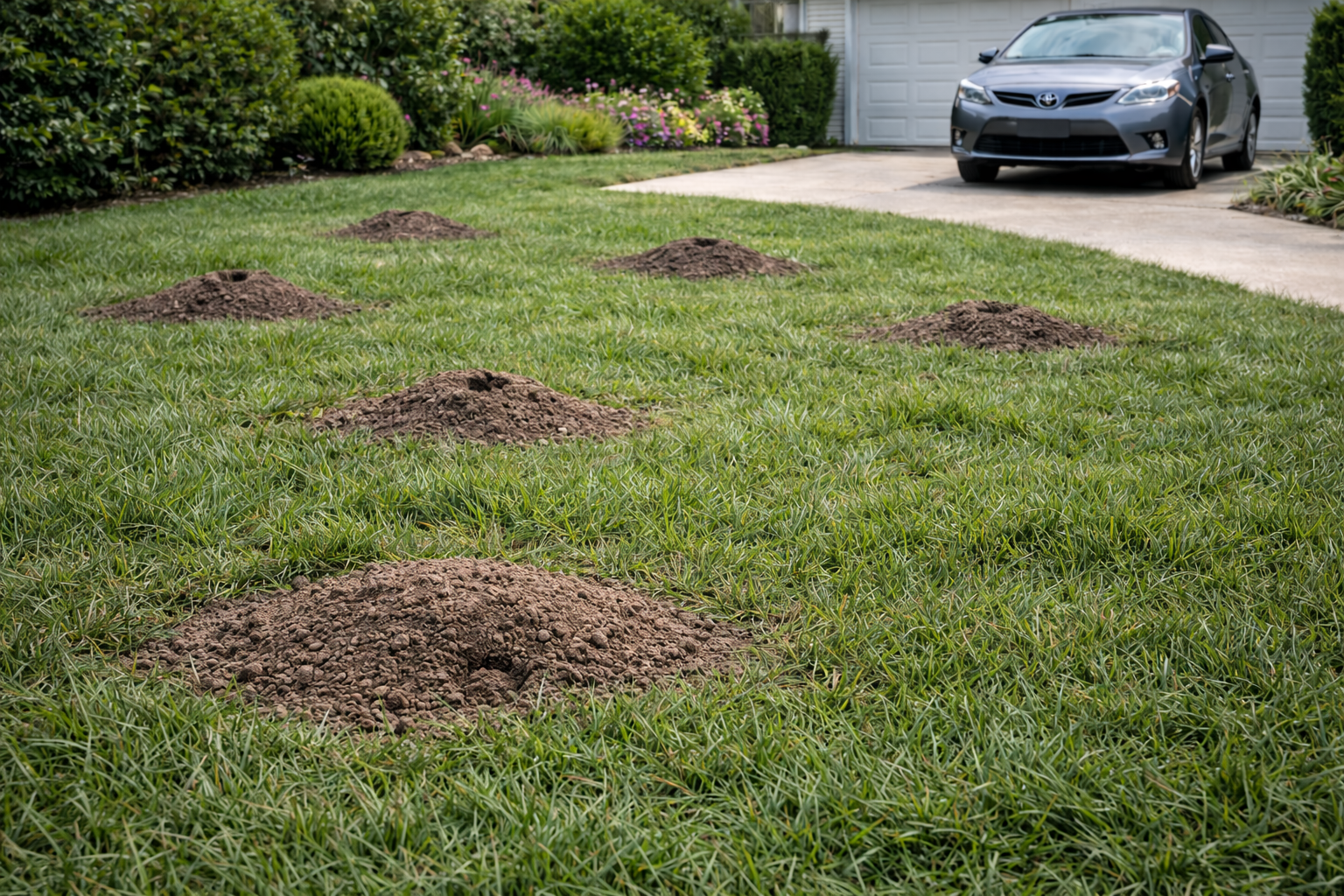
Gopher Activity in Palos Verdes Estates, CA

Palos Verdes Estates, situated on the Palos Verdes Peninsula in Los Angeles County, experiences consistent gopher activity throughout the year. The combination of Mediterranean climate, well-irrigated residential landscapes, and underlying soil composition creates ideal conditions for gopher populations. Property owners in this affluent coastal community frequently encounter evidence of gopher presence, particularly in the neighborhoods that feature extensive gardens, lawns, and ornamental plantings.

Why Palos Verdes Estates Has Significant Gopher Activity

The geological and environmental factors of Palos Verdes Estates make the area particularly attractive to gophers. The peninsula's soils consist primarily of Tertiary sedimentary rocks and volcanic formations that weather into relatively soft, workable earth—ideal conditions for tunneling mammals. The upper layers of soil in residential yards tend to be loose and well-amended, especially in established neighborhoods like Malaga Cove, Lunada Bay, and the South Ridge area where decades of landscaping have created deep, friable topsoil. This composition allows gophers to construct extensive burrow systems with minimal energy expenditure.

Irrigation systems common to Palos Verdes Estates properties significantly contribute to gopher activity. The semi-arid coastal climate receives approximately 12 to 14 inches of annual precipitation, concentrated primarily between November and March. To maintain the lush Mediterranean and California native landscapes that characterize the community, residents rely heavily on supplemental irrigation. This consistent moisture keeps soil conditions favorable for gopher tunneling year-round and supports abundant vegetation that serves as food sources. The proximity of Palos Verdes Estates to natural open spaces—including the Palos Verdes Nature Preserve and adjacent coastal bluffs—provides a continuous supply of gophers migrating into residential areas seeking resources.

Common Gopher Species in Palos Verdes Estates

The dominant gopher species in Palos Verdes Estates is Botta's pocket gopher (Thomomys bottae), a medium-sized burrowing rodent well-adapted to Southern California conditions. Adult Botta's pocket gophers typically measure 5 to 7 inches in body length, with stocky, muscular builds and powerful front legs equipped with large claws designed specifically for excavation. Their fur ranges from light tan to dark brown, with variations that sometimes match local soil coloration—an adaptation that provides camouflage when gophers emerge from burrows. The species derives its common name "pocket gopher" from the external fur-lined cheek pouches that gophers use to transport food and nesting materials.

Botta's pocket gophers are solitary animals, with each individual maintaining and defending a territory that may encompass several thousand square feet depending on soil quality and food availability. In Palos Verdes Estates, where residential properties range from compact 0.25-acre lots to sprawling 2+ acre estates, a single gopher's territory may encompass an entire residential yard or extend across multiple adjacent properties. These gophers are primarily herbivorous, feeding on roots, bulbs, grasses, and garden vegetables. Their teeth grow continuously throughout their lifetime, making constant gnawing and digging necessary for maintaining dental health. This constant activity is the primary reason gophers create visible surface damage in yards.

When Gopher Activity Peaks in Palos Verdes Estates

Gopher activity in Palos Verdes Estates demonstrates distinct seasonal patterns corresponding to the local climate and breeding cycles. The primary breeding season extends from January through March, coinciding with the region's winter rainy season. During this period, soil moisture increases, vegetation growth accelerates, and gophers actively seek mates, resulting in heightened tunneling activity and more visible surface mounds. Males expand their territories and create new tunnel systems in search of females, leading to increased damage visible across yards during late winter and early spring.

Spring months, particularly April and May, represent the secondary peak of observable gopher activity. The combination of spring rains and warming temperatures promotes rapid plant growth, providing abundant food sources that attract and support gopher populations. Summer months bring reduced activity as the peninsula's Mediterranean climate creates drier soil conditions and limited vegetation growth, though established gopher colonies remain active along irrigated landscapes. Fall presents another minor activity increase as gophers prepare for winter by expanding food caches and improving burrow systems. Understanding these seasonal patterns helps property owners anticipate when damage is most likely to occur and when gopher populations are most visible.

Signs of Gopher Damage in Palos Verdes Estates Yards

Identifying gopher activity requires recognizing several characteristic signs visible throughout Palos Verdes Estates properties. The most obvious indicator is the presence of mounds—conical or crescent-shaped piles of excavated soil scattered across lawns and garden beds. Gophers create these mounds when extending their burrow systems, pushing soil upward through vertical shafts. In Palos Verdes Estates yards, mounds typically appear in clusters during the breeding and spring seasons, with each mound indicating active tunneling in that vicinity. Unlike mole mounds, gopher mounds often feature a distinctive plugged center where the gopher has closed the exit tunnel from below.

Subsurface damage represents another significant impact of gopher activity. As gophers tunnel through yards, they damage underground irrigation lines—a particular concern in Palos Verdes Estates where drip irrigation and sprinkler systems are nearly universal. Punctured lines create water loss and may result in unexplained dry patches adjacent to overwatered areas. Plant damage occurs as gophers consume roots, bulbs, and young tree bark, causing unexpected plant death or stunted growth. In ornamental gardens common to Palos Verdes neighborhoods, gophers cause particular damage to newly planted stock and established perennials. Sunken areas or collapsed sections of lawn indicate extensive tunnel networks beneath the surface, suggesting established, multi-individual gopher colonies.

Landscape Considerations for Palos Verdes Estates Properties

Palos Verdes Estates landscaping styles significantly influence gopher vulnerability and damage patterns. The community's established residential areas feature predominantly softscape—lawns, shrub plantings, and ornamental gardens—rather than hardscape. Neighborhoods including Lunada Bay, Malaga Cove, and the prestigious estates along Paseo del Mar showcase extensive gardens featuring Mediterranean-style plantings, California natives, and imported ornamentals that create year-round appeal. This emphasis on cultivated vegetation naturally attracts gopher populations seeking food resources. Properties with extensive turf grass, particularly those with bluegrass and fescue lawns, experience high gopher damage because gophers readily consume grass roots and create visible mounds throughout manicured lawns.

Certain commonly planted species in Palos Verdes Estates yards are particularly vulnerable to gopher damage. Young trees including coast live oak, California pepper tree, and ornamental fruit trees frequently sustain root or bark damage from gophers. Bulb gardens—including agapanthus, tulips, and daffodils planted throughout the community—represent preferred food sources. Root vegetables and vegetable gardens attract intense gopher activity. Conversely, properties featuring extensive hardscape—patios, decking, and stone features—combined with strategically chosen gopher-resistant plantings experience reduced damage. Some Mediterranean shrubs including rosemary, lavender, and santolina demonstrate relative resistance due to aromatic oils that deter gophers, making them valuable choices for Palos Verdes properties seeking to reduce gopher impact while maintaining attractive landscaping.