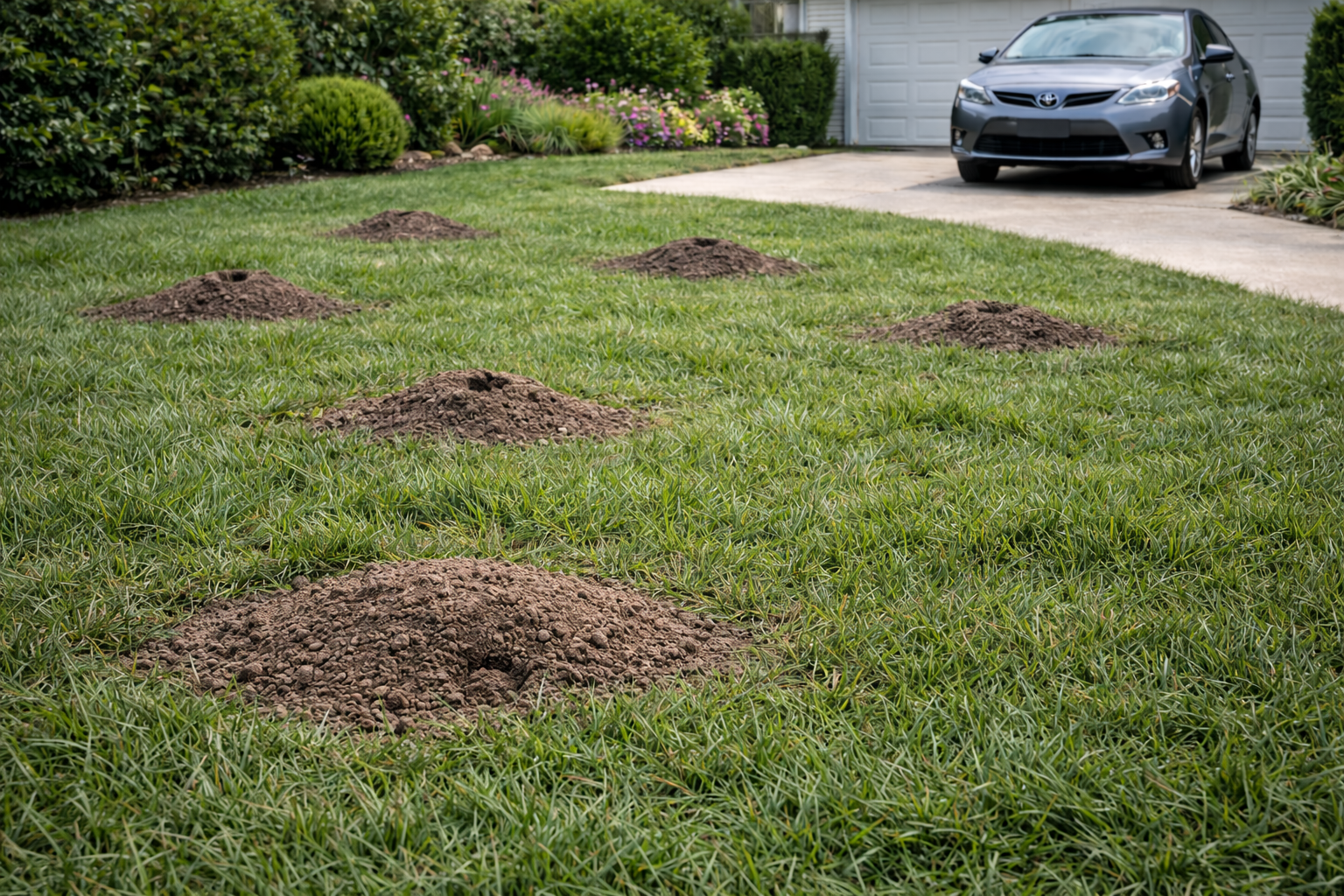
Gopher Activity in Pasadena, CA

Gophers are a notable wildlife presence throughout Pasadena, California, actively inhabiting residential gardens, parks, and landscaped properties across the city. The San Gabriel Valley's unique combination of soil composition, water availability, and climate creates ideal conditions for gopher populations to thrive year-round. Property owners in Pasadena frequently encounter evidence of gopher tunneling systems, particularly in areas with established gardens and irrigated landscaping.

Why Pasadena Has Significant Gopher Activity

Pasadena's geography and environmental conditions make it particularly hospitable to gopher populations. The city sits in the San Gabriel Valley with predominantly sandy loam and clay loam soils that are relatively easy for gophers to excavate. These soil types, combined with the region's moderate year-round temperatures, allow gophers to remain active throughout all seasons without the dormancy patterns seen in colder climates.

The irrigation infrastructure that supports Pasadena's extensive landscaping provides consistent moisture that gophers require. Most residential properties in neighborhoods like Bungalow Heaven, Craftsman Historic District, and areas near the Rose Bowl maintain regular watering schedules for lawns and ornamental plantings. This artificial water availability essentially extends the breeding season and supports larger gopher colonies than would naturally occur in the region's semi-arid climate.

Proximity to natural habitat also contributes to gopher presence. The San Gabriel Mountains rise directly north of Pasadena, and properties with direct access to foothills areas experience regular gopher immigration from wild populations. Even downtown Pasadena properties and those near the Arroyo Seco system can experience gopher activity migrating from adjacent natural areas seeking the superior food sources and consistent moisture of maintained gardens.

Common Gopher Species in Pasadena

The Botta's pocket gopher (Thomomys bottae) is the predominant gopher species found throughout Pasadena and the greater Los Angeles area. Named for their large, fur-lined cheek pouches used for carrying food, Botta's pocket gophers are stocky rodents typically measuring 5 to 7 inches in body length, with short tails and small eyes. Their coloration ranges from brown to grayish-brown, providing natural camouflage in soil and burrow systems.

Adult Botta's pocket gophers weigh between 2 and 4 ounces and possess powerful front legs with disproportionately large claws specifically adapted for digging. Their teeth never stop growing throughout their lives, a characteristic shared with all rodent species. The animals are primarily solitary and territorial, with each gopher maintaining its own tunnel system that may extend across 200 to 300 square feet of yard space.

Botta's pocket gophers in Pasadena create distinctive tunnel networks consisting of deep main burrows extending 1 to 2 feet below the surface and lateral tunnels closer to the soil surface used for foraging. The characteristic mounds visible in yards are created as gophers push excavated soil to the surface, typically in a fan or crescent shape. These animals are strictly herbivorous, feeding on roots, bulbs, grasses, and garden vegetables underground, which explains their role in landscape damage.

When Gopher Activity Peaks in Pasadena

Gopher activity in Pasadena follows seasonal patterns influenced by the region's climate and the animals' reproductive cycles. The primary breeding season runs from January through March, coinciding with winter rainfall that softens soil and increases food availability. During these months, gopher activity intensifies as males expand territories seeking mates and females prepare for raising litters.

Spring months, particularly February through April, typically show the most visible gopher damage in Pasadena yards. The combination of increased gopher movement and the region's seasonal rains creates conditions where gophers are actively excavating new burrows and expanding existing tunnel systems. Homeowners frequently notice fresh mounds appearing during this period, especially following the region's winter storms.

Summer activity, while present, may appear reduced compared to spring. However, this reflects the animals' shift to deeper burrow systems during hot, dry months rather than an actual decrease in population. Fall brings another activity increase as gophers respond to autumn rains and prepare for winter. Year-round irrigation in Pasadena gardens maintains gopher populations through dry seasons, preventing the natural population fluctuations that occur in non-irrigated landscapes. This means that while seasonal peaks are observable, Pasadena properties can experience active gopher tunneling any month of the year.

Signs of Gopher Damage in Pasadena Yards

The most obvious sign of gopher presence is the appearance of fresh mounds in lawns and garden beds. Pasadena property owners should familiarize themselves with the characteristic fan or crescent-shaped mounds that distinguish gopher activity from mole activity. Gopher mounds are typically 2 to 4 inches high and appear throughout the yard as the animals expand their tunnel systems. The soil in fresh mounds remains loose and distinct from surrounding turf.

Underground damage often precedes visible mound appearance. Gophers damage irrigation lines, severing drip emitters and damaging buried pipes as they tunnel beneath landscaped areas. Gardeners may notice wilting plants or dry sections of lawn that correspond to damaged water lines. In established gardens common to Pasadena neighborhoods, gophers girdle plant roots and consume bulbs, causing plants to weaken or die despite adequate water and nutrients.

Vegetable gardens experience particularly noticeable damage, with gophers consuming lettuce, carrots, potatoes, and other crops from underground. Turf damage appears as sunken areas where tunnels collapse beneath the surface, creating an uneven lawn. More dramatically, gophers can sever roots of larger ornamental plants and shrubs, a particular concern in Pasadena's established neighborhoods featuring mature landscaping. Observant property owners may notice soil disturbances in garden beds before discovering the actual tunnel entrances.

Landscape Considerations for Pasadena Properties

Pasadena's diverse neighborhoods feature varying landscape styles that influence gopher damage risk. Homes in the Craftsman Historic District and Bungalow Heaven typically feature established gardens with mature shade trees, perennial plantings, and extensive root systems that attract gophers seeking food sources. Properties along Maple Drive, Nob Hill, and other prestigious residential areas often include formal landscaping with vulnerable plants including roses, fruit trees, and ornamental shrubs.

The prevalence of vegetable and fruit gardens throughout Pasadena, from modest home gardens to larger estate properties, creates abundant gopher habitat and food sources. Properties near the Huntington Library, Norton Simon Museum, and other landscaped institutional grounds demonstrate the aesthetic damage gophers inflict on maintained gardens. Modern xeriscaping efforts that reduce irrigation can decrease gopher activity, though established Pasadena properties often prioritize lush landscaping traditions that maintain favorable gopher conditions.

Hard landscaping features such as patios, concrete pathways, and raised bed gardens provide partial protection from gopher tunneling. However, gophers readily tunnel beneath hardscapes, and raised beds without underground barriers remain vulnerable. Plants known to be less palatable to gophers, including rhododendrons, foxglove, and ornamental grasses, can be strategically incorporated into Pasadena landscapes, though no plant is completely gopher-proof. Recognizing that Pasadena's soil composition, year-round irrigation, and proximity to wild populations create persistent gopher pressure helps property owners develop realistic management expectations and strategies.