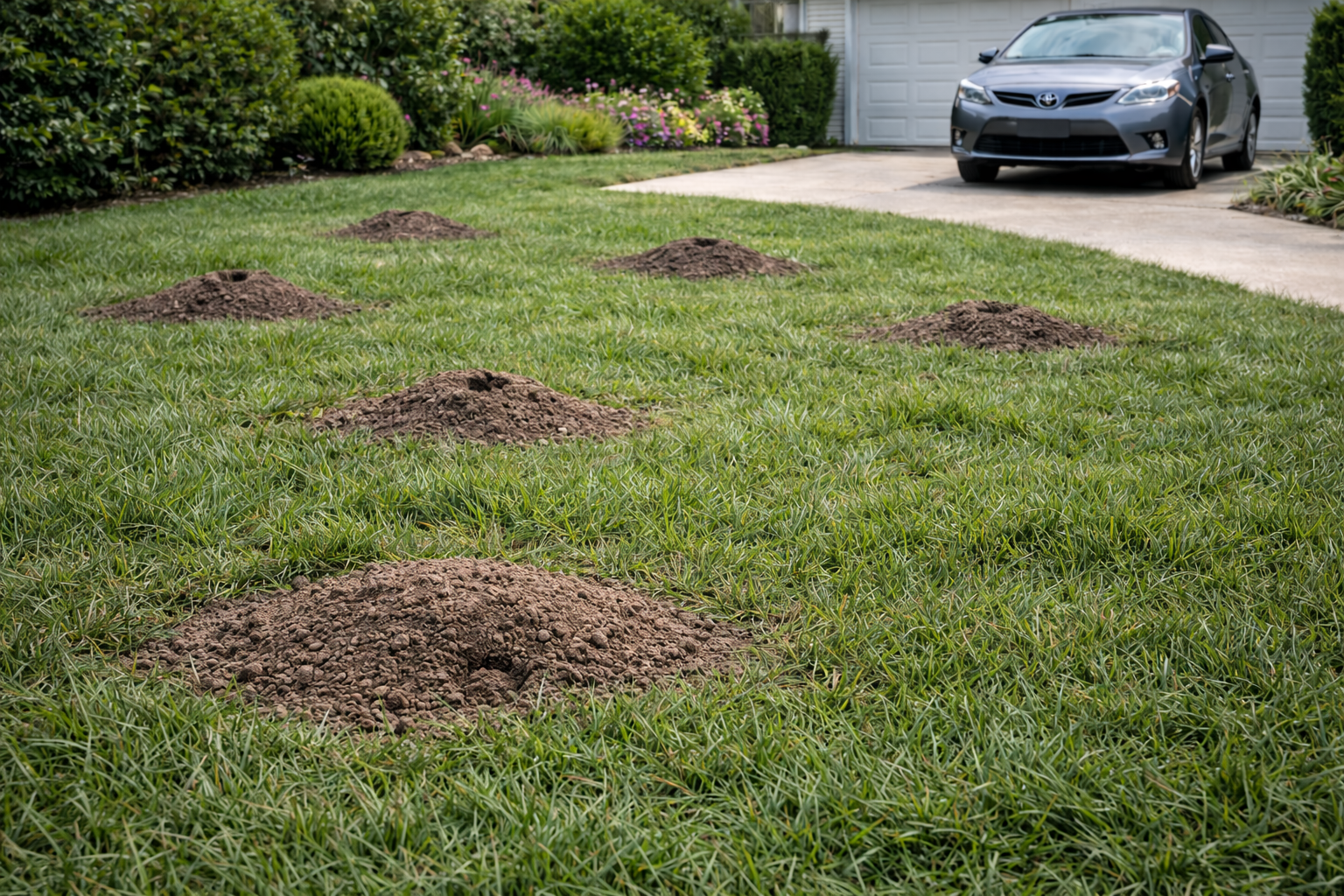
Gopher Activity in Pico Rivera, CA

Pico Rivera, located in southeastern Los Angeles County along the San Gabriel River, experiences consistent gopher activity throughout the year. The community's combination of residential properties with irrigated landscaping, proximity to natural flood control channels, and favorable soil conditions creates an ideal environment for gopher populations. Property owners across Pico Rivera regularly encounter evidence of burrowing activity in yards, gardens, and landscaped areas.

Why Pico Rivera Has Significant Gopher Activity

Pico Rivera's geographic and environmental characteristics make it particularly susceptible to gopher colonization. The city sits in the Los Angeles River basin, an area characterized by alluvial soils that are relatively soft and easy for gophers to excavate. These soils, deposited over centuries by river systems, lack the dense clay or rock formations found in higher-elevation areas, allowing gophers to tunnel with minimal effort.

The region's semi-arid Mediterranean climate, with mild winters and warm summers, permits year-round gopher activity. Unlike areas experiencing harsh winters or extended droughts, Pico Rivera's conditions support continuous food availability and comfortable burrowing conditions. Average annual rainfall of approximately 15 inches concentrates heavily in winter months, creating periods of optimal soil moisture that encourage digging activity.

Residential landscaping throughout Pico Rivera—particularly the prevalence of irrigated lawns, ornamental shrubs, and vegetable gardens—provides abundant food sources. The proximity of many properties to the San Gabriel River and local flood control channels introduces gophers from wild habitat into adjacent residential areas. Additionally, the urbanized nature of the community means that gophers colonizing one yard can readily spread to neighboring properties through continuous underground tunnel systems.

Common Gopher Species in Pico Rivera

The Botta's pocket gopher (Thomomys bottae) represents the primary gopher species affecting Pico Rivera properties. This rodent measures approximately 5 to 7 inches in body length, with a stocky, cylindrical build perfectly adapted for subterranean life. The species displays dark brown to grayish-brown fur, small eyes, and prominent front teeth used for gnawing through soil and roots. Botta's pocket gophers possess small ears and heavily muscled forelimbs equipped with long claws designed for efficient burrowing.

These gophers derive their name from the external cheek pouches (or "pockets") that they use to transport food and nesting materials. Despite their solitary nature, Botta's pocket gophers establish extensive burrow networks that can span hundreds of feet beneath a single property. In Pico Rivera's soft alluvial soils, individual gophers may construct burrow systems extending 50 to 100 feet or more, depending on food availability and habitat quality.

Botta's pocket gophers are primarily herbivorous, feeding on roots, tubers, bulbs, and plant crowns accessible from their tunnel systems. They rarely emerge above ground except during dispersal periods when young males establish new territories. Their fossorial lifestyle and underground feeding patterns mean that property damage often occurs before residents observe the animals themselves.

When Gopher Activity Peaks in Pico Rivera

Gopher activity in Pico Rivera follows distinct seasonal patterns influenced by breeding cycles and environmental conditions. The primary breeding season occurs from January through March, corresponding with the region's rainy season and peak soil moisture. During this period, male gophers expand their tunnel networks while searching for mates, resulting in increased surface activity and mound construction. Property owners frequently notice new mounding activity during late winter and early spring months.

As spring transitions to early summer, newly weaned juvenile gophers disperse from maternal burrows to establish independent territories. This dispersal period, typically April through May, brings heightened activity as young gophers tunnel extensively in search of suitable habitats. Summer months generally show slightly reduced activity as soil becomes drier and harder, though irrigation in residential areas maintains suitable conditions for continued burrowing.

Fall months in Pico Rivera bring renewed gopher activity as cooler temperatures and occasional rainfall improve soil conditions. September and October often see increased mounding as gophers prepare for the winter breeding season by expanding food stores and refining burrow systems. Activity remains relatively consistent through winter, with periodic peaks following rainfall events that soften soil and encourage digging. Understanding these seasonal patterns helps property owners anticipate when monitoring for gopher signs becomes most important.

Signs of Gopher Damage in Pico Rivera Yards

The most visible indication of gopher presence involves characteristic mounding patterns across lawns and garden areas. Gophers create two distinct mound types: feeding mounds, which are small and irregularly scattered, result from subsurface feeding activity. Larger, volcano-shaped mounds indicate burrow excavation, with soil pushed to the surface as gophers extend their tunnel networks. In Pico Rivera yards, these mounds frequently appear in spring months and following heavy irrigation or rainfall.

Damage to underground irrigation systems represents a significant concern for Pico Rivera property owners. Gophers tunnel through drip lines, soaker hoses, and PVC piping while constructing burrow networks, causing leaks and system failures. Affected irrigation zones show reduced water delivery and uneven plant growth, with brown patches appearing in otherwise uniformly irrigated areas. This damage often goes unnoticed initially, with water simply seeping into surrounding soil rather than reaching intended plants.

Above-ground plant damage includes wilting, stunted growth, and complete plant death. Gophers feed on plant roots and bulbs from beneath the soil surface, weakening or killing ornamentals and vegetables. Landscape plants may suddenly decline without any visible surface cause, as root systems are compromised underground. Vegetable gardens in Pico Rivera commonly suffer damage to root crops including carrots, potatoes, and turnips, with plants disappearing entirely when gophers access underground portions. Gopher activity also creates conditions for surface settling and depression patterns where tunnel networks undermine soil structure.

Landscape Considerations for Pico Rivera Properties

Pico Rivera's residential landscape character varies across neighborhoods but commonly features a blend of drought-tolerant and ornamental plantings supplemented by irrigated lawns and vegetable gardens. Many properties utilize Mediterranean and California native plants adapted to the region's climate, while others maintain traditional grass lawns requiring regular irrigation. This landscaping diversity creates varied impacts depending on gopher presence and feeding preferences.

Softscape elements including turf areas, shrub beds, and perennial gardens suffer most severely from gopher activity. Lawns across Pico Rivera often show multiple mounds and surface subsidence from tunnel networks. Ornamental shrubs including pittosporum, toyon, and Texas privet may be killed when gophers girdle roots or feed on below-ground portions. Established trees, while generally less vulnerable than smaller plants, can experience damage to feeder roots and irrigation lines when gophers burrow nearby.

Hardscape features including patios, walkways, and retaining walls can be affected indirectly through gopher activity. Subsidence from tunnel collapse may crack concrete or displace paving stones. In Pico Rivera's neighborhoods where properties feature both landscaped front yards and rear garden spaces, gopher damage often concentrates in irrigated areas supporting regular plant growth. Properties with minimal irrigation or those relying primarily on drought-tolerant plantings experience reduced gopher pressure, as underground food sources diminish. Understanding which landscape elements attract gophers helps property owners make informed decisions about yard design and plant selection.