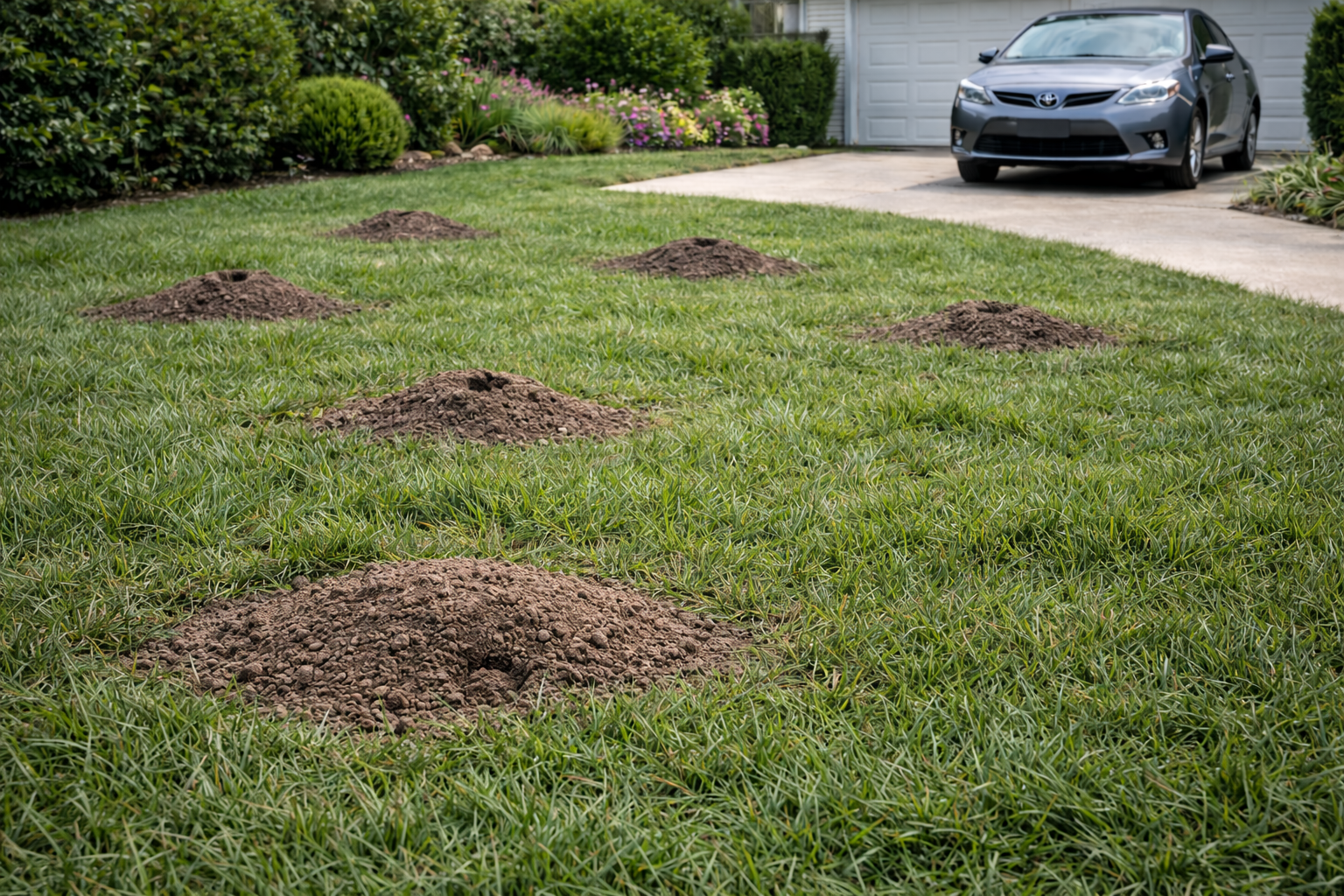
Gopher Activity in Placentia, CA

Placentia, a small city in Orange County's northern region, experiences consistent gopher activity due to its unique combination of agricultural heritage, residential landscaping, and soil composition. The presence of pocket gophers in this area is not incidental—it reflects the environmental conditions that make Placentia particularly suitable for gopher populations. Residents and property managers throughout the city frequently encounter evidence of gopher tunneling and mounding, especially during periods of increased moisture and seasonal breeding cycles.

Why Placentia Has Significant Gopher Activity

Placentia's vulnerability to gopher populations stems from multiple interconnected environmental factors. The city sits within Orange County's transitional agricultural zone, where suburban development has not completely replaced farming practices and irrigation infrastructure. The underlying soil in Placentia consists primarily of Placentia clay loam and similar fine-textured soils that are ideal for tunnel construction—these soils hold their shape well and resist collapse, allowing gophers to maintain extensive burrow systems with minimal effort.

The region's irrigation patterns compound this problem. Many properties in Placentia rely on landscape irrigation systems typical of Southern California residential design, and the moisture these systems introduce into the soil attracts gophers and makes digging considerably easier. Additionally, Placentia experiences a semi-arid Mediterranean climate with distinct wet and dry seasons. Winter and early spring rains saturate the soil, creating prime conditions for gopher foraging and reproduction.

The city's proximity to undeveloped areas and the Cleveland National Forest corridor to the east means gopher populations have natural source areas nearby. As development pressures increase these habitats, gopher populations dispersing from wild areas encounter favorable suburban conditions with abundant food sources and suitable soil.

Common Gopher Species in Placentia

The Botta's pocket gopher (Thomomys bottae) dominates Placentia's gopher population. This species, named for its external fur-lined cheek pouches used for carrying food and soil, is the most widespread pocket gopher throughout Southern California and Orange County. Adult Botta's pocket gophers typically measure 5 to 6 inches in body length, with relatively short tails and powerful front limbs adapted for excavation.

Botta's pocket gophers display considerable color variation, ranging from light tan to dark brown, often matching the local soil color where populations are established. In Placentia, most individuals exhibit medium-brown coloration consistent with the regional clay loam soils. Unlike ground squirrels or other rodents visible above ground, pocket gophers are solitary, fossorial creatures that spend most of their lives underground, emerging only briefly during dispersal periods or when expanding their territories.

These gophers are herbivorous, feeding on roots, tubers, bulbs, and plant shoots they encounter while tunneling. A single Botta's pocket gopher may consume substantial portions of a garden in weeks. The species is particularly problematic in residential settings because individual gophers maintain large burrow systems spanning multiple properties, and they reproduce prolifically during winter and spring months when soil conditions are optimal.

When Gopher Activity Peaks in Placentia

Gopher activity in Placentia follows predictable seasonal patterns tied to the local climate and reproductive cycle. Peak breeding season occurs from January through March, when soil moisture is highest and underground vegetation is most abundant. During these months, male gophers become more active and mobile as they seek mates, leading to increased mounding and surface disturbance. Property owners often notice the most dramatic landscape damage during late winter and early spring.

The seasonal rains that characterize Placentia's Mediterranean climate trigger gopher population expansion. When winter precipitation saturates the clay loam soils, gophers dig more aggressively and extend their tunnel networks. This increased excavation results in the characteristic mounds scattered across yards and landscaping. Secondary activity peaks may occur in autumn if sufficient moisture from October through November rains occurs, though spring remains the primary season for intensive gopher activity.

Summer months in Placentia bring drier conditions that slow gopher activity somewhat, though irrigation systems maintain subsurface moisture that sustains gopher populations year-round. The dry season actually concentrates gophers around irrigated landscape areas, making them more likely to damage ornamental plantings and vegetables in maintained yards. Understanding this seasonal rhythm helps residents recognize when vigilance for gopher signs should increase and when burrow systems are most likely to expand.

Signs of Gopher Damage in Placentia Yards

The most obvious sign of gopher activity is the characteristic mound—a crescent or horseshoe-shaped pile of soil pushed to the surface as the gopher excavates its burrow system. In Placentia's clay-based soils, these mounds are particularly compact and well-defined, sometimes reaching 6 to 12 inches in diameter. Fresh mounds are often darker than surrounding soil, indicating recent excavation and moisture content. Examining the mounds' configuration can reveal directionality of the gopher's tunneling behavior.

Underground damage to irrigation lines is common throughout Placentia. Gophers tunnel through yards without regard for buried drip lines, PVC pipes, and electrical conduits. A sudden dry patch in an otherwise well-watered lawn often indicates a severed irrigation line—a costly repair that may not be discovered until water bills spike or landscaping visibly suffers. Garden beds and vegetable patches show characteristic damage patterns where gophers pull entire plants downward into burrows, leaving partial plants protruding from soil surface.

Ornamental plants throughout Placentia's neighborhoods—particularly young trees, shrubs, and perennials—exhibit gopher damage through severed roots below the soil line. Plants that were healthy and thriving may suddenly wilt and die without obvious above-ground cause. Close inspection of the root collar often reveals clean cuts made by gopher teeth. In mature landscaping common to Placentia's established neighborhoods, subsidence and settling may indicate extensive tunnel networks beneath turf areas.

Landscape Considerations for Placentia Properties

Placentia's residential landscaping typically reflects mid-century suburban design with significant turf areas, ornamental shade trees, and mixed shrub borders. This landscape style, dominant throughout the city's neighborhoods near Valencia Park and along Placentia Avenue, is particularly vulnerable to gopher activity. Lawns provide excellent foraging opportunities, while ornamental plantings offer tender roots and shoots that gophers consume readily.

Native and drought-tolerant plants increasingly popular in Placentia—such as California buckwheat, sage species, and toyon—vary in their vulnerability to gophers. Some native shrubs have extensive root systems that sprawl widely through soil, increasing exposure to gopher tunnels. Others have protected taproots or unpalatable tissues that gophers avoid. The mixed shrub plantings common to Placentia's newer water-conscious landscapes may actually sustain larger gopher populations by providing diverse food sources across seasons.

Hardscape elements including pavers, pathways, and structures can impede gopher tunneling to some degree, though motivated gophers tunnel around obstacles. Properties with extensive softscape—planting beds, turf, and mulch areas—provide fewer barriers to gopher activity. The transition zones between hardscape and softscape in typical Placentia yards often show concentrated mounding. Understanding these landscape vulnerabilities allows property managers to make informed decisions about design modifications and maintenance practices that either encourage or discourage gopher populations.