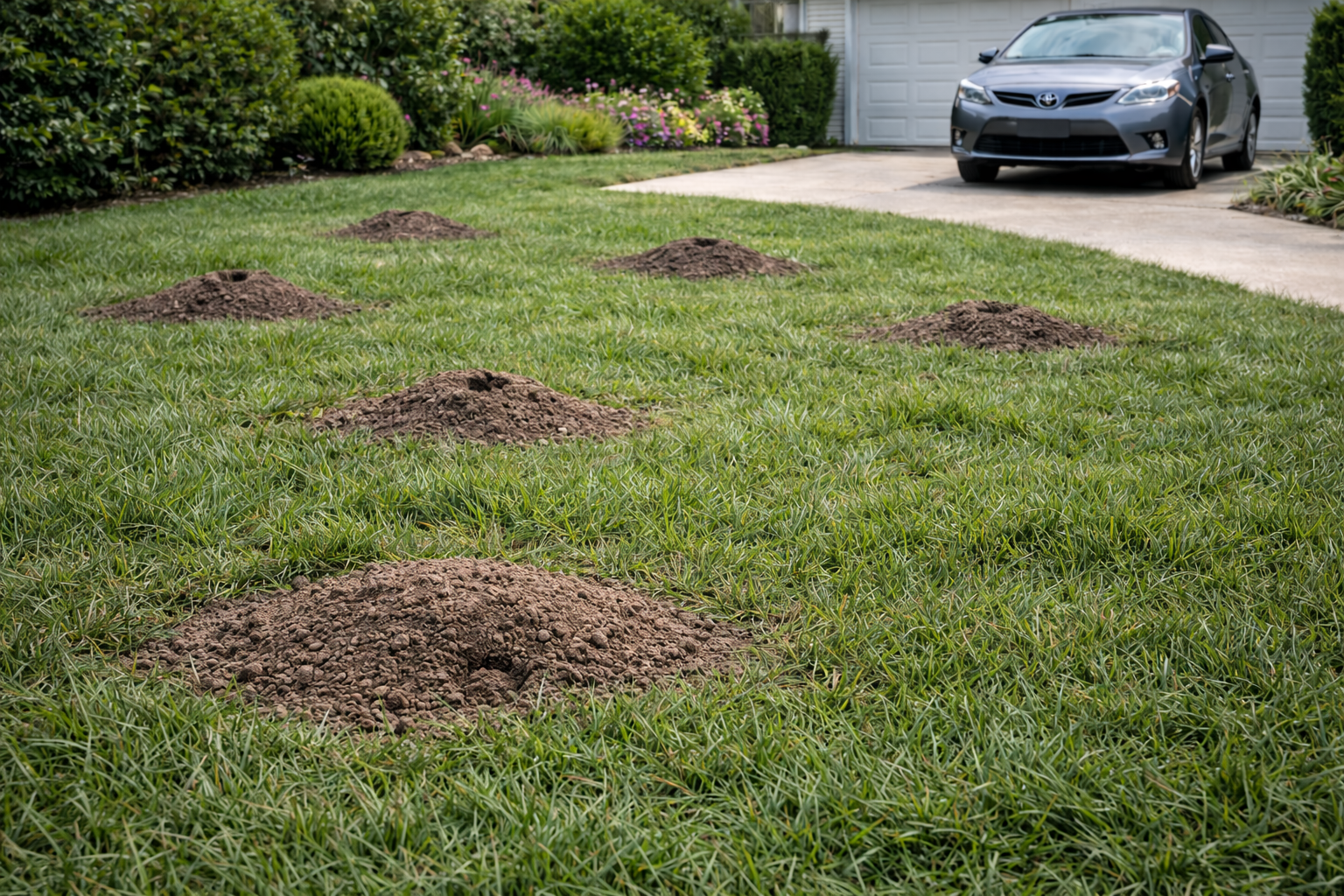
Gopher Activity in Pomona, CA

Gopher populations thrive throughout Pomona and the surrounding San Gabriel Valley, making them a consistent presence in residential yards, commercial landscaping, and agricultural areas. The city's combination of favorable soil conditions, year-round irrigation practices, and proximity to undeveloped foothills creates an ideal environment for pocket gophers to establish burrow systems and expand their territories. Property owners in Pomona frequently encounter evidence of gopher activity, from distinctive mounding patterns to root damage affecting both ornamental plants and food gardens.

Why Pomona Has Significant Gopher Activity

The geological and environmental conditions in Pomona present multiple factors that support robust gopher populations. The San Gabriel Valley's alluvial soils—composed largely of silt, clay, and sand deposits from ancient water flow patterns—are ideal for burrow construction. These soils are workable enough for gophers to tunnel efficiently while providing sufficient structural integrity for burrow systems to remain stable and usable long-term. Pomona sits at an elevation between approximately 600 and 1,200 feet in areas closer to the foothills, with the valley floor nearer to 500 feet, creating topographical diversity that gophers readily exploit.

Irrigation infrastructure represents another critical factor in Pomona's gopher ecology. The city and surrounding region depend heavily on water distribution systems, including residential irrigation for lawns, shrubs, and trees. This consistent moisture availability makes soil softer and easier to excavate, particularly during the months following winter and spring rains when water tables naturally rise. Pomona's Mediterranean climate—characterized by warm, dry summers and mild, occasionally wet winters—means that irrigation water becomes essential for maintaining the landscaping that predominates throughout residential neighborhoods.

The city's position on the edge of the San Gabriel Mountains places many properties adjacent to or within sight of native chaparral and oak woodland habitats. Gophers occupying wild areas in the nearby foothills naturally extend their range into human-developed areas, particularly during breeding season and when population density increases in native habitats. Additionally, large landscaped properties, community gardens, and agricultural parcels scattered throughout Pomona create corridors of suitable habitat that allow gopher populations to move, establish new territories, and persist across seasons.

Common Gopher Species in Pomona

The Botta's pocket gopher (Thomomys bottae) represents the dominant and essentially only gopher species encountered in Pomona and throughout most of Southern California. Named for the external cheek pouches used to carry food and nesting materials, Botta's pocket gophers are stocky rodents measuring approximately 5 to 7 inches in head-and-body length, with very short tails typically 1 to 1.5 inches long. Adults generally weigh between 2 and 4 ounces, making them smaller than many people expect when they first observe gopher damage at their properties.

Botta's pocket gophers display variable fur coloration, ranging from dark brown and blackish tones to lighter tan or yellowish hues, depending on soil composition in the areas where they live. The species possesses small ears, small eyes, and prominent curved incisor teeth adapted for gnawing through roots, bulbs, and woody material. Their front feet feature long claws specifically designed for digging and excavation, allowing them to move substantial quantities of soil when constructing burrow systems.

Within Pomona's varied landscape, Botta's pocket gophers inhabit both residential gardens and native habitat. They demonstrate a strong preference for areas with loose, well-draining soil and abundant vegetation. Sandy loam soils common in many Pomona neighborhoods are particularly favorable, as are areas receiving regular irrigation. Gophers establish burrow systems that can extend 50 feet or more in length, with multiple chambers used for nesting, food storage, and waste areas, creating an extensive underground infrastructure that allows individual gophers to remain relatively hidden while still foraging and moving throughout their territory.

When Gopher Activity Peaks in Pomona

Seasonal patterns of gopher activity in Pomona follow predictable cycles aligned with breeding season and moisture availability. The period from January through March represents the peak breeding season for Botta's pocket gophers, during which males actively search for females, increasing surface activity and making their presence more noticeable to property owners. This timing coincides with Pomona's winter and early spring months, which typically receive the area's annual rainfall, generally ranging from 12 to 18 inches concentrated primarily between November and April.

Following winter rains, soil moisture levels rise substantially, making excavation easier and triggering increased foraging activity. Young gophers born during winter breeding season reach independence by late spring and early summer, prompting dispersal as juveniles seek unoccupied territories. This creates a secondary period of heightened activity during April, May, and June when recently independent gophers are establishing new burrow systems and expanding the range of existing populations.

Summer months in Pomona, characterized by heat and dryness with temperatures frequently exceeding 85 to 90 degrees Fahrenheit by July and August, typically see reduced gopher activity as they remain deeper in burrow systems where moisture and cooler temperatures persist. However, properties with active irrigation systems maintain suitable conditions even during summer drought, allowing gophers to continue tunneling and feeding on irrigated plants year-round. Fall, particularly September through October, may bring renewed surface activity as gophers prepare for winter and take advantage of diminishing summer heat to resume more intensive burrowing. Understanding these seasonal patterns helps property owners in Pomona recognize when their yards are most vulnerable to active gopher colonization and damage.

Signs of Gopher Damage in Pomona Yards

The most obvious and distinctive sign of gopher presence in Pomona yards is the appearance of fresh mounds—conical piles of excavated soil ranging typically from 4 to 8 inches in diameter and 2 to 6 inches high, though larger mounds occasionally occur. These mounds appear suddenly overnight or over the course of a few days, scattered across lawns, planting beds, and other soft soil areas. Unlike mole mounds, which are more symmetrical and volcano-shaped, gopher mounds tend to be irregular in appearance. Observant property owners can often identify a characteristic crescent-shaped burrow opening at the base of or near the mound, created as gophers push soil upward while excavating subsurface tunnels.

Damage to irrigation systems represents a particularly serious and costly consequence of gopher activity. Gopher burrows frequently intersect irrigation lines, drip systems, and underground water pipes, creating breaks that waste water and create wet spots in yards. Pomona residents often notice patches of overwatered soil, dying plants surrounded by waterlogged areas, or unexpected increases in water bills before discovering gopher-damaged irrigation infrastructure. This damage is especially prevalent in neighborhoods with established landscape irrigation common to properties in central and eastern Pomona neighborhoods.

Plant damage caused by gophers manifests in several ways. Gophers gnaw on roots and bulbs of ornamental plants, vegetables, and shrubs, killing or severely damaging plants from below ground. Affected plants wilt suddenly, fail to flourish despite adequate water and nutrients, or may be pulled down into burrows. Vegetable gardens are particularly vulnerable—gophers readily consume carrot, turnip, and beet crops, potato plants, and other root vegetables. Trees and woody shrubs may show damage where gophers girdle roots near the soil surface, eventually causing the plants to decline or fail entirely.

Landscape Considerations for Pomona Properties

Pomona's landscape architecture reflects a diverse mix of traditional Mediterranean-style gardens, drought-adapted xeriscaping, and water-intensive lawns and ornamental plantings. Older neighborhoods in west and central Pomona frequently feature established shade trees including coast live oak, California pepper, and various eucalyptus species, interspersed with lawns and moisture-loving plantings. Properties in newer residential developments increasingly showcase California native plants, succulents, decomposed granite, and hardscape elements reflecting contemporary water conservation practices. This landscape diversity means that gopher vulnerability varies considerably across different properties and neighborhoods throughout the city.

Certain popular ornamental plants in Pomona yards prove particularly attractive to gophers. Fruit trees including apple, peach, and citrus varieties—common in many Pomona properties—suffer significant root damage from gopher feeding. Bulbs and corms used in ornamental plantings, particularly dahlia, tulip, and crocus varieties, are consistently targeted by gophers that excavate around them with precision. Root vegetables and edible plants in community gardens and residential vegetable plots throughout Pomona suffer substantial losses to gopher predation. Conversely, some plants appear less attractive, though no plant is completely immune to gopher damage if root systems are accessible and other food sources are scarce.

The distinction between hardscape and softscape significantly influences gopher activity. Pomona properties featuring extensive concrete patios, stone pathways, and gravel areas with minimal soil often experience reduced gopher colonization compared to properties with large lawn areas and densely planted ornamental beds. However, gophers readily tunnel beneath hardscape features to access adjacent plantings, using the stable underground environment created by buried infrastructure as corridors for movement. Properties with extensive raised beds, container plantings, and aboveground gardening structures reduce gopher access while maintaining aesthetic and functional landscaping goals—a consideration relevant to many Pomona residents interested in maintaining food gardens and ornamental plantings.