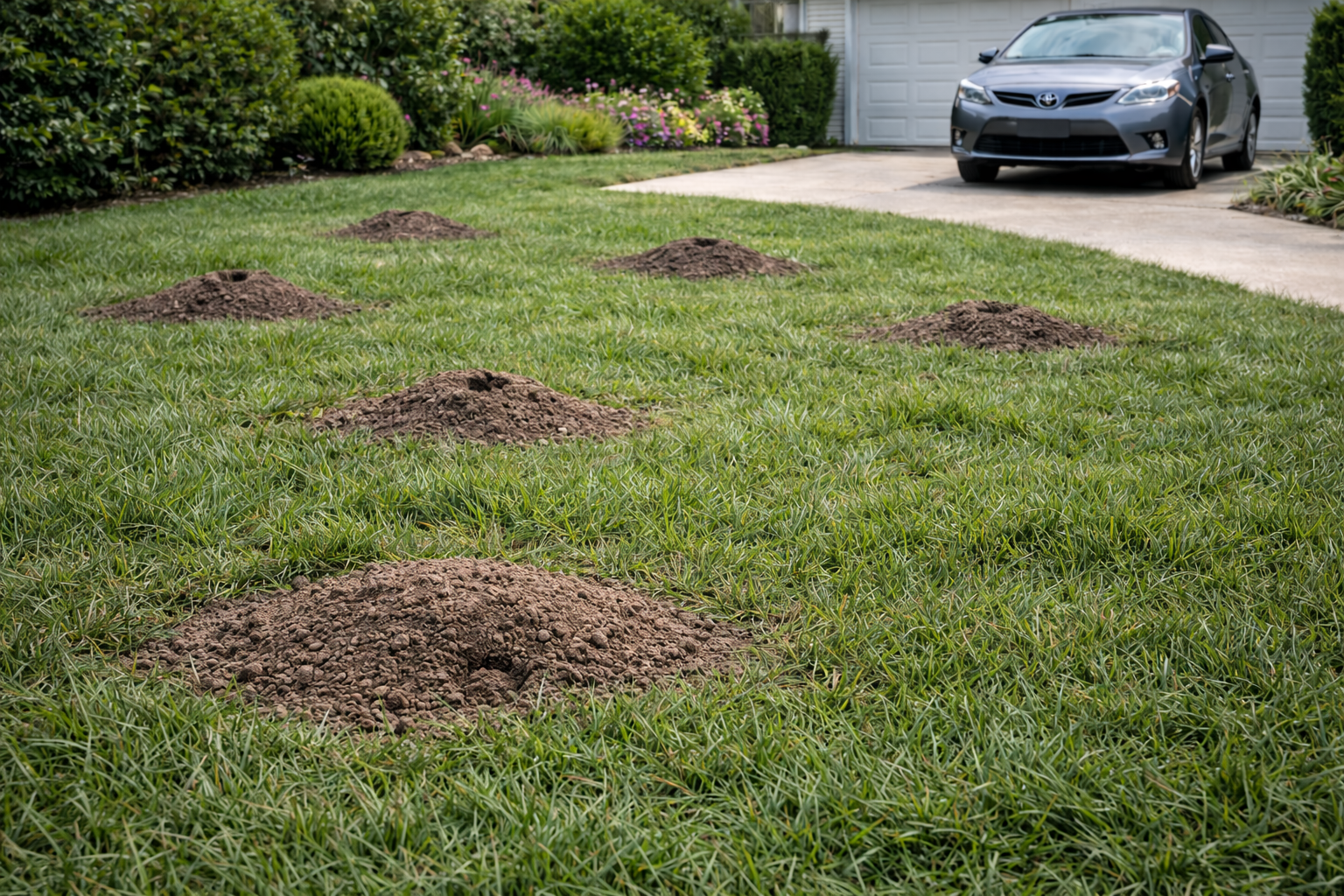
Gopher Activity in Rancho Cucamonga, CA

Gopher activity represents a persistent landscape management challenge throughout Rancho Cucamonga, particularly in residential neighborhoods and cultivated properties across the city's sprawling footprint. The combination of suitable soil conditions, extensive irrigation infrastructure, and proximity to natural habitat corridors creates an environment where pocket gophers thrive year-round. Property owners in communities from the foothills near Etiwanda to the valley floors near the Santa Ana River frequently encounter evidence of gopher burrowing activity.

Why Rancho Cucamonga Has Significant Gopher Activity

Rancho Cucamonga's geographical and environmental characteristics make it particularly conducive to gopher populations. The city sits at an elevation ranging from approximately 1,100 feet in the valley areas to over 3,000 feet in the foothills, with most residential development concentrated in the intermediate zones where soil conditions are ideal for burrowing. The underlying soil composition throughout much of Rancho Cucamonga consists of sandy loam and alluvial deposits derived from the San Gabriel Mountains, creating substrate that gophers can easily excavate without excessive hardness or compaction.

The region's climate—characterized by hot, dry summers and mild winters with occasional rainfall—supports year-round gopher activity, though with seasonal intensity variations. Extensive residential irrigation systems throughout neighborhoods like Etiwanda, Guasti, and the areas surrounding Rancho Cucamonga High School provide consistent moisture that keeps soil workable and attracts gophers seeking both water and the vegetation supported by irrigation. The city's proximity to undeveloped areas, including segments near the Santa Ana River and foothill zones, maintains a continuous source population of gophers that can migrate into cultivated properties. Agricultural remnants and orchards that historically dominated the landscape before suburban development also continue to support significant gopher populations in certain zones.

Common Gopher Species in Rancho Cucamonga

The Botta's pocket gopher (Thomomys bottae) represents the predominant gopher species found throughout Rancho Cucamonga and the broader Inland Empire region. Named after nineteenth-century naturalist Paulo Émilio Botta, this species is medium-sized, typically weighing between four and eight ounces, with body length ranging from five to seven inches. Adults display fur coloration ranging from dark brown to tan, with lighter-colored fur on the underside, and possess the characteristic large front incisors and small eyes typical of fossorial rodents adapted to underground life.

Botta's pocket gophers are particularly well-suited to Rancho Cucamonga's soil types and climatic conditions. Their powerful forelimbs and specialized shoulder musculature allow them to excavate extensive burrow systems through the sandy loam substrates common throughout the city. The species derives its "pocket" designation from the external, fur-lined cheek pouches that gophers use to transport food and nesting material. These pouches can expand significantly and remain lined with fur throughout their depth, distinguishing pocket gophers from other rodent species. In Rancho Cucamonga properties with established landscaping, Botta's pocket gophers construct burrow systems that typically extend several feet deep and branch into multiple chambers used for nesting, food storage, and waste deposition.

When Gopher Activity Peaks in Rancho Cucamonga

Gopher activity in Rancho Cucamonga exhibits distinct seasonal patterns influenced by the region's climate and reproductive cycles. The primary breeding season occurs from January through March, corresponding with the onset of winter and early spring rainfall. During this period, gophers become more mobile and aggressive in establishing territories and expanding burrow systems, resulting in increased surface mound activity visible in yards throughout the city. Homeowners in Rancho Cucamonga neighborhoods typically observe the most pronounced gopher evidence during late winter and early spring months.

Spring precipitation, while relatively modest in Rancho Cucamonga compared to coastal California regions, stimulates both vegetation growth and soil moisture conditions that attract gopher activity. The warmer temperatures beginning in April encourage gophers to expand feeding areas and enlarge burrow systems in preparation for the dry season. Summer activity (June through August) continues but may appear less visible as gophers remain deeper in burrow systems to escape extreme heat and seek cooler, more moisture-retentive soil layers. Fall months (September through November) bring renewed activity as gophers prepare food caches for winter months and as residual irrigation continues to maintain suitable soil conditions. Even during the dry season, the extensive irrigation networks throughout Rancho Cucamonga neighborhoods sustain sufficient soil moisture to support active gopher populations, unlike naturally arid regions where gophers enter dormant periods.

Signs of Gopher Damage in Rancho Cucamonga Yards

Identifying gopher activity requires familiarity with characteristic signs that distinguish gopher burrows from other rodent burrows or landscape features. The most distinctive evidence consists of fan-shaped or crescent-shaped mounds of fresh soil that gophers push to the surface while excavating subsurface tunnels. These mounds typically measure six to twelve inches in diameter and appear as raised ridges with a characteristic plug or hole where the gopher has pushed soil outward. In Rancho Cucamonga's diverse landscaping environments—ranging from native desert-adapted plantings to traditional turf lawns—these mounds appear suddenly in various locations as gophers extend their burrow networks.

Beyond surface mounding, gopher activity manifests through damage to irrigation systems, including severed drip lines, punctured soaker hoses, and compromised underground pipes. Gophers damage irrigation components while tunneling and may also exploit existing irrigation lines as travel corridors. Vegetation damage represents another significant indicator, particularly in yards containing ornamental shrubs, fruit trees, or vegetable gardens common throughout Rancho Cucamonga properties. Gophers clip plant stems below the soil surface while feeding on roots and may girdle trees by removing bark in subsurface burrow chambers. Sunken areas in otherwise level turf may indicate collapsed burrow sections or areas of intensive tunneling beneath the surface. Property owners may also observe mysterious disappearance of plants or sections of newly installed landscaping without obvious surface damage, indicating root consumption by gophers working entirely beneath grade.

Landscape Considerations for Rancho Cucamonga Properties

Rancho Cucamonga properties display diverse landscaping approaches reflecting both the region's Mediterranean climate suitability and individual homeowner preferences. Traditional turf-based lawns remain common, particularly in established neighborhoods like the areas near Rancho Cucamonga High School and throughout the valley floor residential zones. However, increasing numbers of properties incorporate drought-resistant native plantings, desert-adapted ornamentals, and hardscape features reflecting both water conservation awareness and the region's natural plant communities. These landscape choices carry different implications for gopher vulnerability and management strategies.

Turf-based lawns provide particularly attractive habitat for gophers, as the maintained grass includes tender shoots and root systems that comprise preferred food sources. The consistent soil moisture beneath irrigated turf creates ideal burrowing conditions with stable tunnel walls. Conversely, properties featuring substantial hardscape elements—including patios, walkways, and other non-vegetated surfaces—present physical barriers to gopher colonization and reduce available food sources. Native plantings and drought-resistant species, while requiring less water overall, may experience less intensive gopher pressure than water-intensive traditional landscaping simply due to reduced irrigation and less palatable plant species. However, certain drought-resistant plants, including some species in the bean family and various root crops, remain vulnerable to gopher herbivory even in water-conserving landscape designs. Rancho Cucamonga properties incorporating a mix of hardscape, native plantings, and selected ornamentals can reduce gopher attractiveness while maintaining functional, attractive outdoor spaces suited to the region's climate and aesthetic preferences.