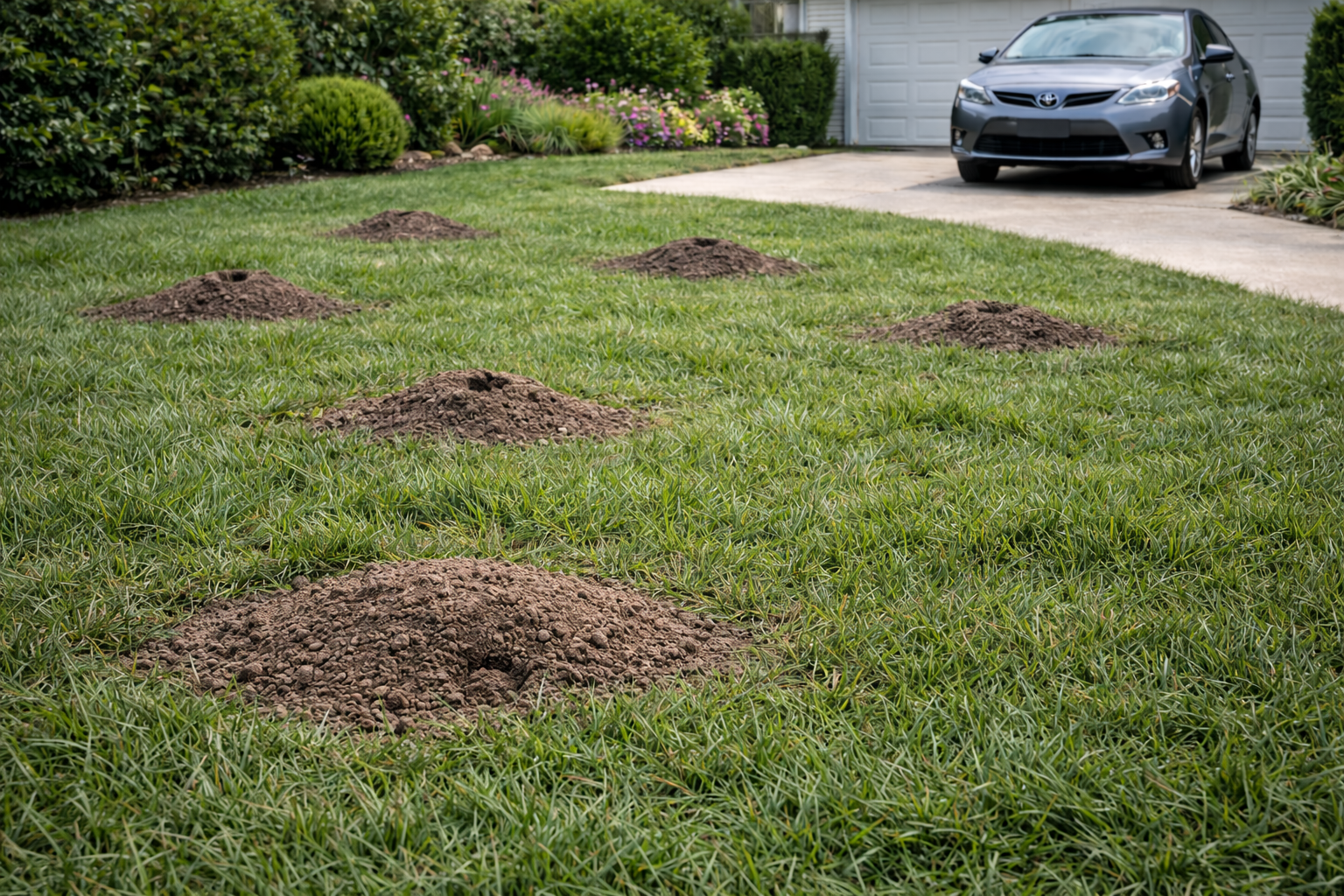
Gopher Activity in Rancho Palos Verdes, CA
Gopher activity represents a persistent challenge for property owners throughout Rancho Palos Verdes, a coastal community in Los Angeles County situated on the Palos Verdes Peninsula. The combination of Mediterranean climate, well-irrigated residential landscapes, and proximity to undeveloped coastal scrub habitat creates ideal conditions for sustained gopher populations. Understanding the factors driving this activity and recognizing the signs of infestation enables residents to make informed decisions about landscape management and property maintenance.
Why Rancho Palos Verdes Has Significant Gopher Activity
The environmental characteristics of Rancho Palos Verdes create exceptionally favorable conditions for gopher populations. The area's soil composition, dominated by Huerhuero loam and similar well-draining soils derived from weathered volcanic rock, allows gophers to tunnel with relative ease. These soils, while excellent for drainage and plant growth, present minimal resistance to the excavation activities that define gopher behavior.
Rancho Palos Verdes receives approximately 15 inches of annual rainfall, concentrated almost entirely between November and March. This seasonal precipitation pattern, combined with the extensive irrigation systems that maintain the community's diverse residential landscaping, creates year-round soil moisture conditions. Moist soil is essential for gopher survival, as it prevents burrow collapse and maintains adequate food sources including roots, bulbs, and tender plant material.
The geographic position of Rancho Palos Verdes on the Palos Verdes Peninsula places residential neighborhoods adjacent to significant natural areas, including coastal sage scrub and native chaparral habitat. Gopher populations in these undeveloped zones continuously expand into adjacent properties, particularly in neighborhoods with less intensive landscape management. Areas bordering open space—including properties near the Palos Verdes Nature Preserve and scattered coastal bluff areas—experience notably higher gopher pressure than more inland neighborhoods.
Common Gopher Species in Rancho Palos Verdes
The Botta's pocket gopher (Thomomys bottae) represents the primary gopher species affecting Rancho Palos Verdes properties. This species measures approximately 5 to 7 inches in body length, with a tail adding another 1 to 2 inches. Botta's pocket gophers display variable coloration ranging from tan to dark brown, often with darker fur on the back and lighter coloring on the ventral surface. The species derives its common name from external cheek pouches, or "pockets," which gophers use to transport food and nesting material through their tunnel systems.
Botta's pocket gophers are adapted to the semi-arid conditions characteristic of coastal Southern California. These solitary animals establish extensive burrow systems that can extend across multiple properties, with individual territories encompassing areas of 200 to 2,000 square feet depending on soil conditions and food availability. Within Rancho Palos Verdes, Botta's pocket gophers thrive in both cultivated residential landscapes and natural habitat areas, demonstrating remarkable ecological flexibility.
The species exhibits well-developed front claws and robust forelimbs specifically evolved for soil excavation. Their small eyes and ears, positioned high on the head, represent adaptations to underground existence. Botta's pocket gophers are active year-round, though their surface activity and burrow construction intensify during specific seasonal windows, particularly spring months when moisture levels support tunnel maintenance and breeding activities.
When Gopher Activity Peaks in Rancho Palos Verdes
Seasonal patterns significantly influence gopher activity levels throughout Rancho Palos Verdes. The breeding season extends from January through March, coinciding with the region's winter rainfall period. During these months, increased soil moisture facilitates tunnel construction and maintenance, while abundant succulent vegetation provides crucial nutrition for reproducing adults and developing juveniles. Property owners frequently observe elevated mounding activity during this window, as gophers expand territories and establish new burrow chambers.
Spring months—particularly March through May—represent another period of pronounced gopher activity in Rancho Palos Verdes. The combination of winter rainfall residue, active plant growth, and post-winter population recovery creates optimal conditions for gopher foraging and burrowing. Gardens and landscape beds featuring spring-planted vegetation often experience rapid gopher colonization during this season, as young plants offer tender, nutritious food sources.
Summer activity typically declines as Rancho Palos Verdes' Mediterranean climate produces drier conditions and hardened soils. However, properties with active irrigation systems maintain sufficient soil moisture to sustain gopher populations throughout the year. Fall months show variable activity patterns; early autumn may see reduced surface evidence as gophers retreat into deeper burrow systems, while late fall activity can increase as conditions cool and moisture levels gradually rise in anticipation of the winter rainy season.
Signs of Gopher Damage in Rancho Palos Verdes Yards
The most visible evidence of gopher activity appears in the form of mounding—soil that accumulates at burrow openings and tunnel exits. These characteristic mounds typically measure 4 to 8 inches in diameter and range from 1 to 3 inches in height, though dimensions vary based on soil type and tunnel architecture. In Rancho Palos Verdes yards, gopher mounds appear most frequently in landscape beds, lawns, and areas with shallow soil overlying bedrock or compacted soil layers that force burrow systems toward the surface.
Gophers cause substantial damage to irrigation infrastructure, which represents a significant concern throughout Rancho Palos Verdes given the prevalence of drip irrigation systems and automated watering installations. Gopher tunnels frequently intersect with buried emitter lines, drip tubing, and main irrigation feeds, resulting in water leaks and system inefficiency. Property owners may notice sudden dry patches in otherwise well-watered landscape areas, or observe unexpected water pooling caused by damaged underground irrigation components.
Plant damage from gopher activity manifests through several mechanisms. Gophers consume bulbs, tubers, and root systems of ornamental plants, vegetables, and newly installed landscape specimens. Damage often appears sudden and complete, with plants wilting or dying despite adequate water availability. Root vegetables in garden settings may show evidence of gnawing, and tree seedlings frequently die from gopher activity directed at the root collar below the soil surface. In established landscape plantings throughout Rancho Palos Verdes neighborhoods, gophers preferentially target frost-tender species and newly irrigated plant materials.
Landscape Considerations for Rancho Palos Verdes Properties
Rancho Palos Verdes residential landscapes reflect the community's Mediterranean and California contemporary aesthetic preferences, typically featuring combinations of native coastal sage scrub plants, ornamental Mediterranean species, and water-efficient groundcovers. Properties throughout the community commonly incorporate species including toyon, buckwheat, sage varieties, ornamental grasses, and low-water shrubs alongside more thirsty landscape elements like fruit trees and garden beds. These diverse plantings create varied gopher habitat, with newly irrigated tender specimens particularly vulnerable to damage.
The geographic variability within Rancho Palos Verdes influences gopher risk across different neighborhoods. Hillside properties with shallow soil overlying bedrock experience different gopher pressure patterns than valley-floor locations with deeper, more uniform soil profiles. Properties adjacent to the Portuguese Bend Landslide area and other topographically distinctive locations feature unique soil compositions that may influence gopher behavior. Coastal neighborhoods near bluff areas encounter gopher populations expanding from adjacent undeveloped habitat, while more central neighborhoods may experience slower colonization rates.
Hardscape elements—including patios, pathways, and drainage infrastructure—represent significant considerations in gopher-prone properties. Gophers tunnel beneath hardscape features, potentially undermining stability and creating settling problems. Properties featuring extensive lawn areas or traditional irrigation systems face higher gopher pressure than those emphasizing drought-resistant hardscape design. Rancho Palos Verdes homeowners increasingly recognize that strategic landscape modification, including reduction of irrigated areas and selective plant selection, can influence long-term gopher population dynamics on individual properties.
For professional gopher control in Southern California, visit Rodent Guys — serving Los Angeles, Orange, San Bernardino, and Riverside counties.