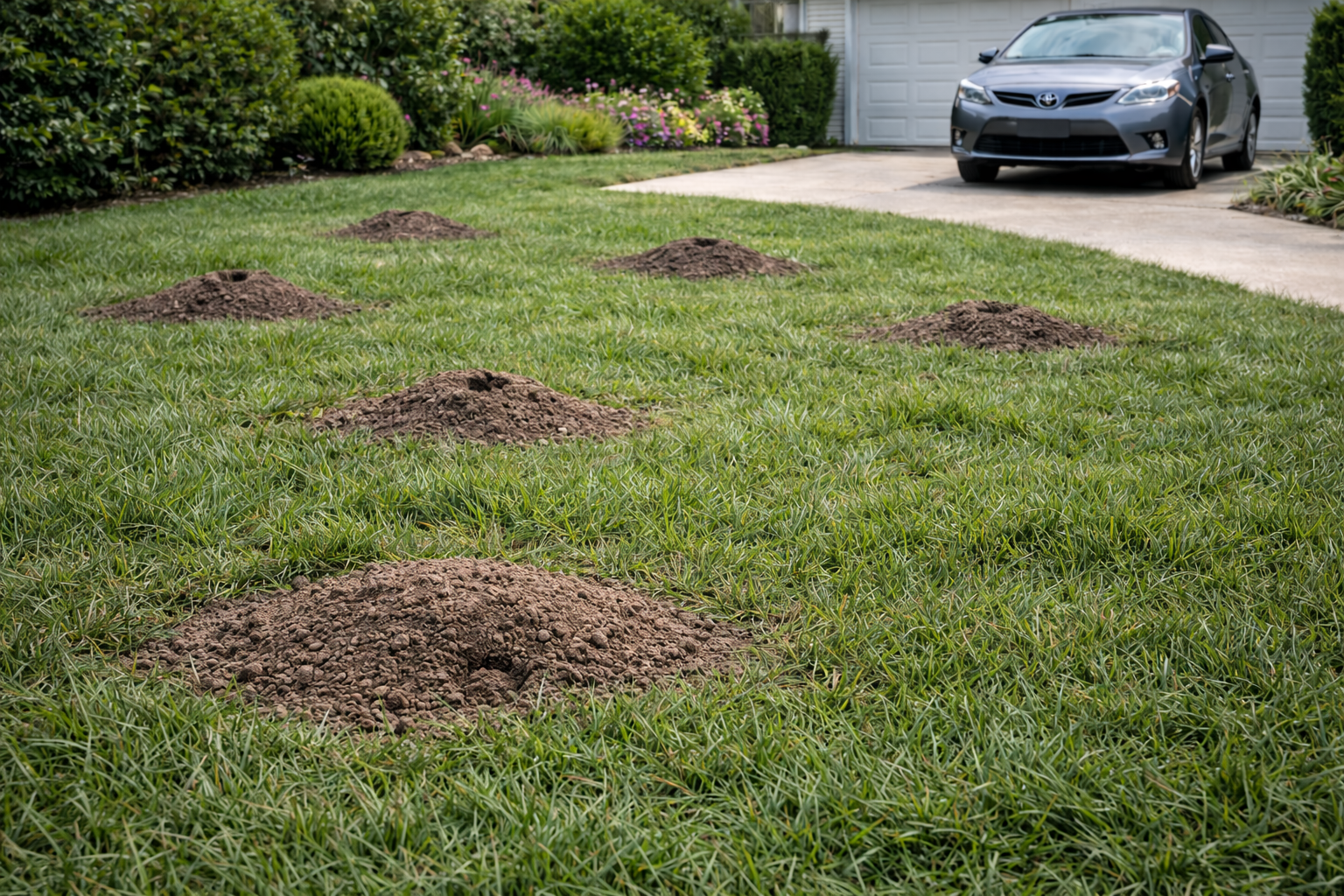
Gopher Activity in Reseda, CA
Reseda, a mid-sized neighborhood in the San Fernando Valley region of Los Angeles, experiences consistent gopher activity throughout the year. The combination of residential landscaping, irrigated lawns, and proximity to undeveloped foothill areas creates an ideal environment for pocket gopher populations to thrive. Property owners in Reseda frequently encounter signs of burrowing activity in their yards, making understanding gopher behavior and habitat preferences essential for anyone maintaining a landscape in this area.
Why Reseda Has Significant Gopher Activity
Reseda's geographic location and environmental conditions make it particularly attractive to pocket gophers. The neighborhood sits in the San Fernando Valley, an area characterized by alluvial soils deposited from ancient water flows and mountain runoff. These soils are typically loose and friable—ideal for the burrowing activities that pocket gophers depend upon. The valley floor composition, combined with clay and sandy loam layers, provides the structural stability gophers need to construct extensive tunnel systems without collapse.
The local climate plays a supporting role in sustaining gopher populations. Reseda experiences warm, dry summers and mild winters typical of the San Fernando Valley, with average temperatures ranging from the low 50s Fahrenheit in winter to the high 80s in summer. This extended growing season means vegetation remains available as food sources for much of the year. The area receives limited rainfall—typically concentrated between November and March—but the widespread use of irrigation systems throughout residential properties ensures consistent soil moisture that gophers require for survival and tunneling.
Landscaping practices common in Reseda further support gopher populations. Many properties feature ornamental gardens, fruit trees, and vegetable plots, all of which attract gophers searching for nutritious bulbs, roots, and tender plant material. Additionally, Reseda's proximity to the Santa Susana Mountains and local open spaces means gophers can migrate from wild populations into residential areas with relative ease, establishing new burrow systems in yards that provide easier access to food than hillside terrain.
Common Gopher Species in Reseda
The primary gopher species found in Reseda is the Botta's pocket gopher, scientifically known as Thomomys bottae. This species is the dominant pocket gopher throughout Southern California and particularly abundant in the San Fernando Valley region. Botta's pocket gophers are medium-sized rodents, typically weighing between 2 and 3.5 ounces, with body lengths ranging from 5 to 7 inches. Their fur color varies from light tan to dark brown, often reflecting the soil color of their native habitat—a form of camouflage that makes them difficult to spot even when above ground.
These gophers possess several distinctive physical features that adapted them perfectly for subterranean life. Their eyes and ears are small and positioned high on their heads, allowing them to navigate tunnels with minimal vision while remaining alert to underground dangers. Botta's pocket gophers have powerful front legs equipped with long claws designed for excavating soil and moving earth. The large external cheek pouches that give pocket gophers their common name serve as specialized storage compartments for transporting food and nesting materials through their burrow systems.
In Reseda yards, Botta's pocket gophers establish semi-permanent burrow networks that can extend 10 to 40 feet horizontally and reach depths of 2 to 3 feet. They are solitary animals outside of breeding season, meaning each burrow system typically houses a single gopher. The species shows seasonal variation in activity levels, with increased burrowing visible during certain times of the year corresponding to breeding cycles and food availability patterns specific to the San Fernando Valley environment.
When Gopher Activity Peaks in Reseda
Gopher activity in Reseda follows predictable seasonal patterns influenced by local climate and breeding cycles. The breeding season for Botta's pocket gophers typically runs from January through March, coinciding with winter rains in Southern California. During this period, gophers become more active as they expand existing burrow systems and excavate new tunnels in search of mates. Male gophers travel greater distances during breeding season, resulting in increased surface visibility of burrow systems and fresh mounds appearing frequently in Reseda yards during early spring.
Spring activity continues through April and May as newly weaned juvenile gophers disperse from maternal burrow systems to establish their own territories. This dispersal period often brings temporary increases in gopher presence as young animals search for suitable soil and food sources. The arrival of spring rains—typically between February and April in the San Fernando Valley—softens soil conditions, making excavation easier and encouraging intensive burrowing activity. Property owners in Reseda often notice the most dramatic changes to their landscape during these spring months.
Summer months, June through August, typically see reduced visible gopher activity as soil hardens and becomes more difficult to tunnel through. However, gophers remain active underground, particularly in areas where irrigation maintains soil moisture. Fall activity remains relatively consistent, with some increase as gophers prepare for winter by establishing deeper burrows and accumulating food reserves. Winter itself brings reduced surface activity but does not halt underground movement, particularly in Reseda where mild temperatures allow continued burrowing throughout the coldest months.
Signs of Gopher Damage in Reseda Yards
Identifying gopher presence in Reseda requires familiarity with the characteristic signs these animals leave behind. The most obvious indicator is the appearance of fresh mounds—small hills of loose soil deposited on the surface when gophers excavate tunnels. Gopher mounds are distinctive in appearance: they typically measure 4 to 6 inches in diameter and 2 to 4 inches in height, with a somewhat plugged or cone-shaped top where the gopher has pushed soil upward from below. Fresh mounds appear regularly throughout spring and early summer in active Reseda yards, often appearing overnight or within days of each other in concentrated areas.
Beyond mound formation, gophers cause damage to irrigation systems and underground utilities. In Reseda's typical landscape, gophers frequently gnaw through drip irrigation lines and soaker hoses while tunneling beneath landscaped areas. This damage disrupts water delivery to plantings, forcing homeowners to discover broken lines only after noticing wilting vegetation. Gophers also sever electrical conduits and damage buried cables, though these incidents are less common than irrigation damage.
Plant damage serves as another clear indicator of gopher presence. Gophers clip off roots of shrubs, trees, and herbaceous plants from underground, causing sudden wilting and death. In Reseda yards featuring vegetable gardens or ornamental plantings, gophers pull entire young plants underground while feeding on bulbs and root vegetables. They damage fruit tree root systems, gnaw on bark of young trees, and consume entire ground covers. Flower bulbs—tulips, daffodils, and similar ornamentals common in Reseda landscaping—are particularly vulnerable to gopher predation, often disappearing entirely from planted areas during peak gopher activity.
Landscape Considerations for Reseda Properties
Understanding which plants and landscaping approaches attract gophers helps Reseda property owners make informed decisions about yard design. The typical Reseda yard features a mix of drought-tolerant shrubs, turf grass, fruit trees, and ornamental plantings reflecting decades of Southern California landscaping evolution. However, certain landscape elements prove particularly attractive to gophers and may warrant reconsideration by homeowners managing active gopher populations. Root vegetables, bulbs, and tender perennials top the list of gopher-preferred plants, making them high-risk choices for properties with documented gopher activity.
Fruit trees common in Reseda—including citrus, stone fruits, and avocado—attract gophers through their roots and tender bark. Apricot, cherry, and plum trees prove especially vulnerable. Roses, tulips, daffodils, and other ornamental bulbs that grace many Reseda gardens are frequent gopher food sources. Ground covers like ivy and vinca become increasingly susceptible to damage from gopher tunneling beneath them. Conversely, certain plants demonstrate greater resistance to gopher predation. Established trees with thick, protective bark and deep root systems weather gopher damage more successfully. Native shrubs adapted to local conditions often prove more resilient than highly cultivated ornamentals.
Hardscaping alternatives—concrete pathways, gravel areas, and defined bed edges—can reduce overall gopher activity by limiting available soft soil for burrowing and reducing the extent of vulnerable plantings. Some Reseda properties have successfully transitioned toward more xeriscaping approaches with established native plantings, which simultaneously reduces irrigation requirements, lowers water bills, and decreases gopher-favorable moisture conditions. The balance between aesthetic preferences, plant selection, and gopher management remains a practical concern for many Reseda residents seeking landscape solutions that accommodate the neighborhood's active gopher population.
For professional gopher control in Southern California, visit Rodent Guys — serving Los Angeles, Orange, San Bernardino, and Riverside counties.