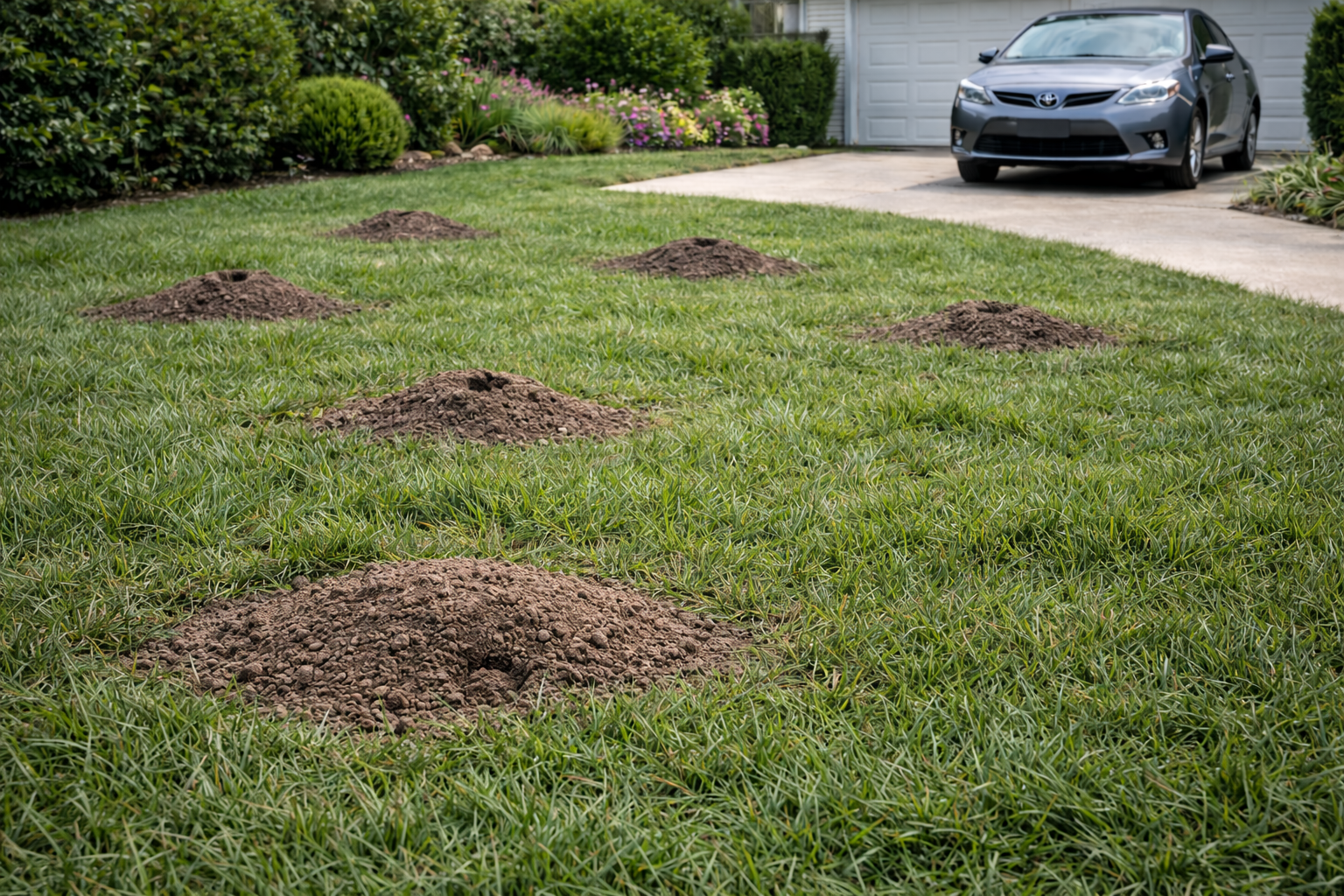
Gopher Activity in Rialto, CA

Rialto, situated in San Bernardino County within the Inland Empire region of Southern California, experiences consistent gopher activity throughout the year. The city's suburban landscape, characterized by residential properties, commercial developments, and proximity to agricultural and undeveloped land, creates ideal conditions for pocket gopher populations. Property owners in Rialto frequently encounter evidence of gopher burrowing, which ranges from minor aesthetic concerns to significant structural and horticultural damage.

Why Rialto Has Significant Gopher Activity

Rialto's geographic location and environmental characteristics make it particularly susceptible to gopher colonization. The city sits at an elevation of approximately 1,600 feet and experiences a semi-arid climate with warm, dry summers and mild winters. Annual precipitation averages around 10 inches, concentrated primarily between November and March. This limited rainfall pattern necessitates extensive irrigation systems throughout residential and commercial properties, creating consistently moist soil conditions that gophers find highly attractive.

The underlying soil composition in Rialto consists primarily of sandy loam and alluvial deposits from historical water flow patterns. These soil types are relatively easy for gophers to excavate, requiring less energy expenditure during burrow construction compared to clay-heavy or compacted soils found in other regions. The combination of irrigated landscapes and workable soil creates optimal conditions for tunnel networks and foraging activities.

Rialto's proximity to undeveloped land in the foothills and surrounding desert areas provides natural gopher habitat that constantly supplies nearby residential and commercial zones with migrating populations. The city's expanding suburban development frequently encroaches on traditional gopher territories, forcing animals into inhabited areas or creating transitional zones where both wild and urban gopher populations coexist. Local canyons and wash areas support native vegetation that sustains wild gopher colonies, which serve as population reservoirs.

Common Gopher Species in Rialto

The Botta's pocket gopher (Thomomys bottae) represents the dominant gopher species throughout Rialto and the broader San Bernardino County region. This species exhibits physical characteristics that distinguish it from other burrowing rodents commonly encountered in California. Adult Botta's pocket gophers typically measure between 5 and 7 inches in body length, with individuals weighing approximately 2 to 4 ounces. They possess relatively small eyes and ears, adaptations reflecting their primarily subterranean lifestyle.

The fur color of Botta's pocket gophers in the Rialto area ranges from dark brown to tan, often matching the color of local soil types. This coloration provides camouflage during the brief periods when these animals move above ground. Pocket gophers derive their common name from fur-lined cheek pouches used for transporting food and nesting materials through tunnel systems. These cheek pouches can expand substantially and remain lined with short hairs that facilitate easy loading and unloading of materials.

Botta's pocket gophers are solitary animals outside the breeding season, with each individual maintaining its own burrow system across a territory typically ranging from 200 to 2,000 square feet. In Rialto's suburban environment, multiple gophers often establish overlapping territories within single residential properties, particularly in yards with extensive irrigation systems and abundant vegetation. Their presence in specific locations persists until environmental conditions change or populations naturally cycle through boom and decline phases.

When Gopher Activity Peaks in Rialto

Gopher activity in Rialto demonstrates distinct seasonal patterns that correlate with temperature, moisture availability, and breeding cycles. The breeding season extends from January through March, a period when male gophers increase surface activity seeking females. During these months, property owners frequently observe new mounds appearing across yards and landscaped areas, as increased gopher movement and territorial disputes generate more visible evidence of underground activity.

Spring rains occurring between February and April temporarily increase soil moisture levels beyond what irrigation systems provide. This moisture enhancement softens soil, making excavation easier and promoting vegetation growth that supplies additional food resources. The combination of easier digging conditions and abundant plant material sustains high population densities through late spring. As temperatures rise and surface soil dries during late spring and early summer, gophers spend more time in deeper portions of burrow systems where soil retains moisture.

Summer through early fall represents a period of reduced visible activity, though gophers continue foraging and maintaining burrow systems. The dry conditions prevalent in Rialto during these months concentrate gopher activity in irrigated yards where artificial moisture supports both the animals and their food plants. Fall cooling and occasional precipitation in October and November can stimulate renewed burrowing activity before the breeding season recommences. Understanding these seasonal patterns helps residents anticipate periods when gopher evidence becomes most prominent on their properties.

Signs of Gopher Damage in Rialto Yards

The most obvious indication of gopher presence in Rialto properties consists of characteristic mounds that appear across lawns, garden beds, and landscaped areas. These mounds, typically 2 to 6 inches in height and 4 to 8 inches in diameter, form as gophers excavate tunnel systems and push soil to the surface. The mound appearance provides diagnostic information; Botta's pocket gopher mounds characteristically display a plug or slightly off-center appearance at the apex, distinguishing them from mole mounds that remain more symmetrical.

Irrigation system damage represents another significant concern in Rialto's water-dependent landscape. Gophers frequently tunnel through irrigation lines, drip tubing, and lateral lines while constructing their burrow networks. This damage disrupts water distribution, creating dry zones in otherwise irrigated areas while wasting water in compromised sections. Property owners may notice wilting plants adjacent to healthy vegetation, irregular watering patterns, or increased water bills resulting from leaking irrigation systems damaged by gopher activity.

Plant damage extends beyond irrigation disruption. Gophers feed on roots, bulbs, and underground portions of vegetables, ornamentals, and fruit trees commonly cultivated in Rialto yards. Young citrus trees, a popular choice in the region, suffer particular vulnerability to gopher root damage. Root-feeding activity causes plants to wilt, decline, or die despite adequate watering and nutrient availability. Gophers also consume above-ground vegetation by pulling plants downward into tunnels from below, creating distinctive damage patterns where plants disappear from gardens overnight.

Landscape Considerations for Rialto Properties

Rialto's residential landscape aesthetic typically features a blend of desert-adapted plants, ornamentals, and functional vegetation reflecting the region's semi-arid climate. Many properties incorporate drought-tolerant shrubs, gravel beds, and xeriscaped designs alongside traditional lawns and shade trees. This mixed landscaping approach creates varied microhabitats that support gopher populations while providing aesthetic and functional benefits to property owners. The prevalence of irrigation systems supporting lawns and ornamental plants, however, maintains the soil moisture conditions that gophers require year-round despite Rialto's naturally dry climate.

Common plantings in Rialto yards include citrus varieties (lemon, orange, grapefruit), stone fruits (peach, apricot), and ornamental trees such as liquidambar and crape myrtle. These plants typically feature roots within the upper 12 to 24 inches of soil, placing them directly in the foraging range of gopher burrow systems. Vegetable gardens, present on numerous Rialto properties, suffer particular vulnerability during growing seasons. Root crops including carrots, turnips, and potatoes face complete loss when gopher populations become established in garden areas.

The choice between hardscape features (patios, pathways, walls) and softscape plantings influences gopher habitat suitability within Rialto properties. Extensive hardscaping reduces gopher populations by minimizing soil available for burrow construction and eliminating vegetation for foraging. Conversely, properties with dense vegetation, extensive lawns, and active irrigation systems provide optimal conditions for sustained gopher colonization. Understanding how landscaping choices affect gopher habitat allows property owners to make informed decisions about yard design and plant selection that consider longer-term pest management implications.