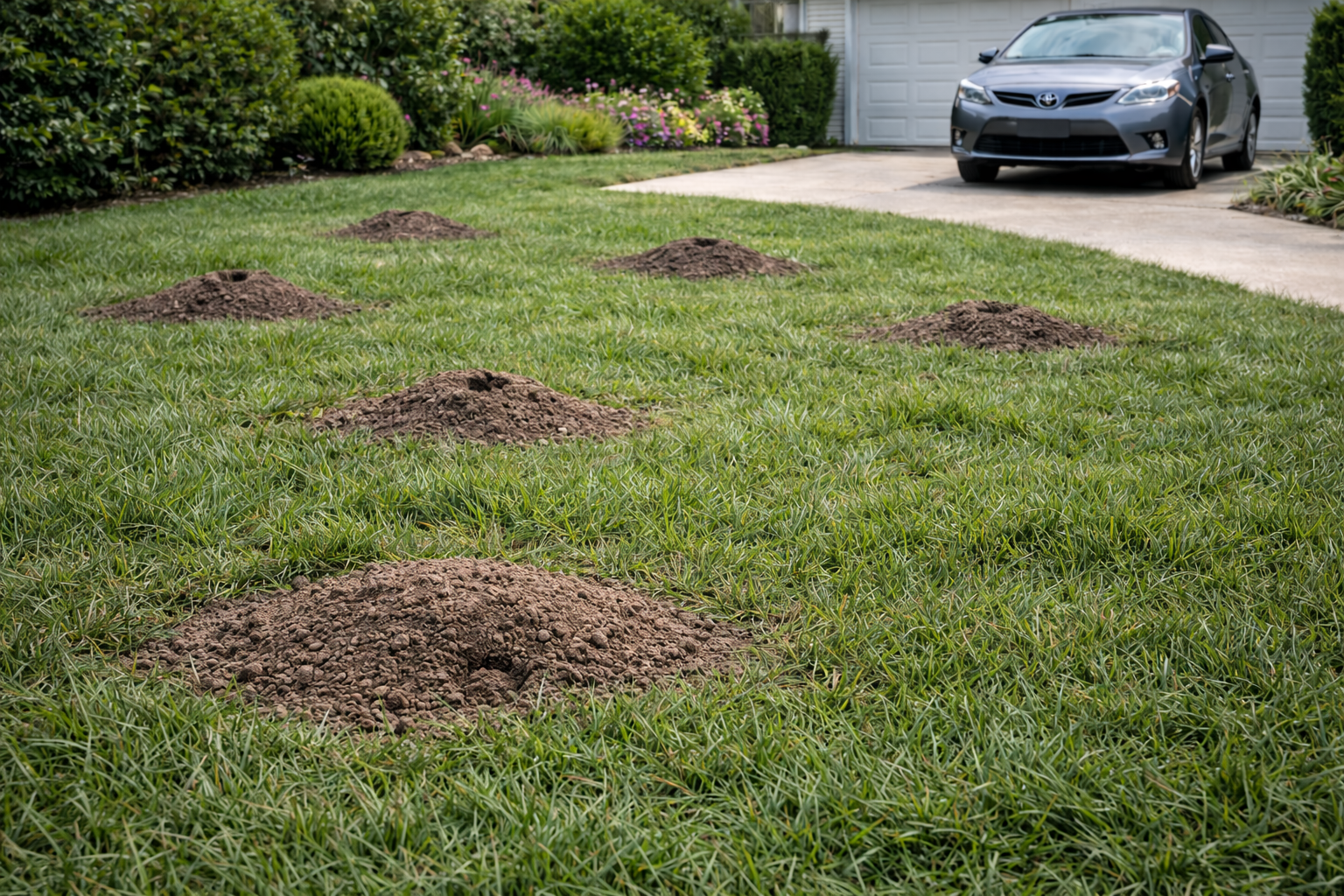
Gopher Activity in Riverside, CA
Gophers represent a persistent ecological and agricultural challenge throughout Riverside County, with activity levels significantly higher than in many other California regions. The combination of Riverside's warm climate, extensive irrigation infrastructure, and proximity to undeveloped land creates ideal conditions for gopher populations to establish and expand. Understanding gopher behavior, seasonal patterns, and damage indicators helps property owners and land managers recognize problems early and make informed decisions about management strategies.
Why Riverside Has Significant Gopher Activity
Riverside's geography and environmental conditions make the region particularly susceptible to gopher populations. The Inland Empire's soil composition—primarily composed of alluvial deposits with sandy loam characteristics in many areas—provides ideal burrowing substrate. These soils are soft enough for gophers to tunnel with minimal effort, yet stable enough to maintain tunnel structure without frequent collapse. The region's extensive citrus groves, avocado orchards, and agricultural operations have historically created expansive gopher habitat corridors that persist even in residential areas.
Water availability significantly influences gopher activity in Riverside. The region's irrigation systems, including both municipal water lines and agricultural irrigation channels, provide consistent moisture that keeps soil workable year-round. Unlike arid regions where gophers must migrate seasonally in search of water, Riverside's landscape maintenance practices ensure soil remains accessible for tunneling throughout the year. The Santa Ana River, San Jacinto River, and numerous irrigation channels maintain groundwater levels that support active gopher colonies.
Riverside's Mediterranean climate—characterized by mild, wet winters and hot, dry summers—differs markedly from coastal Southern California. Winter temperatures rarely drop below freezing, allowing gophers to remain active during months when populations in colder regions slow their tunneling. The seasonal rains between November and March coincide with peak gopher breeding season, triggering increased soil activity as females prepare nesting chambers and males expand territory boundaries.
The city's proximity to undeveloped land and natural habitat areas, including the San Jacinto Wildlife Area and surrounding chaparral regions, maintains a continuous reservoir of gopher populations. Urban development in Riverside has not eliminated these wild populations; rather, residential neighborhoods, parks, and golf courses have become extensions of natural gopher habitat, offering less hostile conditions than surrounding desert areas.
Common Gopher Species in Riverside
The Botta's pocket gopher (Thomomys bottae) represents the predominant gopher species throughout Riverside County. This medium-sized rodent typically measures six to eight inches in body length, with relatively short tails and powerful front legs adapted for excavation. Botta's pocket gophers display coloration ranging from brown to nearly black, with individuals in Riverside often exhibiting the darker phenotypes common to inland Southern California populations. The species derives its common name from the large, fur-lined cheek pouches used for transporting food and nesting material through tunnel systems.
Physical characteristics of Botta's pocket gophers reflect specialization for subterranean life. Small, functional eyes positioned high on the head allow minimal light perception without protruding from the skull. Highly sensitive facial whiskers compensate for poor vision by detecting tunnel obstructions and changes in tunnel configuration. The gopher's dental anatomy—continuously growing incisors without enamel on the inner surfaces—enables efficient soil excavation without tooth damage. Strong foreleg muscles, supported by specialized bone structure, generate substantial force for digging.
Botta's pocket gophers in Riverside demonstrate behavioral and dietary adaptability that contributes to their success in residential environments. Unlike some gopher species that restrict activity to specific soil types or elevations, Botta's pocket gophers tolerate diverse conditions, from sandy soils near Moreno Valley to clay-heavy soils in western Riverside neighborhoods. They consume a varied diet including roots, bulbs, grasses, and cultivated vegetables, allowing them to exploit both natural and landscaped food sources. Individual gophers maintain territories averaging one-fifth to one-half acre, though resource availability and population density influence actual territory size.
When Gopher Activity Peaks in Riverside
Gopher activity in Riverside follows seasonal patterns driven by breeding cycles and environmental conditions. The peak breeding season extends from January through March, coinciding with Riverside's rainy winter months. During this period, gophers increase tunneling activity substantially as males expand territories seeking mates and females excavate additional chambers for nesting. This seasonal surge in burrowing explains why many Riverside property owners notice fresh mounds and increased damage in late winter and early spring.
The spring season, typically March through May in Riverside, sees sustained high activity as young gophers emerge from nests and disperse to establish independent territories. Juvenile gophers, lacking experience with existing tunnel systems, often create new, visible mounding patterns as they excavate their own burrows. This period coincides with spring landscaping and irrigation adjustments, making gopher damage particularly apparent to homeowners preparing their yards for summer heat.
Summer activity (June through August) typically declines relative to spring peaks, though gophers remain active in irrigated areas. The intense heat and desiccating conditions of Riverside summers drive gophers deeper into soil where moisture persists. However, properties with established irrigation systems—common in residential neighborhoods throughout Riverside—maintain conditions suitable for continued tunneling. Lawn and landscape watering actually sustains gopher activity through the summer by preventing soil from becoming too dry.
Fall months (September through November) represent a transitional period. As temperatures moderate and autumn rains occasionally occur, gopher activity increases modestly compared to summer levels but remains below winter-spring peaks. This season provides an opportunity for property management before peak activity resumes with winter rains, making fall an optimal period for implementing landscape modifications or maintenance strategies.
Signs of Gopher Damage in Riverside Yards
Gopher mounds represent the most visible indicator of activity in Riverside properties. These characteristic soil formations appear as semicircular or horseshoe-shaped mounds, typically four to six inches tall and six to twelve inches in diameter. Unlike mole mounds, which display a centered tunnel opening, gopher mounds feature an offset opening where the gopher pushes soil laterally while excavating deeper tunnels. Active Riverside yards may display multiple mounds appearing over several days or weeks, indicating ongoing territory establishment or feeding tunnel extension.
Subsurface tunnel systems cause damage invisible from ground level but highly destructive to irrigation infrastructure. Gopher tunnels frequently intersect with buried water lines, irrigation drip systems, and drainage pipes. The burrowing process itself damages PVC and polyethylene pipes, while gophers may chew through insulation or small-diameter lines seeking water or root growth within pipes. Riverside properties utilizing drip irrigation—standard in arid regions to maximize water efficiency—experience particularly problematic gopher interactions as gophers exploit the moisture corridors created by irrigation lines.
Landscape vegetation damage occurs both above and below ground. Gophers strip bark from tree roots and shrub stems, girdling woody plants from below ground level where damage remains unnoticed until plant death occurs. Herbaceous plants including vegetables, ornamentals, and lawn grasses experience direct consumption and root damage as gophers tunnel through garden beds. Citrus trees and avocado trees—common in Riverside residential landscapes reflecting agricultural heritage—suffer significant damage from gopher root feeding, particularly affecting young trees establishing root systems.
Sudden wilting of plants connected to active tunnel systems indicates gopher-caused root damage or severing. Landscape settlement or depression in previously level areas may indicate tunnel collapse or extensive subsurface excavation. These settling areas create safety hazards, particularly in high-traffic zones like patios, walkways, and driveways where sudden ground shifts can cause falls or structural stress.
Landscape Considerations for Riverside Properties
Riverside's landscaping patterns reflect both its agricultural history and contemporary water-consciousness requirements. Traditional Riverside properties feature mixed hardscape and softscape designs—including concrete patios, wood fencing, and gravel pathways alongside planted areas. This mixed approach inadvertently creates gopher-vulnerable zones where softscape areas adjacent to hardscape provide tunnel access routes while hardscape itself deflects gopher activity elsewhere. Understanding landscape composition helps property owners identify high-risk areas requiring attention.
Native vegetation common to Riverside landscapes generally resists gopher damage better than introduced ornamentals. Plants including California pepper trees, desert willow, and native shrub species evolved in environments with wild gopher populations and demonstrate relatively greater resilience to root feeding. Conversely, many popular non-native ornamentals including roses, ornamental grasses, and flowering shrubs lack defensive characteristics against gopher feeding, making them preferred food sources.
Vegetable gardens and edible landscapes increasingly prevalent in water-conscious Riverside yards face particular gopher challenges. The tender, nutrient-rich root systems of vegetables including carrots, beets, and potatoes attract intensive gopher feeding. Citrus and avocado trees—economically and culturally significant to Riverside—require particular attention to root protection, as gopher damage during establishment years can permanently compromise tree structure and productivity.
Hardscape barriers including buried fencing or gopher baskets provide physical protection for valuable plants, though these methods require proper installation and maintenance. Strategic placement of rock mulch or river rock in landscape design creates less-favorable burrowing conditions compared to soil-based mulches. Reducing overall irrigation where possible, while maintaining plant health through efficient drip systems, decreases soil moisture that sustains gopher activity. However, Riverside's climate necessitates consistent irrigation for most landscape plants, limiting this management option's practical application.
For professional gopher control in Southern California, visit Rodent Guys — serving Los Angeles, Orange, San Bernardino, and Riverside counties.