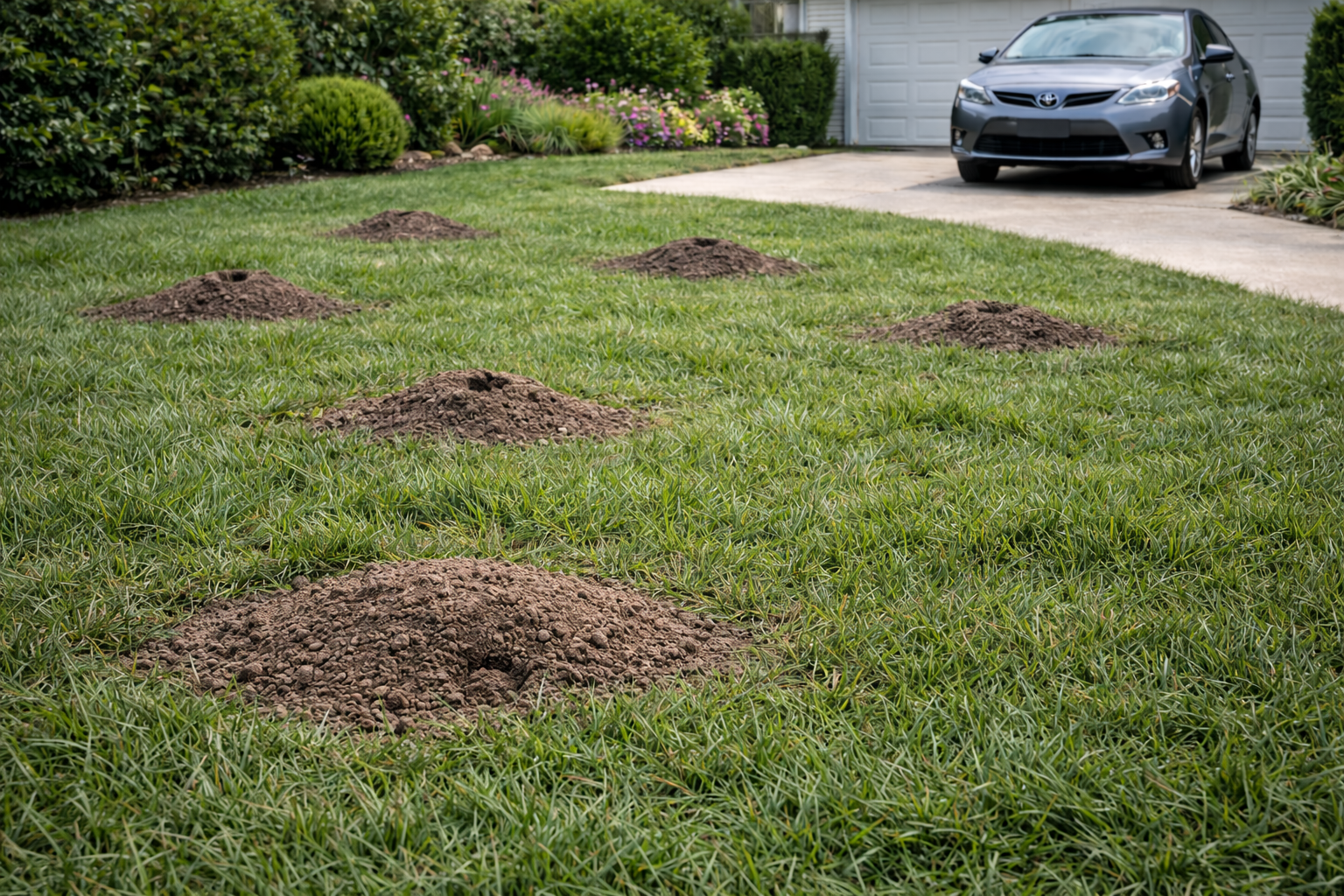
Gopher Activity in San Gabriel, CA

San Gabriel, located in the southeastern part of Los Angeles County, experiences notable gopher activity throughout the year. The city's combination of maintained residential landscapes, agricultural heritage, and proximity to the San Gabriel River watershed creates ideal conditions for pocket gopher populations. Property owners in San Gabriel frequently encounter evidence of gopher tunneling in yards, gardens, and landscaped areas.

Why San Gabriel Has Significant Gopher Activity

San Gabriel's geography and environmental conditions make it particularly attractive to pocket gophers. The area sits in a transitional zone between the San Gabriel Valley floor and foothill regions, with diverse soil compositions that support active burrowing. Much of San Gabriel consists of alluvial soils deposited by the San Gabriel River—sandy loam and silty loam types that are relatively easy for gophers to excavate compared to dense clay or rocky terrain.

The city's irrigation infrastructure, including residential sprinkler systems and maintained landscaping throughout neighborhoods like Gabrieleno, Monterey Hills, and Downtown San Gabriel, creates consistently moist soil conditions that gophers prefer. Pocket gophers require soft, workable soil for tunnel construction, and San Gabriel's landscape maintenance practices inadvertently provide this. Additionally, the Mediterranean climate pattern—with wet winters and dry summers—means that winter and early spring moisture makes soil most conducive to tunneling activity.

San Gabriel's proximity to natural habitat along the San Gabriel River and nearby foothills in the San Gabriel Mountains means gopher populations have natural reservoirs from which they continuously disperse into residential and commercial areas. The elevation range within city limits, from approximately 250 feet near the river to higher elevations toward the north, supports gopher populations across varying microclimates. Older neighborhoods with mature trees and established gardens provide excellent habitat, as root systems create loose soil conditions ideal for gopher burrows.

Common Gopher Species in San Gabriel

The Botta's pocket gopher (Thomomys bottae) is the primary gopher species affecting San Gabriel properties. This species is native to California and found throughout the Los Angeles County region, including all neighborhoods within San Gabriel city limits. Botta's pocket gophers are relatively small rodents, typically weighing between 2 and 4 ounces with body lengths of 5 to 7 inches, though their tails add minimal additional length as these are characteristically short and sparsely haired.

Physically, Botta's pocket gophers display the typical pocket gopher characteristics: powerful front legs with large claws adapted for digging, small eyes adapted to underground life, and external cheek pouches used for carrying soil and food. Their fur coloration in the San Gabriel area typically ranges from brown to dark brown, sometimes with lighter undersides. The species name "bottae" honors the naturalist Paolo Botta, reflecting this gopher's significance in California's fauna.

Within San Gabriel specifically, Botta's pocket gophers occupy both maintained residential properties and natural open spaces. They are solitary animals except during breeding season, with each individual typically maintaining its own tunnel system spanning 200 to 500 square feet of area. The burrows serve multiple purposes: food storage chambers, nesting areas, and toilet chambers, demonstrating sophisticated behavioral organization for such small animals. Understanding this solitary nature is important for San Gabriel residents, as it means multiple separate gophers may be operating in a single yard rather than one large colony.

When Gopher Activity Peaks in San Gabriel

Gopher activity in San Gabriel follows distinct seasonal patterns tied to local climate cycles and breeding schedules. Peak activity typically occurs during winter months and early spring, roughly January through March, when breeding season intensifies. During these months, gophers expand their tunnel systems and increase foraging as metabolic demands rise during reproduction. San Gabriel's mild winters mean that soil rarely freezes solid, allowing gophers to remain active year-round, unlike populations in colder climates that enter dormancy.

The spring rains that characterize San Gabriel's climate—typically heaviest between February and April—increase soil moisture and make tunneling easier. Property owners often notice increased mounding and surface activity following periods of rain or after irrigation cycles. Late spring into early summer represents a secondary activity peak as young gophers disperse from maternal burrows, seeking new territory. This dispersal phase, occurring roughly May through July, means established gopher populations may suddenly expand into previously unaffected portions of yards or neighboring properties.

Summer months, while hotter and drier in San Gabriel, do not eliminate gopher activity entirely. Gophers simply move their tunneling deeper into the soil profile where moisture persists. Residents who maintain consistent irrigation during the dry season may paradoxically experience continued gopher presence, as the artificially maintained moisture in upper soil layers sustains populations. Fall activity decreases somewhat but increases again as populations prepare for winter breeding. Understanding this seasonal rhythm helps San Gabriel property owners anticipate when activity will be most visible and most problematic for landscape maintenance.

Signs of Gopher Damage in San Gabriel Yards

The most obvious sign of gopher presence is the characteristic mounding pattern visible in lawns and garden beds throughout San Gabriel. These mounds are crescent or horseshoe-shaped accumulations of loose soil, typically 6 to 12 inches in diameter, pushed up as gophers excavate tunnels and dispose of excavated soil. In San Gabriel's typical residential yards, these mounds appear in clusters rather than isolated instances, as individual gophers create multiple mounds while maintaining their burrow systems. The loose soil composing these mounds differs distinctly from surrounding compacted yard soil.

Beyond visual mounding, gophers cause damage to San Gabriel properties through impacts on irrigation systems and plants. Tunnels frequently intersect with underground sprinkler lines, drip irrigation tubing, and water lines, creating breaks that lead to water loss and dry spots in lawns. Property owners often notice wilting plants or dead patches that correlate with gopher tunnel locations. In San Gabriel's landscaped properties, gophers cause significant plant damage by gnawing on roots and underground plant tissues—particularly affecting ornamental plants, fruit trees, and vegetables common in San Gabriel gardens.

The damage pattern often reflects gopher feeding preferences and tunnel construction simultaneously. Plants may wilt not from being entirely uprooted but from being partially severed underground as the gopher digs nearby. In San Gabriel's neighborhoods, roses, citrus trees, and vegetable gardens show particular vulnerability. Occasionally, property owners observe gophers pushing soil into garden beds or creating loose areas in mulched planting zones. The subsurface nature of gopher activity means that above-ground evidence often represents more extensive underground damage than visible inspection might suggest.

Landscape Considerations for San Gabriel Properties

San Gabriel's residential landscape aesthetic strongly influences gopher habitat suitability. The city's typical landscaping style combines maintained turf areas with ornamental plantings, shade trees, and vegetable or fruit gardens—precisely the mixture that attracts pocket gophers. Properties in neighborhoods like Monterey Hills, Gabrieleno Park, and San Gabriel's central residential districts often feature deep, rich soil in landscaped beds, created intentionally for plant growth but equally suitable for gopher burrows. The investment many San Gabriel homeowners make in quality soil and irrigation infrastructure inadvertently creates premium gopher habitat.

Certain plants common to San Gabriel landscaping prove particularly vulnerable to gopher damage. Roses, which appear frequently in San Gabriel properties as both heritage plantings and newer installations, suffer significant root damage from gophers. Citrus trees—reflecting San Gabriel's agricultural heritage—attract gophers for their root systems and are frequently damaged. Vegetables including carrots, lettuce, and beans attract gophers both for direct feeding and for the loose, cultivated soil typical of vegetable beds. Conversely, some plants show relative resistance to gopher damage, including plants with fibrous, unpalatable roots or toxic foliage, though resistance does not mean immunity.

Hardscape elements—patios, walkways, and decorative stonework—do not directly support gopher activity, though gophers tunnel beneath hardscaping and create settlement voids underneath, potentially destabilizing patios or walkways. San Gabriel properties that transition toward hardscape-heavy landscapes naturally reduce gopher habitat compared to entirely soft-landscape properties. However, the typical San Gabriel residential property balances aesthetic preferences for living landscapes with hardscape functionality, maintaining conditions favorable for gophers. Understanding this relationship between landscape design choices and gopher populations helps property owners make informed decisions about yard composition and maintenance strategies.