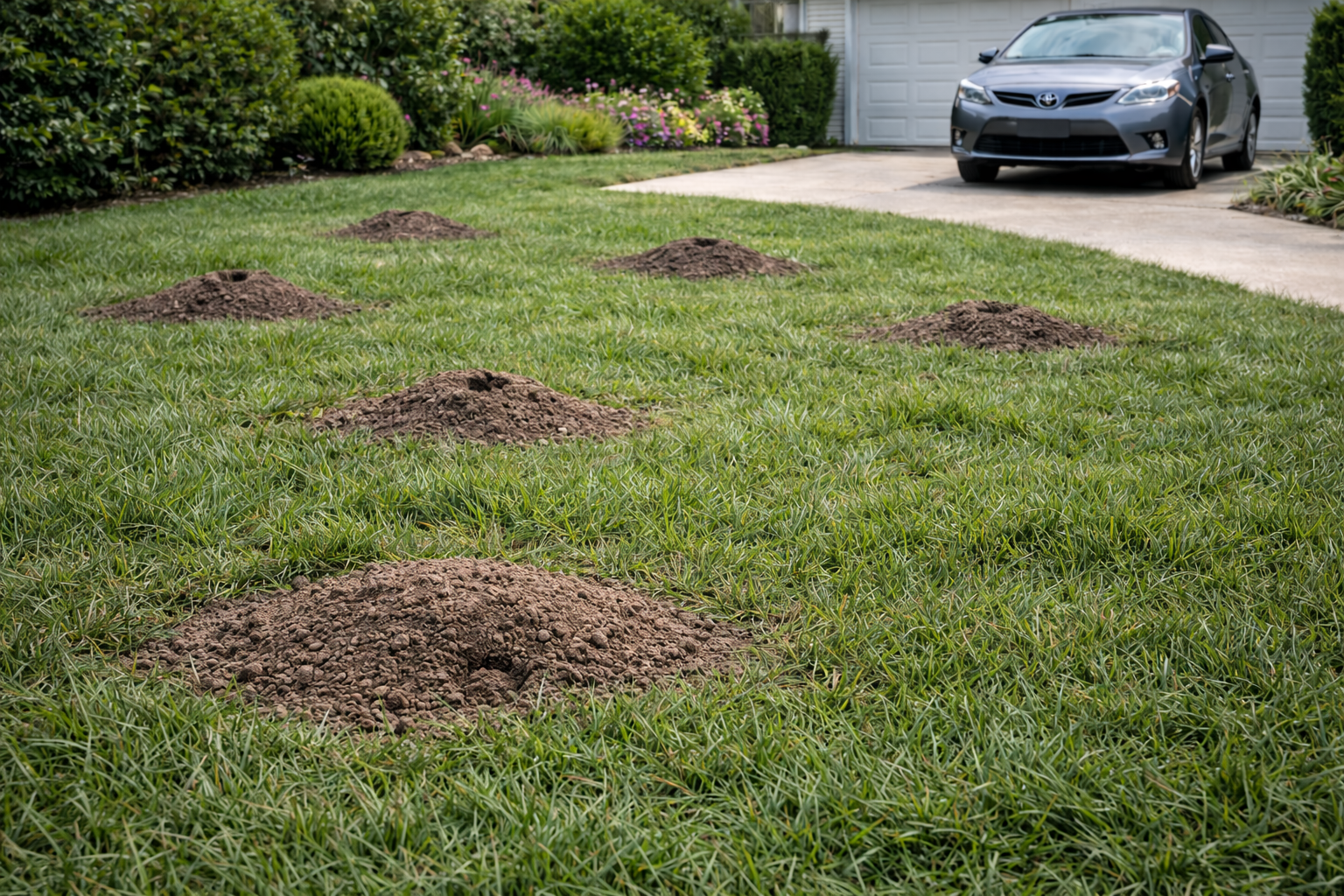
Gopher Activity in Santa Ana, CA

Santa Ana, the second-largest city in Orange County, sits in an area where gopher activity represents a persistent property management concern for homeowners and landscape professionals. The combination of the city's Mediterranean climate, extensive residential irrigation systems, and proximity to natural open spaces creates ideal conditions for pocket gopher populations to establish and thrive. Understanding gopher behavior and seasonal patterns in Santa Ana helps property owners recognize and respond to infestations before significant landscape damage occurs.

Why Santa Ana Has Significant Gopher Activity

Santa Ana's geographic and environmental characteristics create favorable conditions for pocket gopher populations. The city sits at relatively low elevation in the Santa Ana Valley, where alluvial soils deposited over millennia provide the soft, workable substrate that gophers prefer for tunnel construction. These soils, derived from runoff from the Santa Ana Mountains to the northeast, tend toward clay-loam composition with moderate to good moisture retention—exactly the type of earth that allows gophers to tunnel efficiently without excessive collapse or compaction.

The city's irrigation infrastructure amplifies gopher habitat suitability. Residential neighborhoods throughout Santa Ana depend on regular watering to maintain ornamental landscaping, grass, and vegetable gardens in a semi-arid climate that receives only about 11 inches of annual precipitation. This consistent subsurface moisture from drip lines, sprinkler systems, and garden watering keeps soil conditions favorable for gopher activity year-round, preventing the drying that might occur in purely native conditions.

Santa Ana's proximity to undeveloped areas and natural spaces also contributes to gopher populations. The foothills and open lands to the northeast and east of the city harbor native gopher colonies. As residential development has expanded, gophers from these source populations naturally colonize newly irrigated yards, finding abundant food and suitable burrowing conditions. The fragmented landscape of urban Santa Ana—with parks, greenways, and undeveloped parcels interspersed among residential neighborhoods—provides corridors for gopher movement and recolonization.

Common Gopher Species in Santa Ana

The Botta's pocket gopher (Thomomys bottae) represents the primary gopher species found throughout Santa Ana and greater Orange County. This species, named for the small external cheek pouches visible when stuffed with food, is perfectly adapted to Southern California's soil conditions and climate patterns. Adult Botta's pocket gophers typically measure 5 to 6 inches in body length, with an additional 1 to 2 inches of relatively short tail. Their fur ranges from light tan to dark brown, often reflecting the color of local soil—an adaptation that provides camouflage during brief periods when they venture above ground.

The species possesses distinctive anatomical features suited to burrowing life. Botta's pocket gophers have small eyes and ears that reduce the risk of dirt entry during tunneling. Their front feet feature long, powerful claws designed for excavation, and their lips close behind their incisor teeth, creating an effective seal that prevents soil from entering the mouth while carrying earth during burrow construction. These physical adaptations make Botta's pocket gophers highly efficient subterranean engineers, capable of constructing extensive tunnel networks that can span hundreds of feet in favorable habitat.

Within Santa Ana's diverse neighborhoods—from the older residential areas near downtown to newer developments toward the city's edges—Botta's pocket gophers occupy yards, parks, and open spaces indiscriminately. Their preference for loose, well-irrigated soil means they thrive equally in meticulously maintained residential gardens and in the less-disturbed soils of parks and greenways. Population density varies by neighborhood based on irrigation intensity, soil quality, and proximity to source populations, but most areas with established landscaping and regular watering can support gopher populations if environmental conditions remain suitable.

When Gopher Activity Peaks in Santa Ana

Gopher activity in Santa Ana follows predictable seasonal patterns shaped by the region's climate and the species' reproductive cycle. Late winter and early spring—from January through March—marks the primary breeding season for Botta's pocket gophers. During this period, male gophers increase their tunneling activity as they search for mates, creating new burrow systems and extending existing tunnel networks. This breeding behavior results in increased mound formation visible on lawns and landscaped areas, making gopher presence more obvious to property owners during early spring months.

Spring rains, while modest in Santa Ana's Mediterranean climate, stimulate increased gopher activity by raising soil moisture levels and promoting plant growth. Even light rainfall in February and March, typical of Santa Ana's winter precipitation pattern, can trigger increased feeding activity and burrow expansion. Young gophers born in spring require substantial food resources as they grow, prompting parent gophers to expand foraging territories and tunnel networks through April and May.

Summer presents a mixed activity period. The intense heat of inland Santa Ana neighborhoods can drive gophers deeper into soil where moisture persists, temporarily reducing surface mound activity. However, persistent irrigation to maintain summer landscaping provides subsurface moisture that keeps gophers active at depth. Many property owners first notice gopher damage in mid to late summer when newly enlarged tunnel systems cause visible settling in lawns and garden beds. Fall activity moderates as gophers prepare for winter, though populations remain established and active. Winter months show reduced but persistent gopher activity, particularly in irrigated landscapes where soil moisture and food remain available.

Signs of Gopher Damage in Santa Ana Yards

Santa Ana property owners should recognize several visible indicators of gopher presence and activity. The most obvious sign consists of fresh mounds of excavated soil appearing in lawns, landscape beds, and garden areas. Gopher mounds differ distinctly from other burrowing animal evidence—they typically measure 4 to 6 inches in diameter and feature a characteristic crescent or horseshoe shape when viewed from above. The mound's asymmetry results from the gopher pushing soil from a tunnel entrance at one side of the mound, creating a distinctive pattern that distinguishes gopher work from the more circular mounds produced by moles or the scattered soil of ground squirrel burrows.

Subsurface damage to irrigation systems represents another common gopher impact in Santa Ana's extensively irrigated residential landscapes. Gophers gnaw on plastic drip irrigation lines while foraging for roots and tender vegetation growing in soil surrounding the lines. This damage can cause significant water loss and system inefficiency. Property owners often notice reduced water pressure, soggy patches of yard with no visible water source, or dying plants despite adequate irrigation scheduling. Some Santa Ana residents discover irrigation damage only when receiving water bills significantly higher than normal, reflecting the waste from damaged underground lines.

Plant damage provides additional evidence of gopher activity. Gophers consume roots and bulbs from below ground, sometimes killing established plants or preventing vegetable crops from establishing properly. In Santa Ana gardens, gophers particularly target root vegetables, planted bulbs, and young shrub root systems. Above ground, evidence of "bite marks" on plant stems occurring at soil level—where gophers have gnawed bark or foliage while accessing plants from their tunnel systems—indicates active feeding. Wilting plants in otherwise well-watered areas often signal root damage from gopher feeding or tunnel construction disrupting the soil around plant roots.

Landscape Considerations for Santa Ana Properties

Santa Ana's dominant landscaping style—reflecting both the region's Hispanic cultural traditions and California's water-conscious aesthetic—creates variable vulnerability to gopher damage depending on specific plant choices and hardscape integration. Many Santa Ana properties feature Mediterranean-style landscapes incorporating native California plants, decorative rock, and drought-tolerant groundcovers. These landscapes, when properly designed with hardscape features like pavers, stone pathways, and rock mulch, can present somewhat greater resistance to gopher impacts than traditional lawn-and-shrub designs, since gophers tunnel more readily through soft soil than through compacted stone or hardscape.

However, ornamental plantings common to Santa Ana yards demonstrate high vulnerability to gopher damage. Pittosporum, liquidambar, flowering plums, and other landscape trees and shrubs frequently planted in Santa Ana have tender root systems attractive to gophers. Vegetable gardens, popular in Santa Ana's diverse neighborhoods, represent particularly vulnerable features—gophers readily damage tomato plants, squash, carrots, and other food crops by consuming roots or severing plants at soil level. Native plant landscapes, increasingly promoted for water conservation in Santa Ana, often attract gophers by providing natural food sources that supplement ornamental plantings.

The integration of drip irrigation—nearly universal in Santa Ana due to water conservation requirements and the semi-arid climate—creates dual impacts. While irrigation enables the lush landscaping that many Santa Ana residents desire, it simultaneously maintains the soil moisture conditions that keep gopher populations active and well-fed. Properties with extensive lawn areas face particular gopher pressure, as mowed turf provides easy access to root systems and allows gophers to move above ground briefly when constructing new mounds. Santa Ana property owners managing gopher-prone landscapes often discover that strategic hardscaping, reduced lawn area, and careful plant selection can minimize future damage, though complete gopher exclusion remains impractical in most residential contexts.