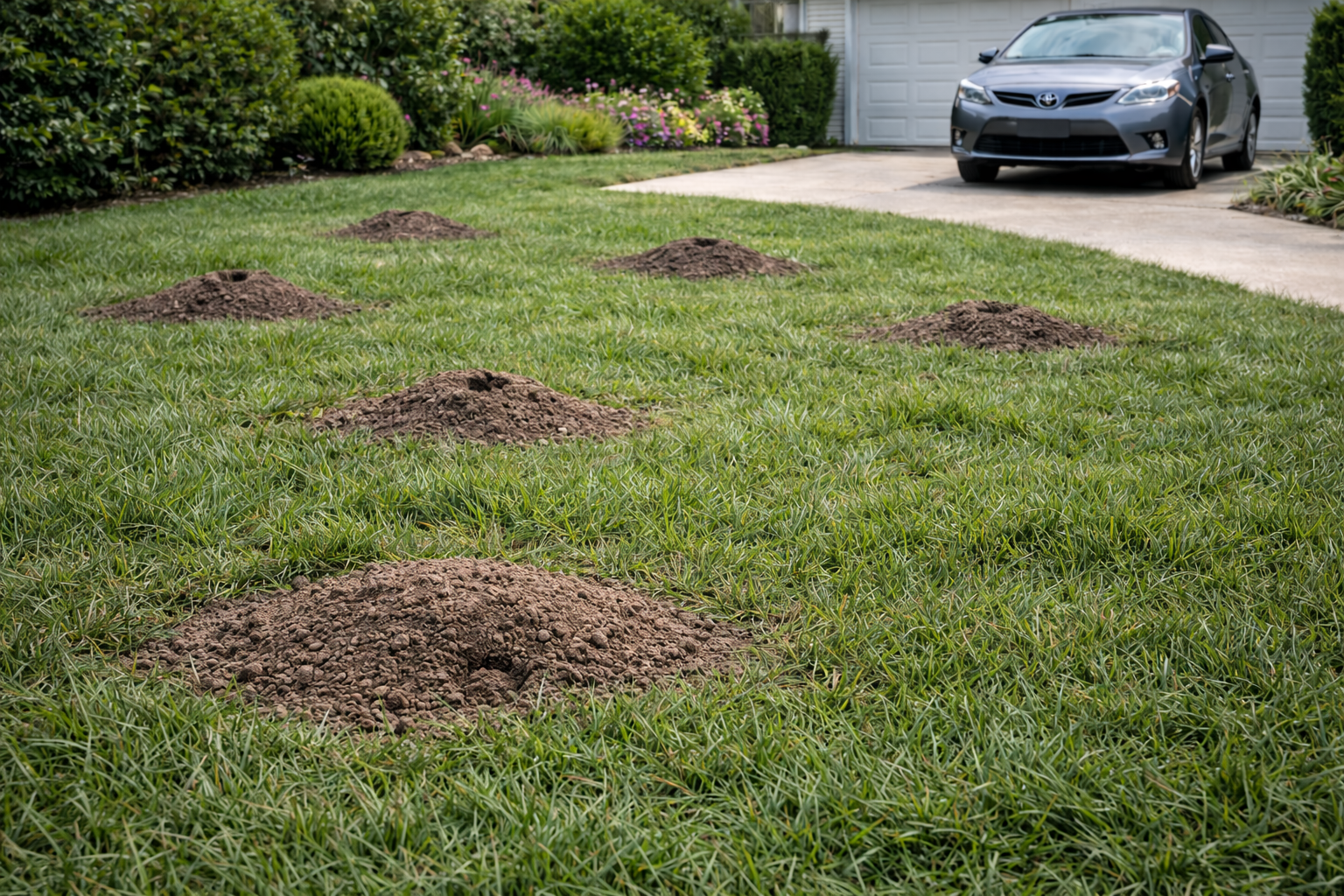
Gopher Activity in Santa Monica, CA

Gophers are a persistent presence across Santa Monica's residential neighborhoods and landscaped properties. The combination of coastal climate, year-round mild temperatures, and extensive irrigation systems creates ideal conditions for gopher populations to thrive. Property owners throughout the city regularly encounter evidence of gopher tunneling, from characteristic mounding patterns in lawns to damage affecting foundation plantings and landscape irrigation.

Why Santa Monica Has Significant Gopher Activity

Santa Monica's geographical and environmental characteristics make it particularly conducive to gopher colonization. The city sits within the Los Angeles coastal plain, where underlying soils are predominantly composed of sandy loam and clay loam—soil types that are relatively easy for burrowing rodents to excavate and maintain. These soils, formed from alluvial deposits and weathered marine sediments, lack the dense clay composition found in some inland areas, meaning gophers expend less energy creating and maintaining tunnel systems.

The Mediterranean climate of Santa Monica, characterized by mild winters averaging 50–60°F and cool summers rarely exceeding 75°F, allows gophers to remain active throughout the year. Unlike regions with harsh winters or extended dry seasons, Santa Monica's conditions support consistent vegetation growth and soil moisture levels. The city receives most of its annual precipitation between November and March, with rainfall totaling approximately 12–14 inches annually—enough to maintain soil workability for tunneling while remaining sparse enough to concentrate gopher activity around irrigated areas.

Santa Monica's extensive landscaping infrastructure amplifies gopher attractiveness. Residential properties feature abundant ornamental plantings, vegetable gardens, and maintained turf—all attractive food sources for gophers. Automated irrigation systems, common throughout neighborhoods from Ocean Park to Brentwood Heights, keep soil consistently moist and promote the growth of tender plant roots that gophers prefer. Additionally, Santa Monica's proximity to natural areas, including Temescal Canyon Park and the surrounding Santa Monica Mountains foothills, means gopher populations can easily disperse into residential zones from adjacent wild habitat.

Common Gopher Species in Santa Monica

The primary gopher species inhabiting Santa Monica is the Botta's pocket gopher (Thomomys bottae). This medium-sized rodent typically measures 5–7 inches in body length, with an additional 1–2 inches of short, sparsely haired tail. Botta's pocket gophers display reddish-brown to dark brown fur, with individuals in coastal Southern California often exhibiting darker coloration than populations in interior regions. They derive their common name "pocket gopher" from distinctive fur-lined cheek pouches used for transporting food and nesting materials.

Physical adaptations make Botta's pocket gophers exceptionally effective burrowers. Their front feet possess long, curved claws specifically specialized for digging. The head is relatively flattened and wedge-shaped, allowing efficient tunneling forward. Their eyes and ears are reduced in size, an adaptation to a primarily subterranean lifestyle where visual and auditory cues matter less than tactile sensations. Botta's pocket gophers possess continuously growing incisors, similar to other rodents, which they use to gnaw through roots and hard vegetation.

Throughout Santa Monica, Botta's pocket gophers inhabit lawns, ornamental gardens, and undeveloped coastal scrub areas. They create extensive burrow networks, sometimes spanning thousands of square feet, with multiple entrances and food storage chambers. These gophers are largely solitary outside the breeding season, with individual burrow systems often occupied by a single animal. Their presence in Santa Monica remains consistent year-round, though activity levels fluctuate seasonally in response to breeding cycles and vegetation growth patterns.

When Gopher Activity Peaks in Santa Monica

Gopher activity in Santa Monica demonstrates distinct seasonal patterns tied to breeding cycles and environmental conditions. The primary breeding season occurs between January and March, when increasing day length and mild temperatures trigger reproductive behavior. During this period, males expand their tunneling activities in search of females, resulting in increased mound formation and surface evidence of gopher presence. Property owners frequently notice fresh mounding activity in late winter and early spring as males actively excavate new tunnel sections.

Secondary activity peaks coincide with Santa Monica's rainy season, which typically runs from November through March. Increased soil moisture resulting from winter and spring rainfall creates ideal conditions for tunneling and encourages the growth of new vegetation that attracts gophers. Gophers do not hibernate and continue feeding throughout winter, but they intensify burrowing efforts when soils are neither waterlogged nor overly compacted.

Summer and early fall present comparatively lower activity periods in Santa Monica. The dry season, extending from April through October, creates harder, drier soils that demand greater energy expenditure for tunneling. However, irrigation-dependent landscapes maintain sufficient moisture to support gopher populations even during dry months. In highly irrigated neighborhoods such as those near the Palisades Park area or around the downtown beachfront districts, gopher activity may remain relatively consistent throughout the year. By autumn, as temperatures cool and autumn rains arrive, activity levels begin increasing again in preparation for winter breeding season.

Signs of Gopher Damage in Santa Monica Yards

Gopher presence in Santa Monica properties manifests through multiple distinctive damage patterns. The most visible indicator is fresh mounding—irregular piles of soil pushed to the surface during tunnel excavation. These mounds typically measure 4–8 inches in diameter and vary from dome-shaped to crescent-shaped configurations. In Santa Monica's sandy loam soils, mounds often appear lighter in color than surrounding turf due to exposure of subsurface soil layers. Property owners should distinguish gopher mounds from mole activity; gopher mounds are typically more loosely constructed and less symmetrical than the ridged tunneling patterns characteristic of moles.

Gopher burrow entrances appear as roughly 1.5-inch diameter holes in lawns, garden beds, and around landscape bases. Unlike mole tunnels, which create surface ridges, gopher burrows are discrete openings leading downward into underground passages. Multiple entrances within a small area often indicate a single gopher's burrow network rather than separate colonies. Residents frequently observe these holes near drip irrigation lines and beneath moisture-loving plants such as the fuchsias and camellias common in Santa Monica gardens.

Landscape damage extends beyond mounding. Gophers clip ornamental plantings and vegetables below soil level, accessing tender root systems. Young trees and shrubs may exhibit sudden wilting or death with no visible above-ground cause—a sign of root girdling or consumption by gophers. In Santa Monica gardens featuring native California plants, gophers frequently damage drought-tolerant selections like California buckwheat and sage species by consuming their roots. Irrigation systems also suffer damage when gophers tunnel beneath drip lines or mainline laterals, puncturing tubing and disrupting water distribution across landscapes dependent on consistent irrigation in Santa Monica's dry season.

Landscape Considerations for Santa Monica Properties

Santa Monica's distinctive landscape aesthetic shapes interactions between gopher activity and residential property management. Coastal properties frequently feature succulent plantings, Mediterranean-style hardscaping with stone or gravel, and native California coastal sage scrub species. These design elements, increasingly popular in neighborhoods from Brentwood to Ocean Park, actually offer some resistance to gopher damage when properly implemented. Hardscaped areas with decomposed granite or flagstone provide barriers to burrowing and reduce accessible soft soil for tunnel construction. Conversely, traditional Santa Monica lawns—still prevalent in older neighborhoods and estate properties—provide ideal gopher habitat with consistent irrigation and uniform, pest-free vegetation.

Ornamental plant selection significantly influences gopher damage risk. Santa Monica properties typically feature Mediterranean and California-native species adapted to coastal conditions. Water-wise selections such as California poppy, ceanothus, and toyon species demonstrate moderate vulnerability to gopher root damage. More susceptible plantings include tender perennials like lavender and rosemary commonly used for screening and ornamental purposes. Vegetables and fruit trees—including citrus species still found in older Santa Monica properties—attract intensive gopher feeding, as the nutrients concentrated in roots and tubers make them preferred food sources compared to mature woody vegetation.

Irrigation design directly correlates with gopher activity levels. Properties utilizing drip irrigation, common throughout Santa Monica due to water conservation emphasis and consistent dry season conditions, create concentrated zones of soil moisture that concentrate gopher populations. Underground irrigation laterals become targets for gopher tunneling when seeking areas of consistent moisture. Above-ground irrigation solutions, though less aesthetically integrated into Santa Monica's landscape aesthetic, reduce gopher incentive to burrow in specific patterns. Understanding these landscape-gopher interactions helps Santa Monica property owners design systems that minimize damage while maintaining the beautiful, water-appropriate properties the coastal city is known for.