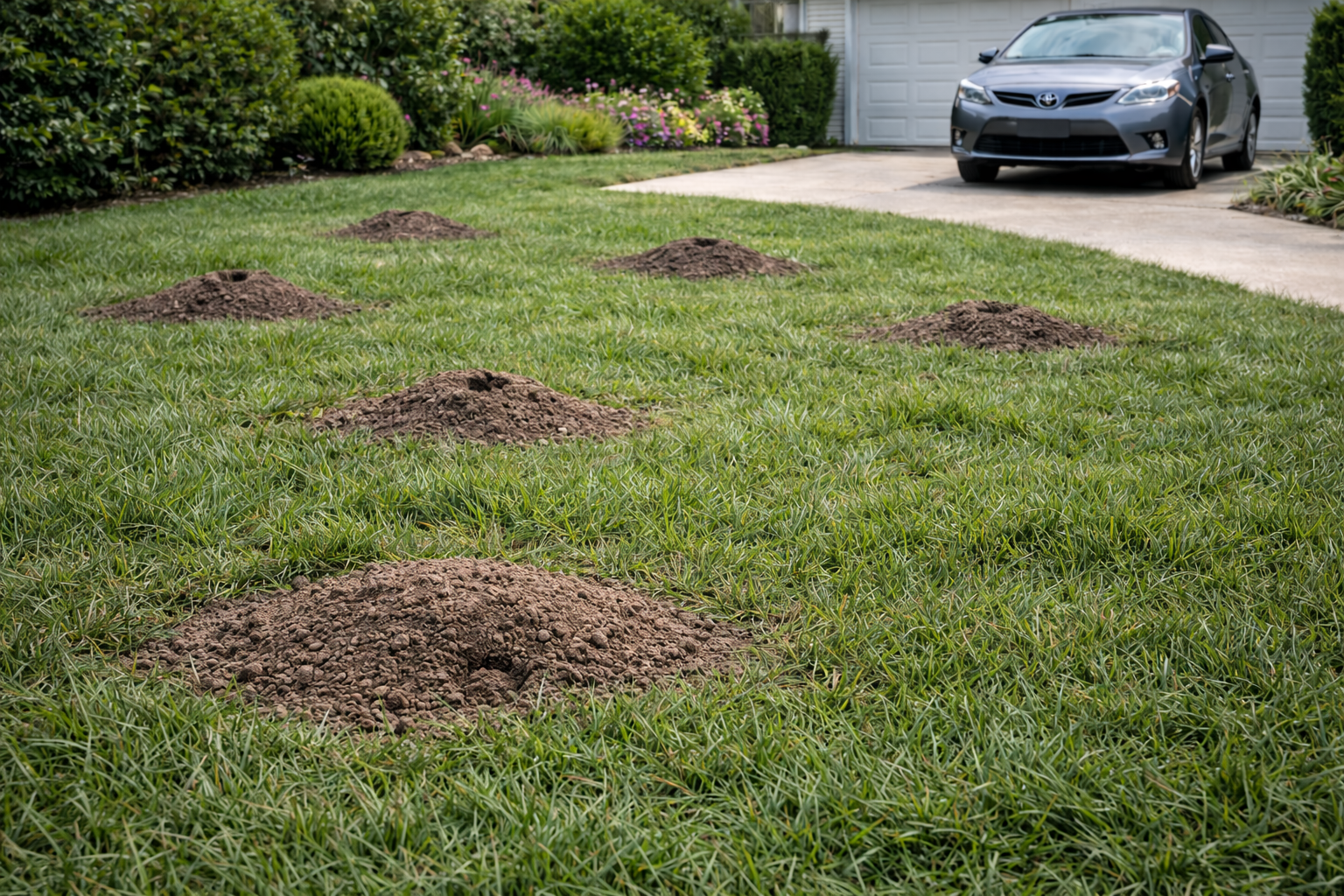
Gopher Activity in Seal Beach, CA
Seal Beach, located in northwestern Orange County at the Los Angeles County border, experiences notable gopher activity throughout the year. The small coastal community's combination of sandy loam soils, established residential neighborhoods with irrigated landscapes, and proximity to natural open spaces creates an environment favorable for gopher populations. Understanding gopher behavior and activity patterns in this specific region helps property owners recognize and respond to signs of infestation.
Why Seal Beach Has Significant Gopher Activity
Seal Beach's geographic and environmental characteristics make it particularly susceptible to gopher colonization. The city sits on coastal plains with sandy loam and silty loam soils that are relatively easy for gophers to excavate, compared to harder clay-heavy soils found in inland areas. These soil types, combined with the area's moderate coastal climate, allow gophers to remain active throughout most of the year without the dormancy periods experienced in colder regions.
The residential landscape of Seal Beach heavily features irrigated gardens, vegetable plots, and ornamental plantings typical of Southern California coastal living. Properties often include established root systems from trees and shrubs planted decades ago, which provide both food sources and structural stability for gopher burrow systems. Additionally, Seal Beach's proximity to the Seal Beach Wildlife Reserve and natural riparian areas along the San Gabriel River creates a reservoir of wild gopher populations that periodically migrate into developed neighborhoods. The year-round availability of water through landscape irrigation eliminates the seasonal water scarcity that might otherwise limit population growth, making suburban Seal Beach an ideal habitat compared to the drier inland regions of Orange County.
Common Gopher Species in Seal Beach
The Botta's pocket gopher (Thomomys bottae) is the primary gopher species affecting Seal Beach properties. This species derives its common name from the external cheek pouches used to transport food and nesting materials. Adult Botta's pocket gophers typically measure 5 to 7 inches in body length, with an additional 1.5 to 2 inches of tail. Their fur ranges from brown to nearly black, and they possess small eyes, external ear flaps, and powerful front legs equipped with long claws designed specifically for digging.
Botta's pocket gophers are solitary creatures except during brief breeding periods, and each individual typically maintains a burrow system spanning 200 to 500 square feet in productive habitat. In Seal Beach, these gophers occupy both undeveloped natural areas and residential yards, with individuals sometimes establishing territory in the same neighborhood for extended periods. The species is primarily herbivorous, feeding on roots, bulbs, grasses, clover, and cultivated vegetables. Botta's pocket gophers in coastal Orange County populations tend to be slightly smaller than inland subspecies, a variation attributed to the more consistent food availability and moderate temperatures in coastal environments. They are most active during morning and evening hours, though they may tunnel throughout the day, particularly after irrigation or rainfall when soil moisture facilitates digging.
When Gopher Activity Peaks in Seal Beach
Gopher activity in Seal Beach follows seasonal patterns linked to breeding cycles and moisture availability. The primary breeding season extends from January through March, during which males actively search for mates and may expand their burrow systems considerably. This period coincides with Seal Beach's rainy season, when winter storms increase soil moisture and make excavation easier. Property owners frequently notice increased mound activity during these months, particularly following periods of rainfall.
Spring activity, from March through May, remains elevated as juvenile gophers disperse from maternal burrows to establish independent territories. The warming temperatures and lengthening daylight hours of spring trigger increased foraging activity and territory expansion. Summer months, June through August, see relatively sustained activity as gophers maintain established burrow systems and take advantage of lush, irrigated landscapes. Late summer and fall activity may increase again if significant summer irrigation promotes plant growth and root development. Winter activity, while less intense than spring breeding season, continues year-round in Seal Beach due to the mild coastal climate. Ground temperatures rarely drop below 50 degrees Fahrenheit, allowing gophers to remain active even during cooler months. Properties with automatic irrigation systems or those that maintain green landscapes throughout the year experience consistently high gopher pressure across all seasons.
Signs of Gopher Damage in Seal Beach Yards
Gopher activity becomes visible through several characteristic signs that property owners in Seal Beach can recognize. The most obvious indicator is the presence of fresh mounds—conical piles of excavated soil typically 4 to 6 inches tall and 8 to 12 inches in diameter. In Seal Beach's sandy soils, these mounds are often darker than surrounding soil due to moisture content and may appear loosely packed compared to mounds in clay-heavy regions. Gophers create two types of mounds: "push-ups" formed by forcing soil straight upward from underground tunnels, and partially collapsed tunnels where gophers have cleared subsurface passages.
Beyond mound creation, gophers cause damage through their feeding activities and tunnel networks. Surface subsidence—areas where the ground appears slightly sunken or collapsed—indicates shallow tunnel systems beneath. In Seal Beach's coastal gardens, this damage frequently affects raised beds, vegetable gardens, and areas around fruit trees. Plant wilting or sudden death, particularly in vegetables and young ornamentals, often results from gophers severing root systems or consuming roots below the soil surface. Damage to irrigation lines is also common in Seal Beach yards, as gophers tunnel through landscape and follow water sources. Property owners sometimes discover broken drip lines, damaged micro-sprinklers, or compromised irrigation tubing as evidence of gopher tunneling activity. In established neighborhoods like Old Seal Beach and areas with mature landscaping near the Seal Beach Country Club, gophers frequently target bark and roots of established trees and shrubs, creating conditions that weaken plants over time.
Landscape Considerations for Seal Beach Properties
Seal Beach's coastal aesthetic and climate preferences create specific landscape vulnerabilities to gopher damage. Many properties feature Mediterranean-style gardens with drought-tolerant plantings, herb gardens containing thyme, oregano, and sage, and vegetable gardens that take advantage of the region's extended growing season. Gophers show particular preference for these cultivated plants compared to native coastal sage scrub species naturally found in the Seal Beach Wildlife Reserve. Root crops—carrots, beets, and turnips—face severe predation, as do newly planted trees and shrubs before they establish deep root systems.
Native and adapted plants common to Seal Beach landscaping show varying susceptibility. California poppy, desert marigold, and coastal buckwheat experience minimal gopher damage compared to ornamental onions, tulips, and sweet alyssum, which gophers actively target for bulbs and roots. Mature established trees like coast live oaks and California pepper trees suffer less damage than newly planted specimens, though gophers occasionally girdle roots of larger trees in sandy soils. Properties that rely on softscape design—emphasizing plant material and irrigated gardens—experience more significant gopher pressure than those with substantial hardscape elements including patios, walkways, and rock features. The balance between maintaining Seal Beach's characteristic lush coastal landscape and managing gopher vulnerability represents a key consideration for local property managers and homeowners seeking to protect their investments.
For professional gopher control in Southern California, visit Rodent Guys — serving Los Angeles, Orange, San Bernardino, and Riverside counties.