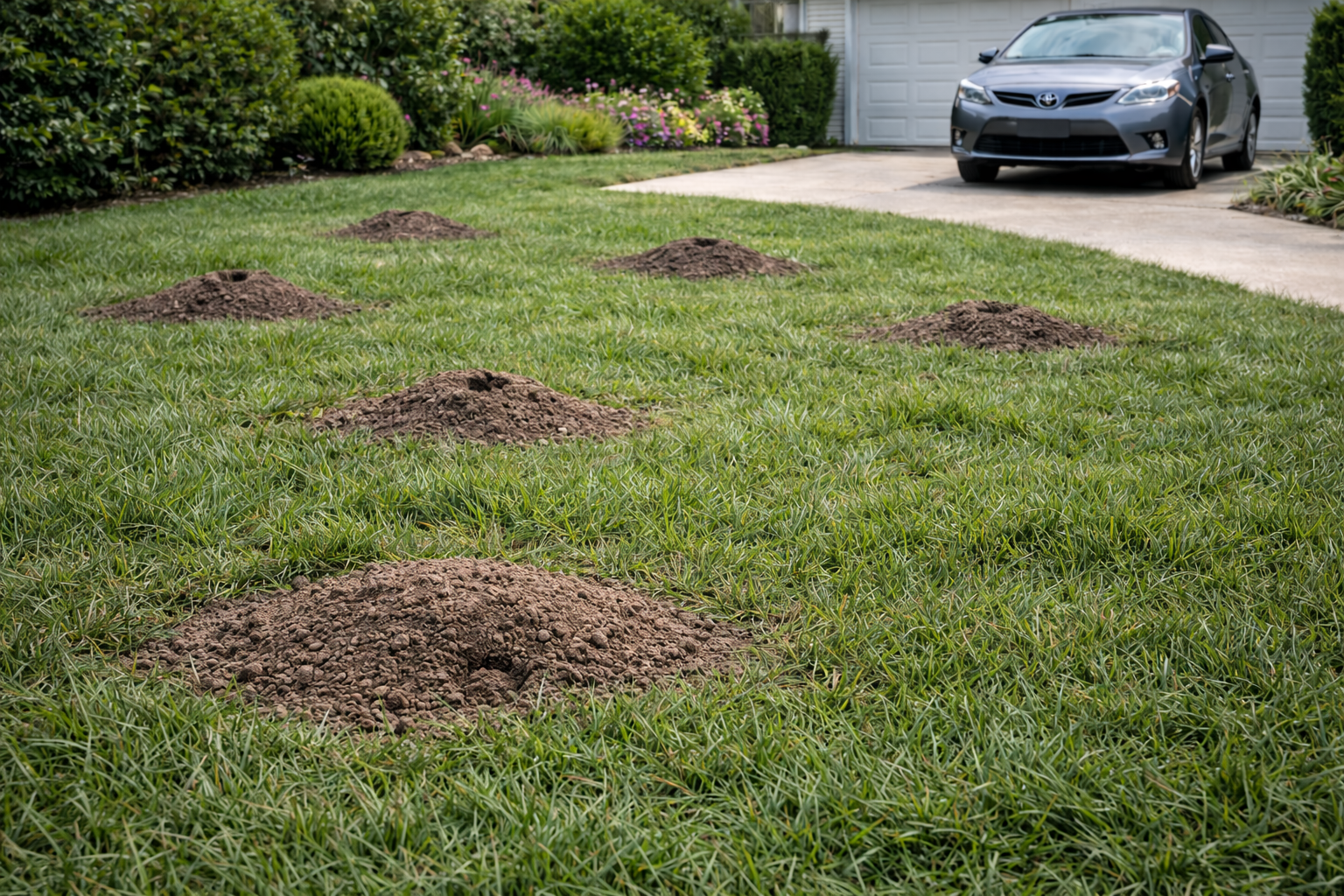
Gopher Activity in Sherman Oaks, CA
Gophers are a persistent presence throughout Sherman Oaks, the established residential and commercial neighborhood in the San Fernando Valley region of Los Angeles. Homeowners and property managers in this area frequently encounter evidence of gopher tunneling systems that can compromise both ornamental landscaping and functional yard infrastructure. Understanding the behavior and ecology of gophers in Sherman Oaks helps residents recognize activity patterns and assess the scope of potential property impact.
Why Sherman Oaks Has Significant Gopher Activity
Sherman Oaks experiences ideal conditions for gopher populations due to several environmental and geographical factors. The neighborhood sits in the San Fernando Valley with elevation ranging from approximately 500 to 1,200 feet above sea level. The valley floor, where much of Sherman Oaks residential development occurs, consists of alluvial soils deposited by the Tujunga Wash and other drainage systems—these soils are relatively soft and easy to tunnel through compared to compacted clay or hardpan substrates found in other parts of Los Angeles County.
The region's Mediterranean climate brings concentrated rainfall primarily between November and March, creating seasonally moist soil conditions that gophers find favorable for tunneling and foraging activities. Irrigation systems installed throughout Sherman Oaks residential properties maintain supplemental moisture year-round, extending the period during which soil remains workable for gopher excavation. Additionally, Sherman Oaks borders the Santa Monica Mountains to the north and maintains connections to natural habitat corridors, allowing gopher populations to persist and migrate through both developed and undeveloped areas. The combination of suitable substrate, available moisture, abundant vegetation from landscaping, and proximity to wild areas makes Sherman Oaks consistently attractive to gopher populations.
Common Gopher Species in Sherman Oaks
The primary gopher species found throughout Sherman Oaks is the Botta's pocket gopher, scientifically identified as Thomomys bottae. This species represents one of the most common burrowing rodents across California and has well-established populations throughout Los Angeles County and the San Fernando Valley region. Botta's pocket gophers are medium-sized rodents, typically measuring 5 to 7 inches in body length with an additional 1 to 2 inches of tail. They possess fur coloration ranging from dark brown to reddish-brown, though Sherman Oaks populations often display the darker brown variants consistent with valley populations.
These gophers have distinctive physical adaptations for a subterranean lifestyle, including small eyes, small rounded ears, and extremely powerful front legs with elongated claws specifically designed for excavation. The term "pocket gopher" derives from fur-lined cheek pouches that the animal uses to carry food and nesting materials through tunnel systems. Botta's pocket gophers are solitary except during breeding season, with individual animals maintaining and defending personal territory systems that can extend across thousands of square feet. In Sherman Oaks yards, individual gophers typically occupy spaces ranging from 200 to 2,000 square feet depending on food availability and soil conditions. Sherman Oaks' abundant horticultural plantings and irrigated landscapes provide consistent food sources that allow gopher populations to achieve relatively high densities compared to non-urbanized habitat.
When Gopher Activity Peaks in Sherman Oaks
Gopher activity patterns in Sherman Oaks follow distinct seasonal rhythms tied to the region's climate and the animals' reproductive biology. Peak activity occurs during the breeding season from January through March, when male gophers actively search for mates and expand their tunnel systems beyond normal foraging patterns. During this period, homeowners frequently notice increased mound formation and fresh soil disturbance in their yards as animals travel between territories and establish new burrow systems.
The secondary activity peak follows the spring rainfall pattern typical of the San Fernando Valley, typically occurring in February and March when soil moisture reaches optimal levels for tunneling. Freshly moistened soil is easier to excavate, and increased plant growth stimulated by spring moisture provides abundant food resources. Spring rains often prompt visible burrow construction that homeowners notice upon yard inspection after several days of rainfall. Summer months bring reduced activity as soil dries and plants mature, though Sherman Oaks' irrigated landscapes maintain sufficient moisture and food availability to prevent complete dormancy. Fall activity gradually increases again as temperatures cool and soil moisture from occasional autumn rainfall improves digging conditions. Winter months, particularly December through February, represent the most visible and most problematic period for gopher activity in Sherman Oaks residential yards.
Signs of Gopher Damage in Sherman Oaks Yards
Property owners in Sherman Oaks can identify active gopher presence through several distinctive signs and damage patterns. The most recognizable indicator is the characteristic crescent or horseshoe-shaped mound of excavated soil that gophers create when opening new tunnel sections or clearing blockages from existing burrows. These mounds typically measure 6 to 12 inches in diameter and stand 2 to 4 inches above ground level. Mounds in Sherman Oaks yards often appear in clusters within preferred feeding areas, frequently near vegetable gardens, foundation plantings, or newly irrigated landscape beds.
Beyond mound formation, gophers damage underground irrigation systems by tunneling directly through drip lines, soaker hoses, and buried PVC pipes, creating water leaks that waste water and create wet spots in yards. Subsurface plant damage occurs as gophers consume roots of established trees, shrubs, and perennials from underneath the soil surface, causing plants to suddenly wilt or die despite adequate surface watering. Gophers particularly target succulent roots and tubers, making vegetable gardens and newly planted ornamentals vulnerable to rapid damage. Soft collapse or settling of previously firm soil in localized yard areas indicates extensive burrow systems directly beneath the surface. Sherman Oaks properties with visible gopher activity often show a combination of these signs, with active tunnel systems potentially affecting multiple areas of a single yard simultaneously.
Landscape Considerations for Sherman Oaks Properties
Sherman Oaks residential landscaping typically reflects Mediterranean and California native design traditions, incorporating drought-tolerant plantings, decorative rock mulch, and mixed softscape and hardscape elements. The neighborhood contains numerous mature specimens of coast live oak, California pepper trees, and ornamental olives established in older yards, alongside more contemporary plantings of California buckwheat, manzanita, and sage species. These native and adapted plantings require less supplemental water than traditional turf lawns, yet their deeper root systems make them vulnerable to gopher predation when tunnel systems undermine root zones.
Properties with extensive ornamental planting beds and vegetable gardens face the highest gopher pressure, particularly in yards where irrigation systems maintain consistent soil moisture. Drip irrigation and soaker systems, extremely common throughout Sherman Oaks due to water conservation practices and landscape designer preferences, create ideal tunnel conditions by maintaining workable soil moisture while delivering concentrated food resources directly to plant root zones. Gophers readily exploit these favorable conditions. Conversely, properties with extensive hardscape elements—patios, pathways, decorative stone work—often experience reduced gopher activity since these features reduce suitable burrowing habitat and digging efficiency. Sherman Oaks homeowners implementing landscape designs that incorporate strategic hardscape placement and reducing supplemental irrigation in vulnerable areas can achieve measurable reductions in gopher attraction and activity compared to properties dominated by continuous softscape elements and high irrigation volumes.
For professional gopher control in Southern California, visit Rodent Guys — serving Los Angeles, Orange, San Bernardino, and Riverside counties.