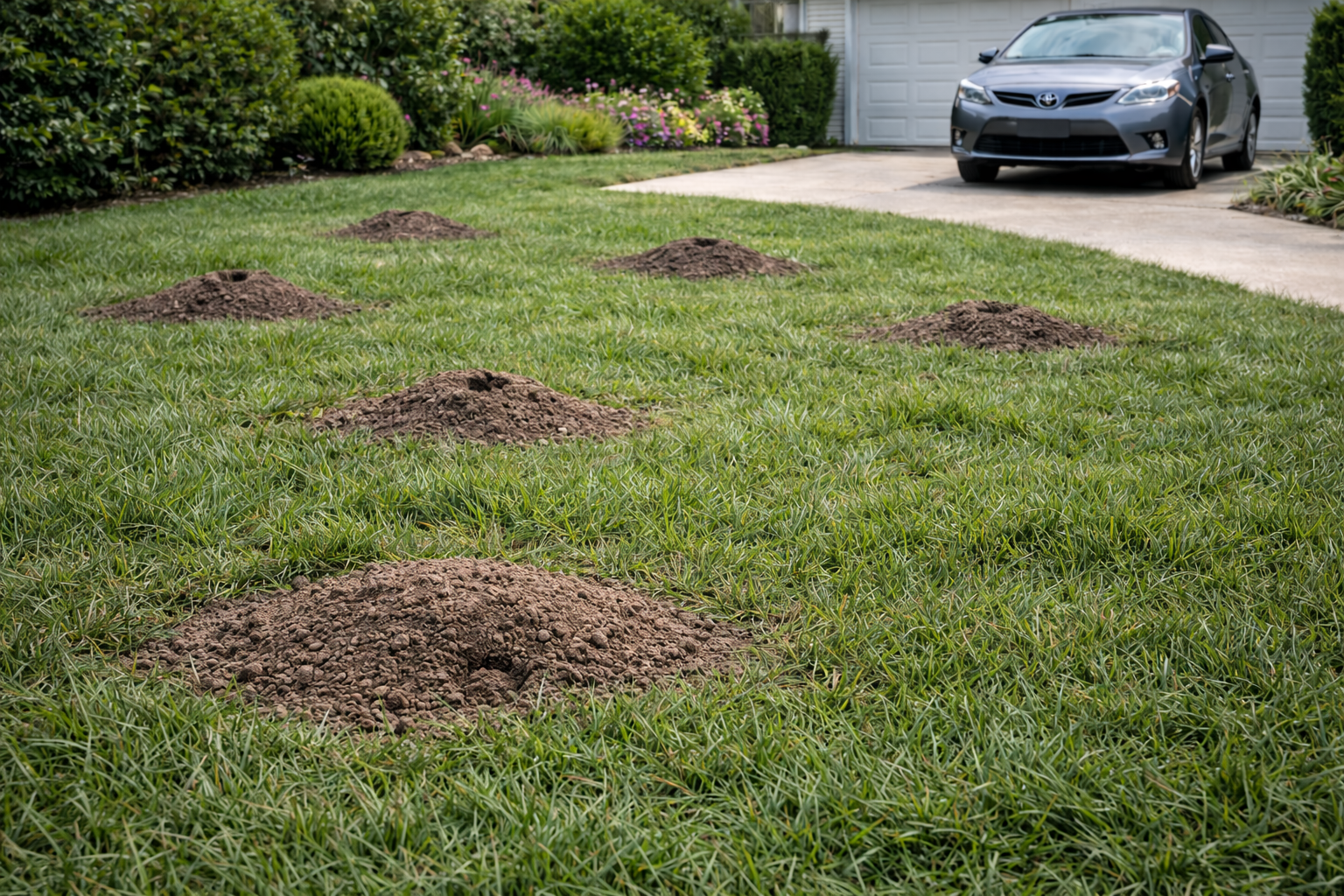
Gopher Activity in South El Monte, CA

South El Monte, located in Los Angeles County's San Gabriel Valley, experiences persistent gopher activity due to its unique combination of alluvial soils, extensive irrigation systems, and proximity to natural habitats. Residents in this small community frequently encounter evidence of burrowing pests, particularly during spring and early summer months. Understanding the ecological and environmental factors that support gopher populations helps property owners recognize and respond to infestations effectively.

Why South El Monte Has Significant Gopher Activity

The geographic and soil composition of South El Monte creates ideal conditions for gopher populations to thrive year-round. The community sits within the San Gabriel Valley's flood plain, characterized by alluvial deposits that are relatively soft and easy for pocket gophers to excavate. These sedimentary soils, transported by the San Gabriel River over millennia, provide minimal resistance to burrowing and allow gophers to construct extensive tunnel networks with reduced energy expenditure. The consistency and depth of these soils mean that burrow systems can extend several feet underground without encountering bedrock or compacted clay layers that would impede tunneling.

Irrigation infrastructure throughout South El Monte substantially increases gopher habitat suitability. Most residential properties, parks, and agricultural remnants in the area rely on municipal water systems and individual irrigation to maintain landscaping, creating moisture-rich environments that gophers prefer. The combination of loose soil and consistent water availability attracts and sustains larger gopher populations than would naturally exist in unirrigated terrain. Additionally, South El Monte's position near the foothills of the San Gabriel Mountains and proximity to natural riparian corridors along the San Gabriel River means that wild gopher populations continuously migrate into residential and developed areas, ensuring consistent pest pressure on local properties.

Common Gopher Species in South El Monte

Botta's pocket gopher, scientifically designated Thomomys bottae, is the dominant gopher species throughout South El Monte and the broader San Gabriel Valley region. This species is medium-sized, typically measuring six to eight inches in body length, with small eyes, reduced ear pinnae, and powerful forelimbs equipped with elongated claws specialized for excavation. Botta's pocket gophers possess externally opening cheek pouches that extend from the mouth to the shoulders, used for transporting soil and vegetation during tunnel construction and foraging.

The coloration of Botta's pocket gophers in South El Monte generally ranges from tan to dark brown, with regional variation influenced by local soil composition. Some populations exhibit reddish-brown hues, particularly those inhabiting areas with iron oxide-rich soils. These gophers are solitary, territorial animals except during brief mating periods, meaning that each visible mound typically represents activity from a single individual rather than a colony. South El Monte's warm winters allow Botta's pocket gophers to remain active throughout the year, unlike populations in colder regions that may reduce surface activity during winter months. The species feeds primarily on underground plant parts—roots, bulbs, and tubers—making landscaped properties particularly vulnerable to damage.

When Gopher Activity Peaks in South El Monte

Gopher activity in South El Monte follows seasonal patterns tied to breeding cycles and moisture availability. The primary breeding season extends from January through March, during which males actively search for females and create extensive tunnel networks to establish territories. This period typically corresponds with increased mound-building activity as gophers excavate new burrows and push soil to the surface at higher frequencies than during other seasons.

Spring rainfall, though variable in the San Gabriel Valley, triggers additional gopher activity as soil moisture increases and plant growth accelerates. Even modest precipitation events—common in March and April—stimulate root and bulb development, providing abundant food sources that encourage gophers to expand their foraging tunnels. By late spring and early summer, established breeding populations produce juveniles that must disperse and establish their own territories, creating a secondary wave of surface activity visible in yard mounds and tunnel damage. Summer activity typically diminishes as temperatures rise and soil moisture decreases in unirrigated areas, though properties with consistent irrigation maintain year-round gopher presence. Fall months show variable activity depending on late-season moisture; October and November can bring increased burrowing if autumn rains occur.

Signs of Gopher Damage in South El Monte Yards

Gopher activity manifests through several distinctive signs that property owners should recognize. The most obvious evidence is the presence of mounds—roughly conical piles of loose soil pushed to the surface during tunnel maintenance. Mounds in South El Monte typically range from four to twelve inches in height and eight to fifteen inches in diameter. Unlike mole mounds, which often feature a central hole, gopher mounds are typically plugged with soil. Fresh mounds appear darker than surrounding soil due to moisture content and lack of weathering, making recent activity easily distinguishable from older disturbance.

Subsurface damage becomes apparent through settling depressions in yards and gardens where extensive tunnel networks have collapsed. Irrigation lines are particularly vulnerable; gophers often burrow along moisture-rich areas where water pipes are installed, and their activities can rupture irrigation components, leading to water waste and uneven landscape watering. Root damage to desirable plants occurs as gophers harvest underground plant parts; trees and shrubs may suddenly wilt or display yellowing foliage when gophers sever significant roots. Vegetable gardens suffer dramatic damage, with entire crops of underground vegetables disappearing overnight as gophers harvest bulbs, roots, and tubers. Surface vegetation may show signs of clipping near soil level where gophers drag plants into burrow entrances.

Landscape Considerations for South El Monte Properties

South El Monte's landscape character reflects both its agricultural heritage and suburban development patterns. Many properties feature traditional Southern California residential landscaping with mixed ornamental trees, shrubs, and turf areas, supplemented by vegetable gardens and fruit trees in backyards. Native San Gabriel Valley vegetation historically included California live oak, California sycamore, and riparian species, but contemporary residential landscapes emphasize Mediterranean and subtropical plants suited to the local climate—crape myrtles, photinia, privet, and non-native shade trees such as coast live oak specimens.

Certain plants commonly used in South El Monte landscaping are particularly vulnerable to gopher damage. Root vegetables and bulbs—carrots, potatoes, onions, and garlic—suffer near-total loss when gophers access planted beds. Fruit and shade trees including citrus species (historically important to the region), avocados, and stone fruits experience significant damage from root feeding and tunneling near the root collar. Ornamental bulbs such as tulips and daffodils are actively targeted. Conversely, established woody shrubs with deep root systems, native California species, and plants with bitter or toxic foliage experience less predation. Properties incorporating hardscape elements—patios, pathways, and rock features—experience reduced gopher activity in those specific zones, as burrow construction becomes impossible through concrete, asphalt, and dense stone. The balance between irrigated softscape (turf and planted beds) and hardscape features significantly influences overall gopher pressure on a property.